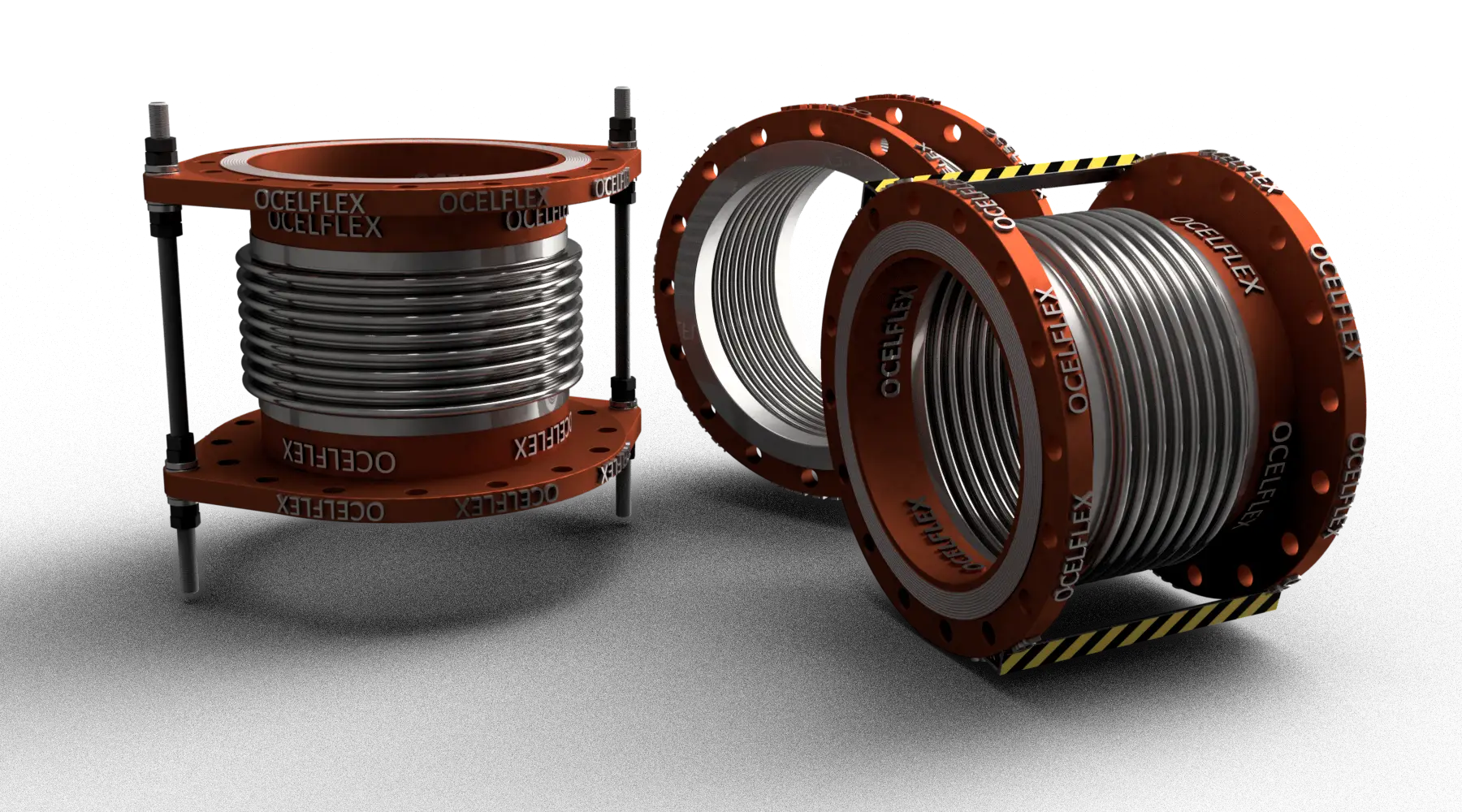
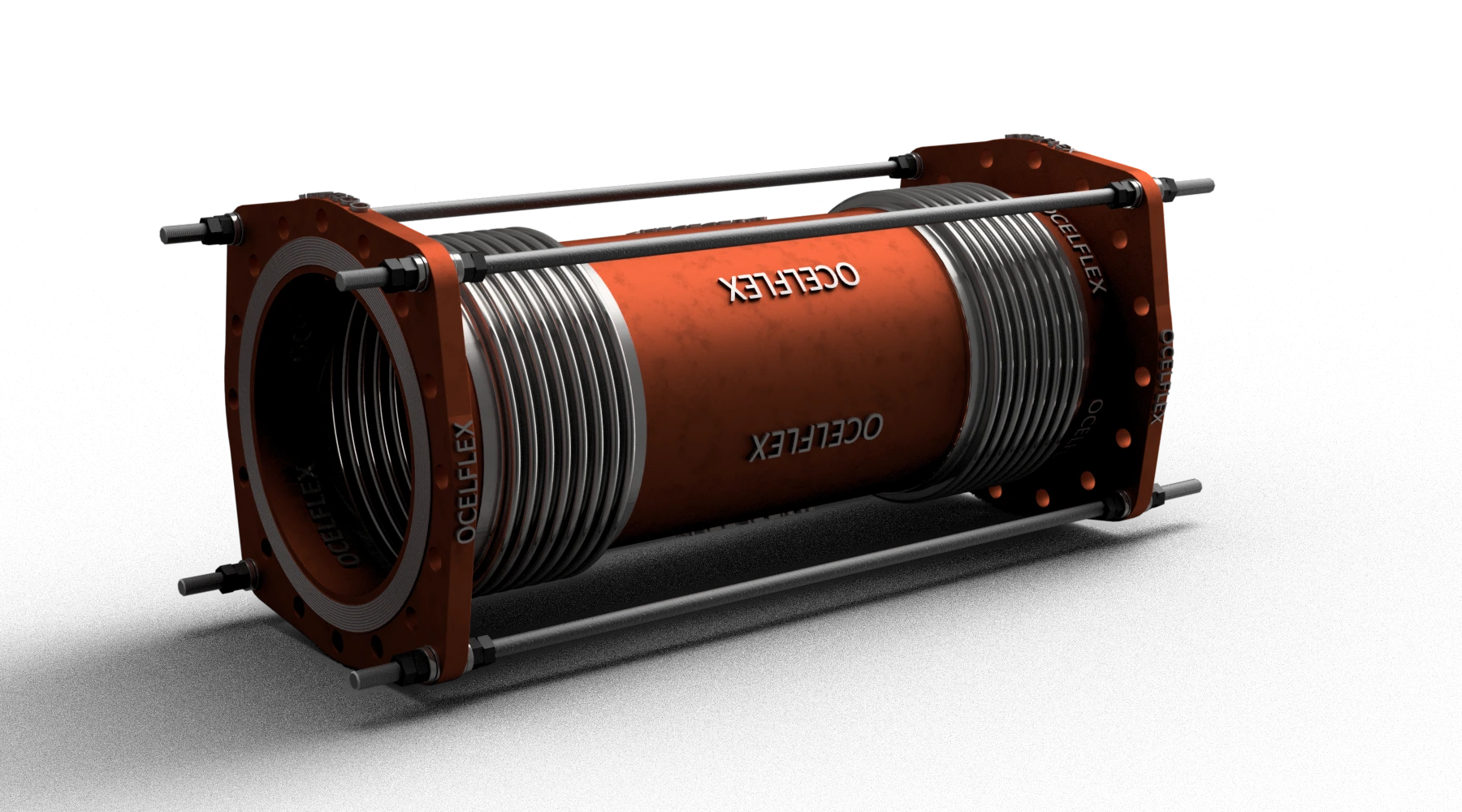
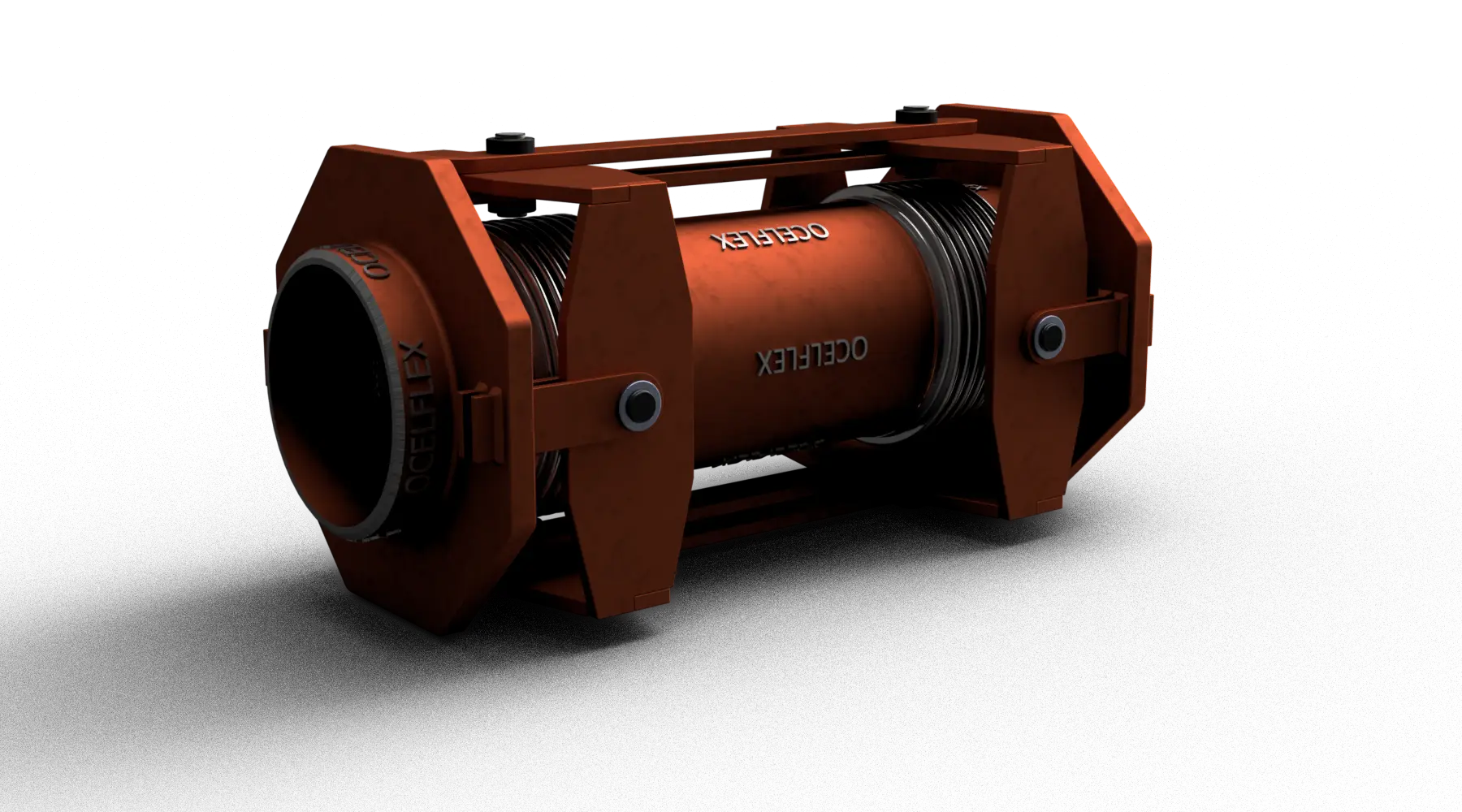
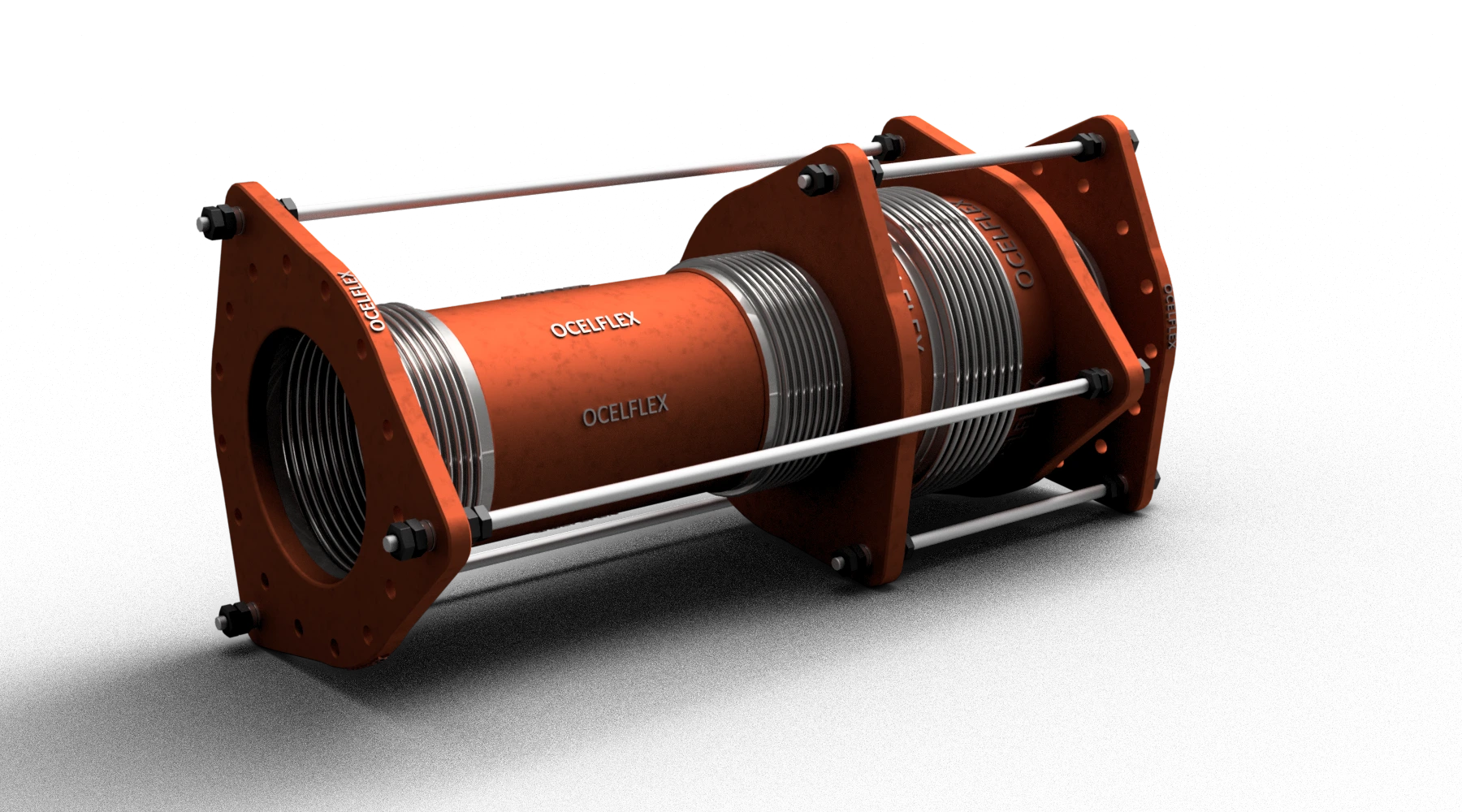
INNOVATIVE METAL EXPANSION JOINT SOLUTIONS FOR MONOETHYLENE GLYCOL PRODUCTION
EXPANSION JOINT SOLUTION FOR KUWAIT'S MEG PROJECTCLIENT REQUIREMENT
The production of monoethylene glycol (MEG) involves a multi-stage process combining gas-phase oxidation, liquid-phase hydration, and multi-effect evaporation followed by distillation. Each of these stages operates under different conditions, which directly influence where metal expansion joints are required and how it must be designed.
A Kuwait-based EPC contractor we have previously collaborated with had approved Ocelflex as the manufacturer for the reactor shell metal expansion joints and the associated heat-integration piping in the Ethylene-to-Ethylene Oxide (EO) front end.
Ethylene oxidation over a silver catalyst takes place in isothermal, fixed-bed tubular reactors — essentially multi-tube, shell-and-tube heat exchanger–type reactors. These typically operate at temperatures between 230 °C and 270 °C and at pressures of around 1–2 MPa.
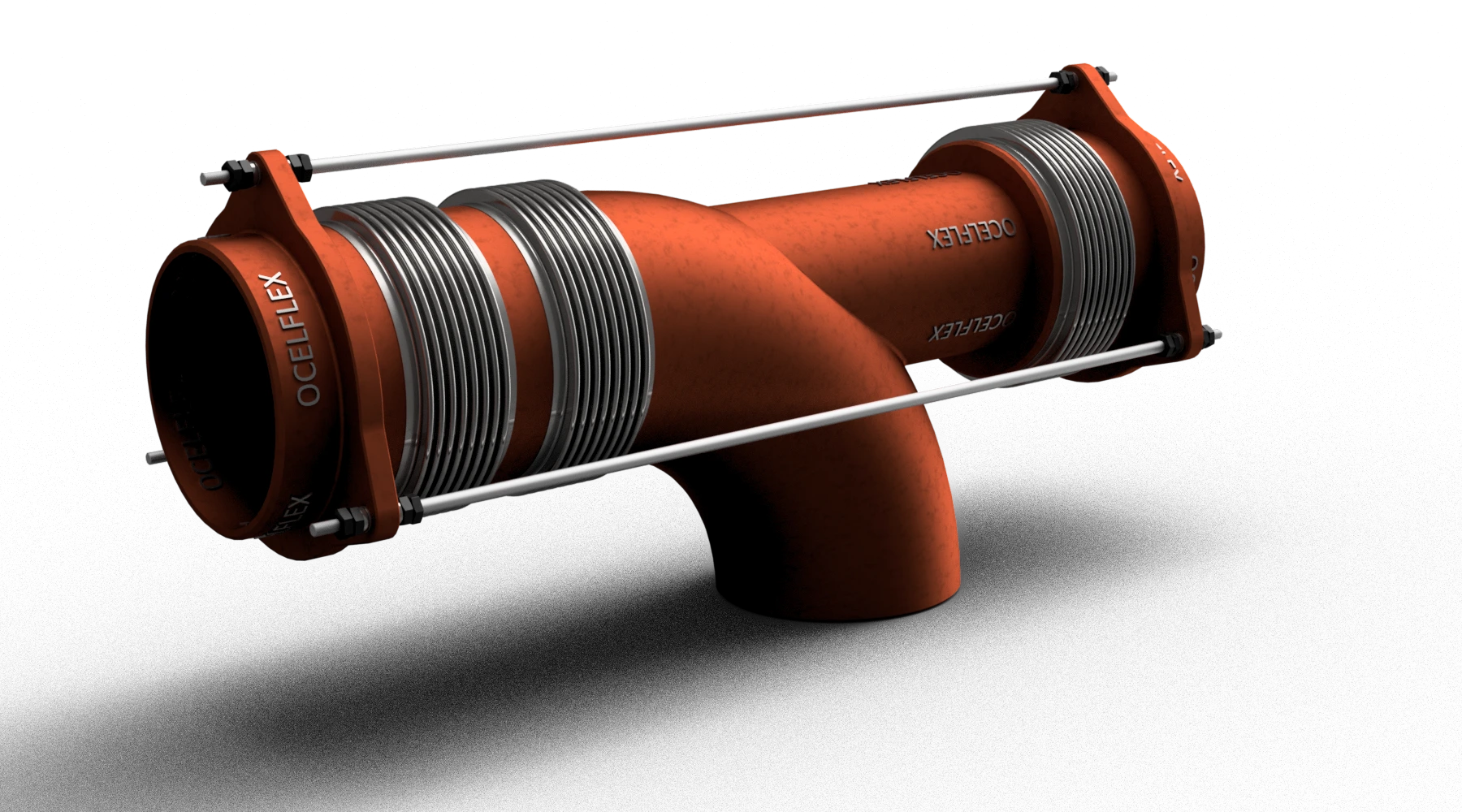
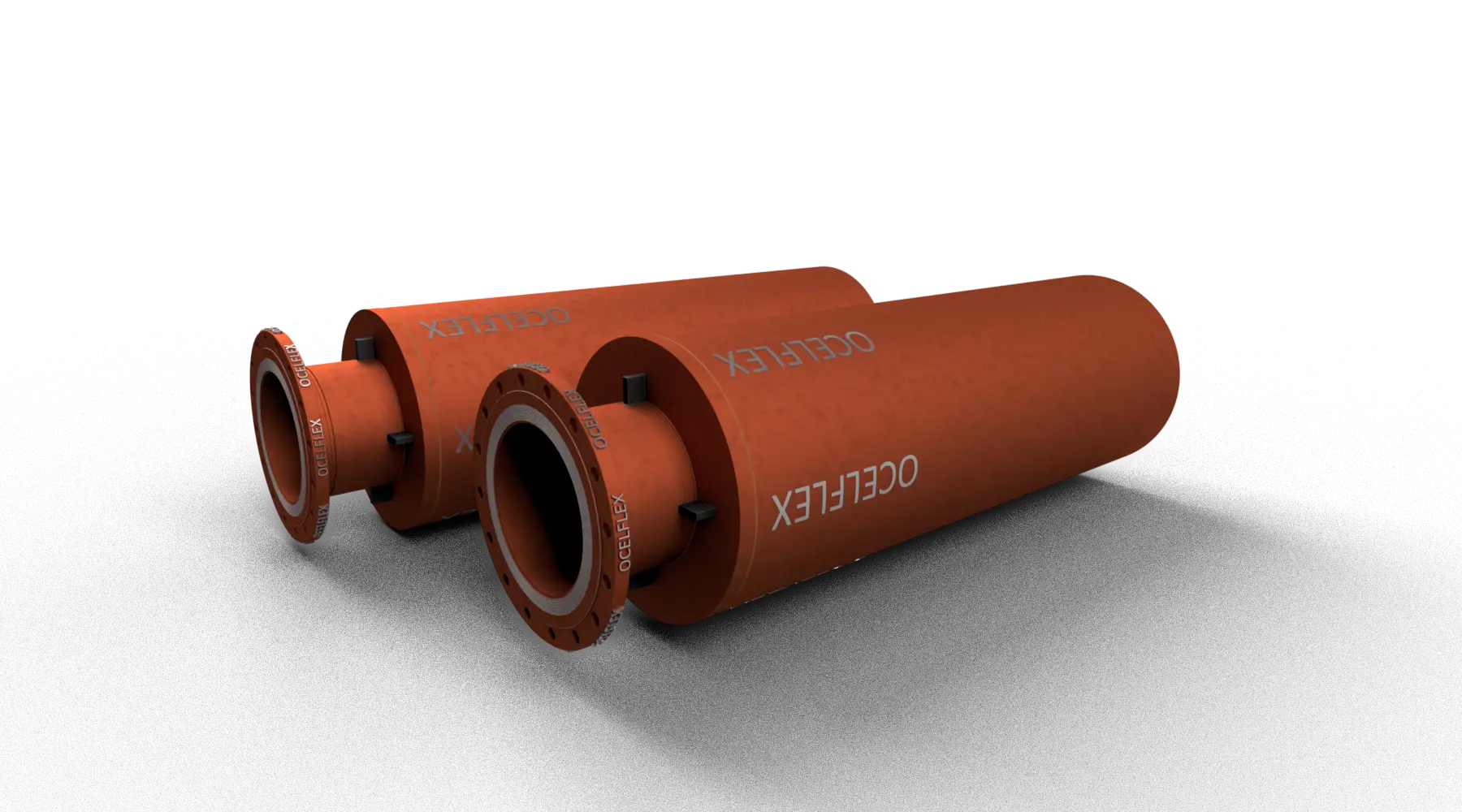
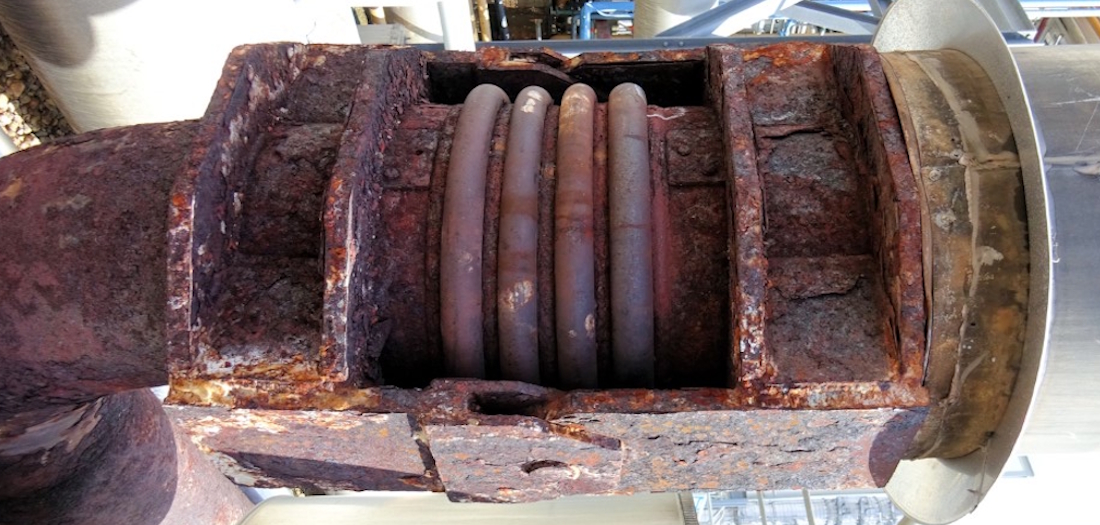
Since the reactor tubes carry hot reacting gases while the shell side contains boiling water or another cooling medium, significant differential thermal expansion occurs between the tube bundle, nozzles, shell, and connected piping. To accommodate these movements and prevent excessive cyclic stresses from being transferred to pressure-retaining components, metal expansion joints are installed in the reactor shell and throughout the heat-integration piping network.
OPERATIONAL CHALLENGES
Ethylene Oxide Processing Hazards
Corrosive Process Environment
High Temperature Operation
Thermal Expansion Management
Pressure and Vacuum Service
Chemical Compatibility
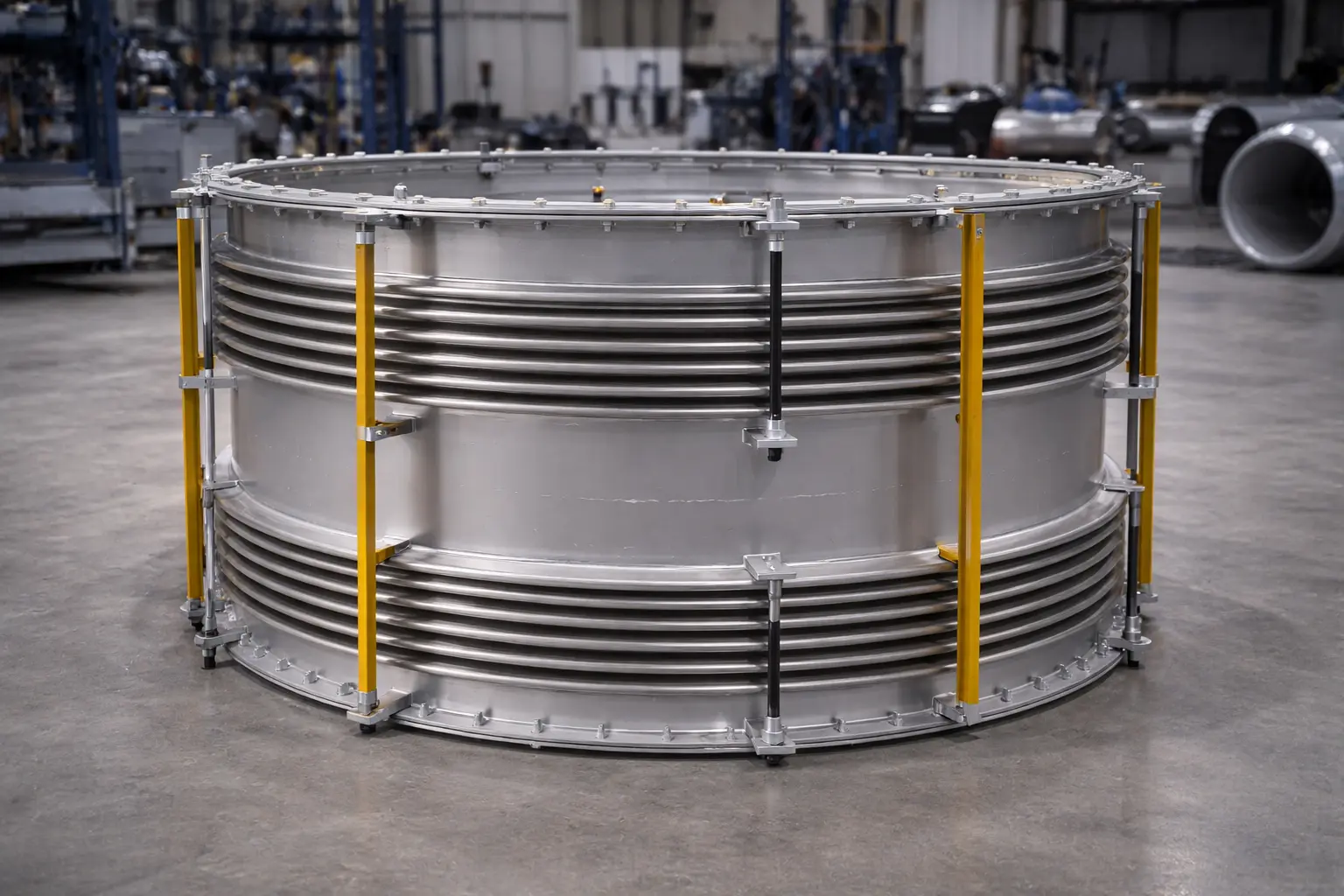
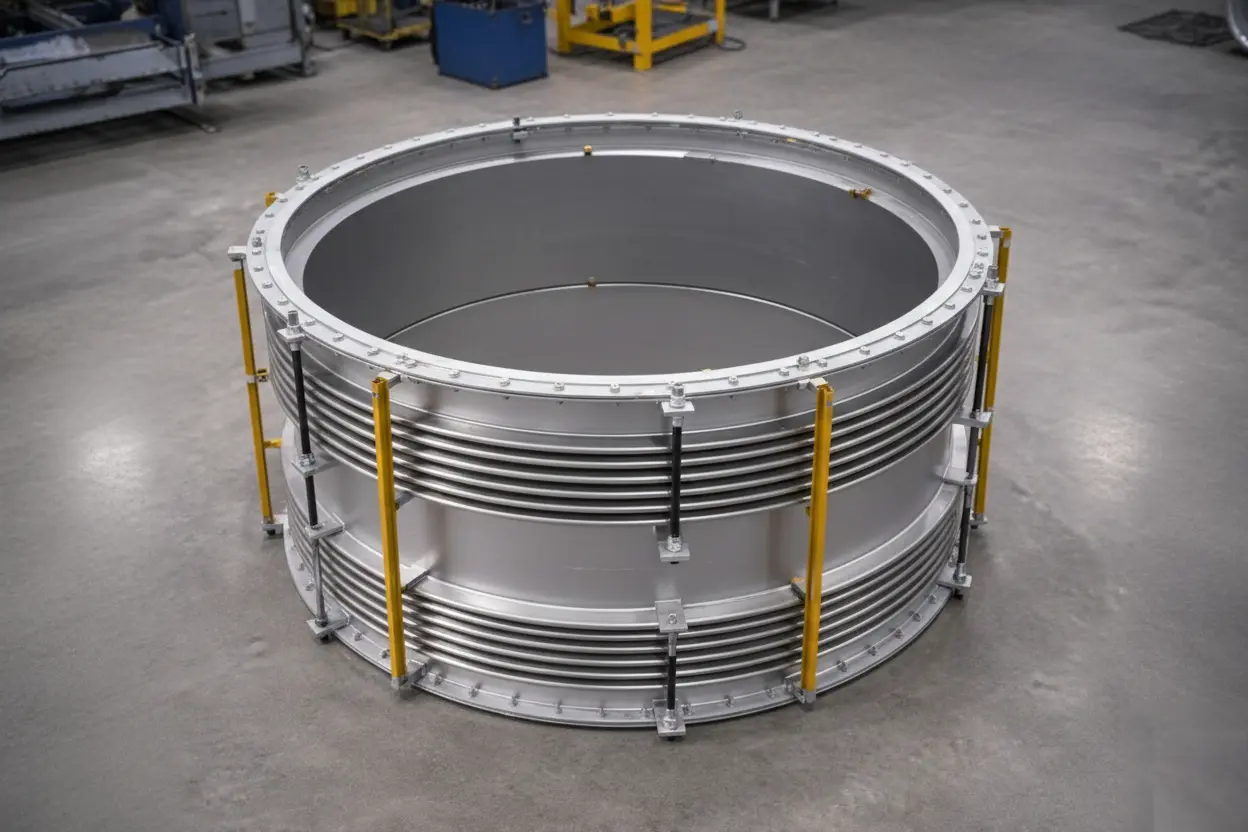
HOW WE DESIGNED THE EXPANSION JOINT
Given the well-known hazards associated with ethylene oxide (EO) processing, Ocelflex designed this metal expansion joint to meet stringent functional and safety requirements typical of EO service.
TECHNICAL SPECIFICATIONS
WHY METAL EXPANSION JOINTS EXCEL IN GLYCOL SERVICE
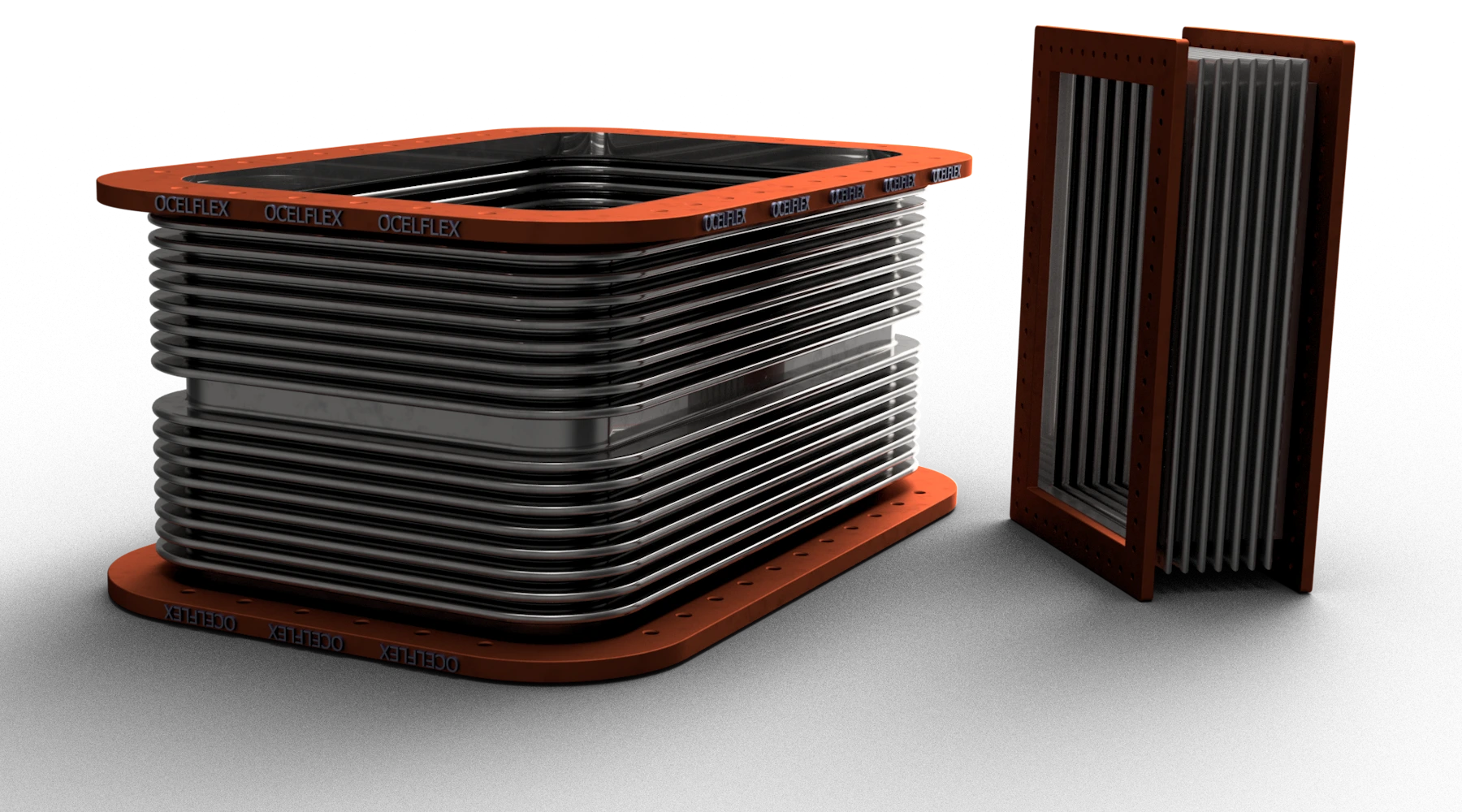
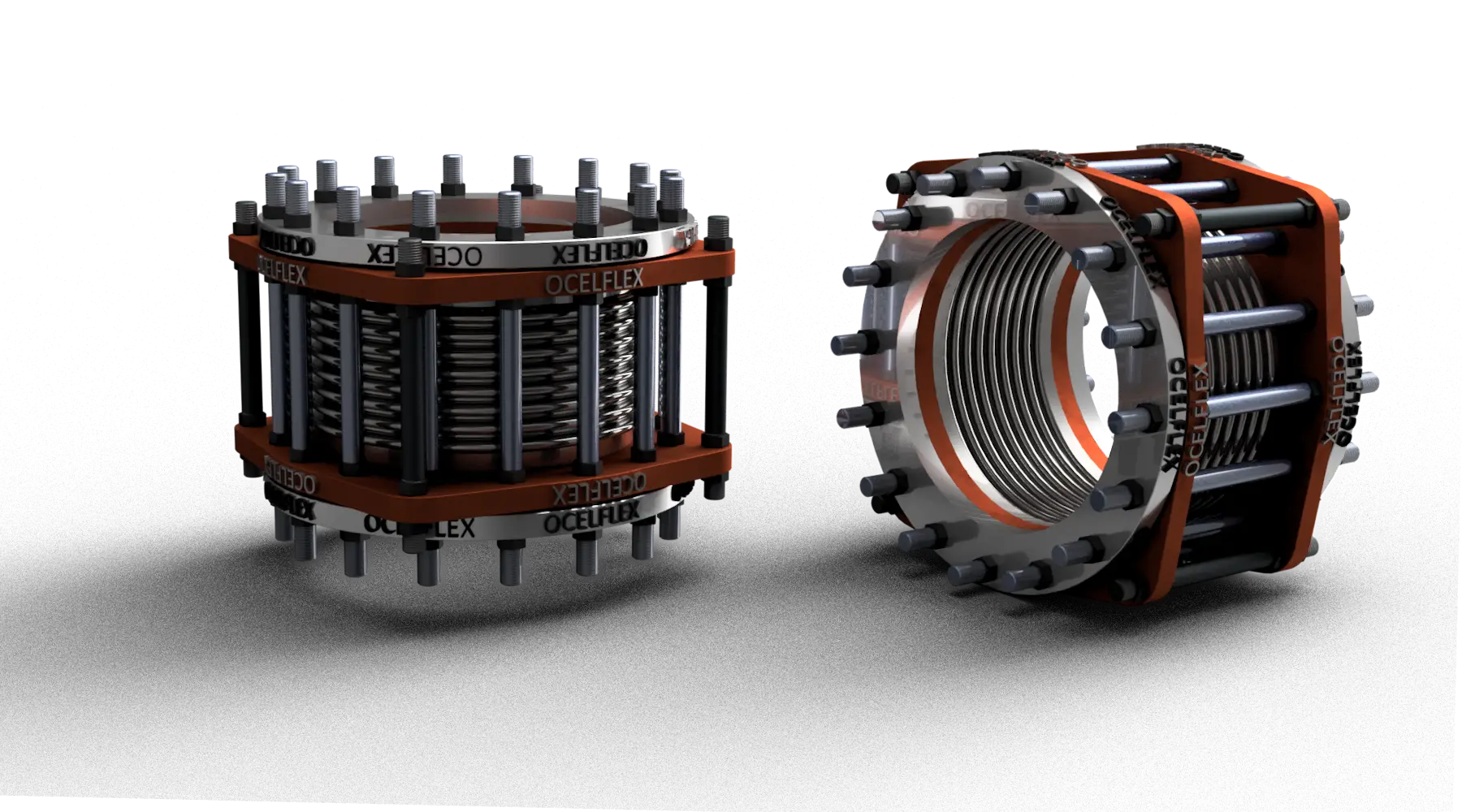
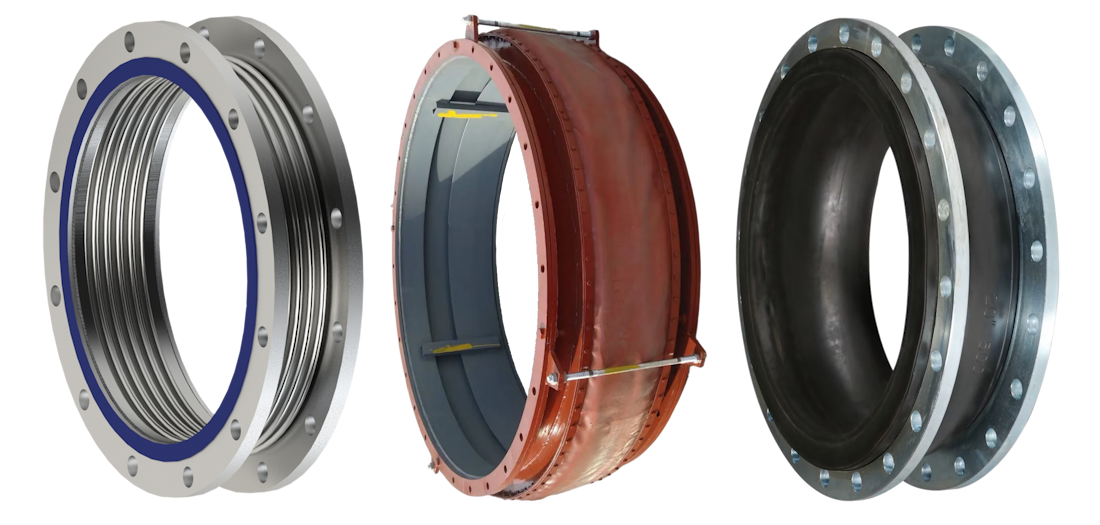
Based on past experience, Ocelflex was approved as the metal expansion joint manufacturer in Kuwait. The corrosive nature of glycol and its degradation by-products, together with operating temperatures that exceed the safe limits of elastomeric materials, makes our metal expansion joint the only reliable solution for this service. Rubber expansion joints are not suitable in these conditions due to thermal ageing, chemical attack, and the risk of sudden failure.
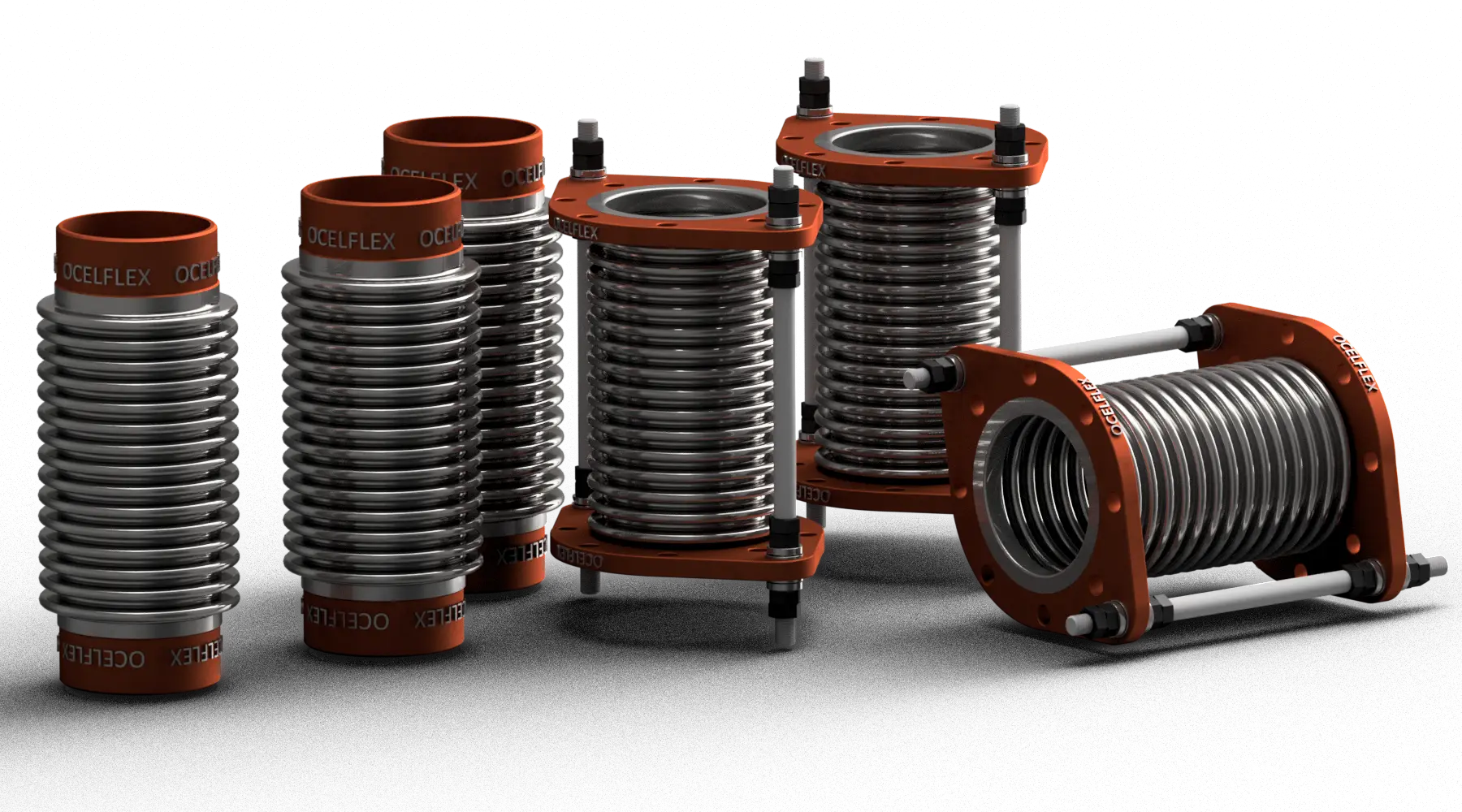
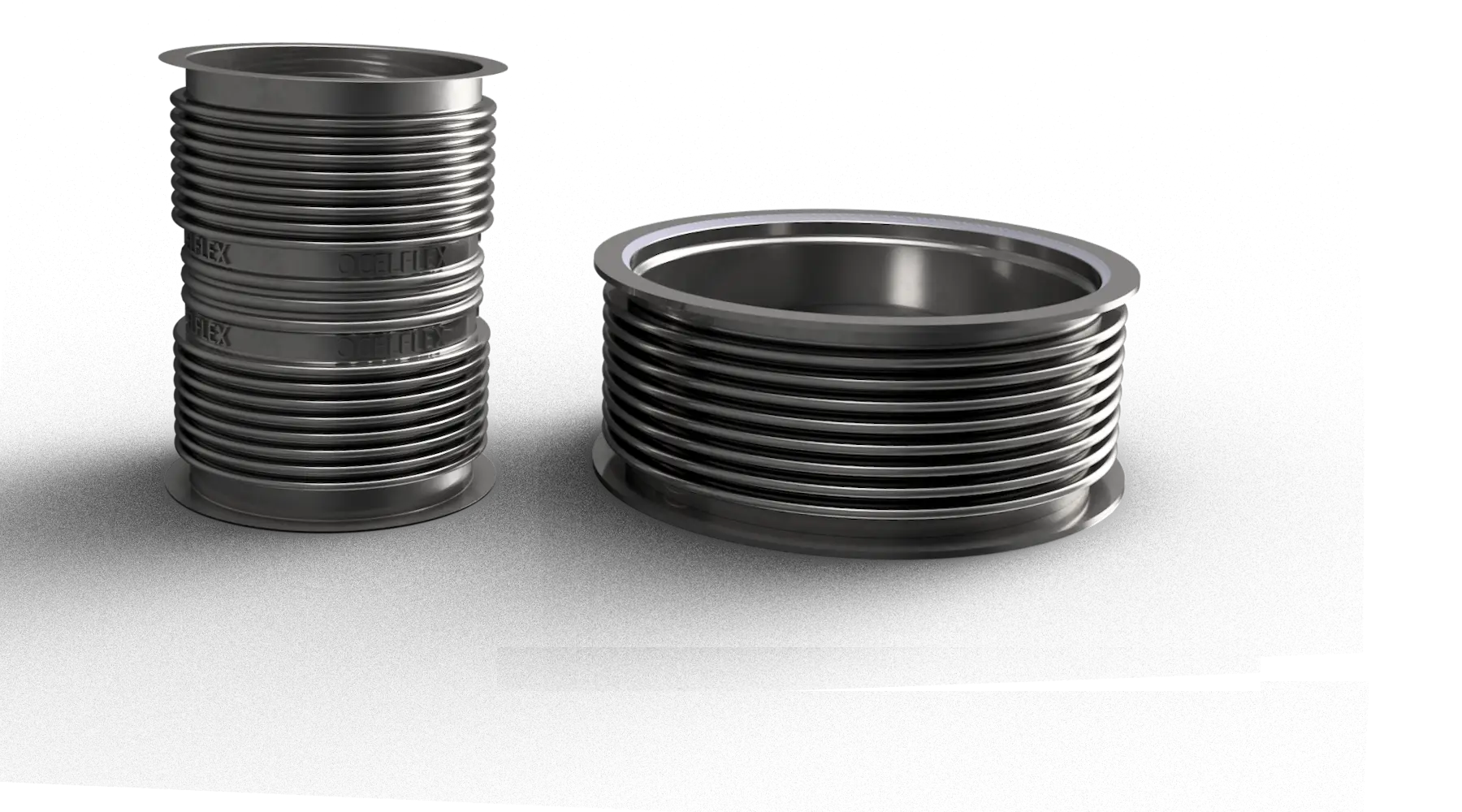
A properly designed metal expansion bellow with an internal liner can safely handle internal flow velocities in the range of 30–40 m/s without risk of flow-induced vibration damage or bellows instability. The liner also protects the bellows convolutions from direct impingement and reduces turbulence within the joint.
Additionally, material selection is equally critical. Duplex stainless steel provides the required mechanical strength while offering improved resistance to organic acids formed during glycol decomposition, as well as better resistance to localized corrosion compared to standard austenitic grades.
The joints are designed in line with ASME B31.3 requirements for chemical plant piping, ensuring suitability for pressure, temperature, and cyclic movement conditions.
Ocelflex's metal expansion joints have proven to be the ideal solution for the demanding requirements of monoethylene glycol production. The combination of corrosion resistance, high-temperature capability, and robust safety features has provided the client with a reliable, safe, and efficient expansion joint system for their critical reactor and heat-integration piping.