Metal Expansion Joints and Bellows

Projects

CUSTOMISED METAL EXPANSION JOINT FOR TEMPERATURE STABILITY IN CRITICAL APPLICATION
JACKETED METAL EXPANSION JOINT

Jacketed Metal Expansion Joint for Asphalt System

CLIENT REQUIREMENT AND APPROACH

The project involved the design of a jacketed metal expansion joint for an asphalt piping system, as specified by a client in Qatar, to operate reliably under high-temperature and high-viscosity service conditions.

In asphalt handling systems, overall reliability is strongly influenced by the temperature-dependent rheological characteristics of the medium. Asphalt exhibits inherently high internal friction, and its viscosity increases sharply with even small reductions in temperature. This sensitivity can result in reduced flowability and progressive solidification within the piping network, particularly in areas exposed to heat loss, stagnant flow, or uneven temperature distribution.

This behavior leads to clogging and material buildup within the convolutions of a metal expansion joint. Due to the corrugated geometry of the bellows, these profiles act as localized pockets where high-viscosity asphalt can accumulate during low-flow operation, system shutdowns, or periods of non-uniform heating.

Once solidification occurs, the metal expansion bellows progressively lose their designed flexibility and are no longer able to accommodate axial, lateral, or angular movements within the piping system. This restriction of movement causes stresses to concentrate at the metal expansion bellows roots and convolution valleys, significantly accelerating fatigue damage. Over time, this condition leads to premature cracking and eventual rupture of the metal expansion bellows, with the metal expansion joint effectively behaving as a rigid pipe section rather than a flexible element.

ENGINEERING INSIGHT

A conventional metal expansion joint fitted with external insulation may appear adequate; however, insulation serves only as a passive measure by reducing the rate of heat loss. It does not provide active thermal input to maintain the temperature or physical state of the process medium during extended shutdowns or low-flow conditions.

As a result, the preferred engineering solution is a metal expansion joint configuration capable of actively introducing thermal energy, ensuring that the asphalt remains above its critical viscosity threshold at all times. While the observed failure mode is mechanical in nature, the underlying cause is fundamentally thermal, making temperature control a primary design consideration for reliable long-term performance.


OUR ENGINEERING APPROACH

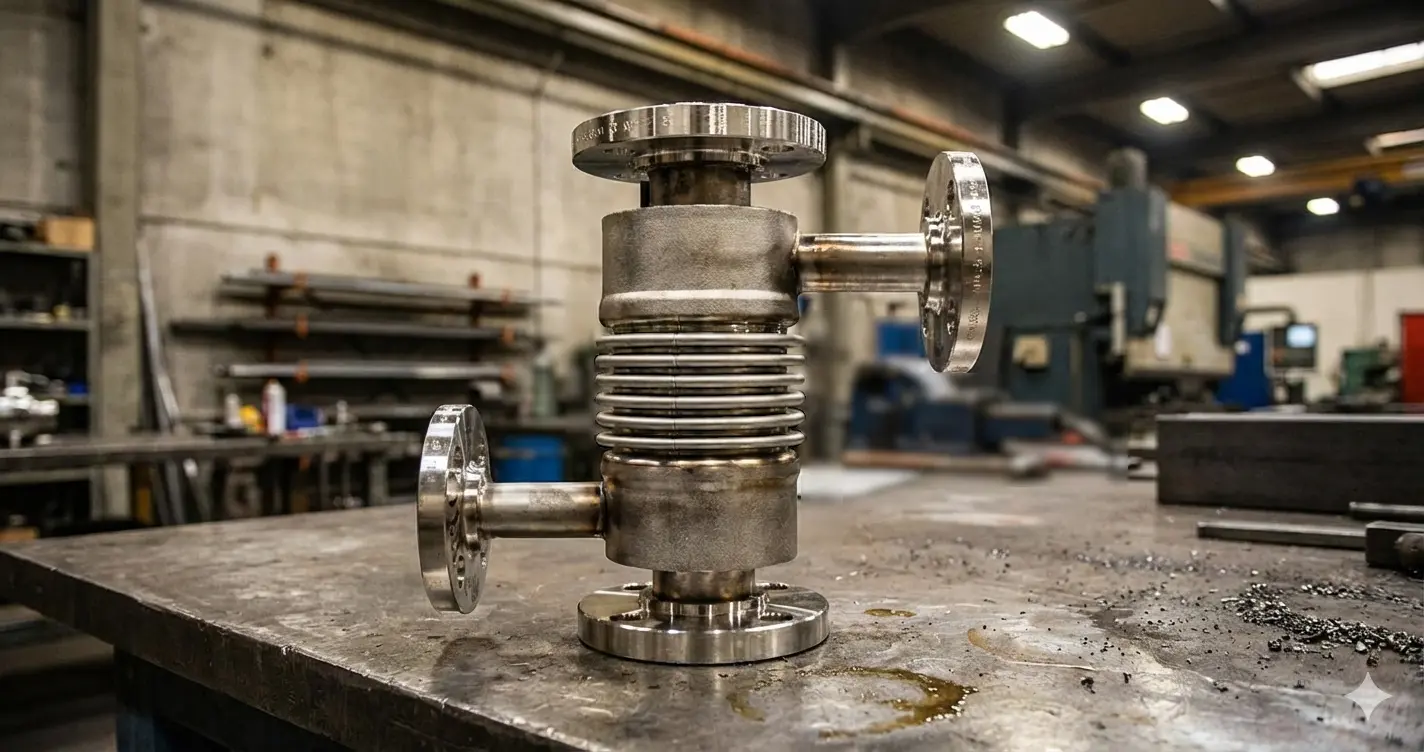
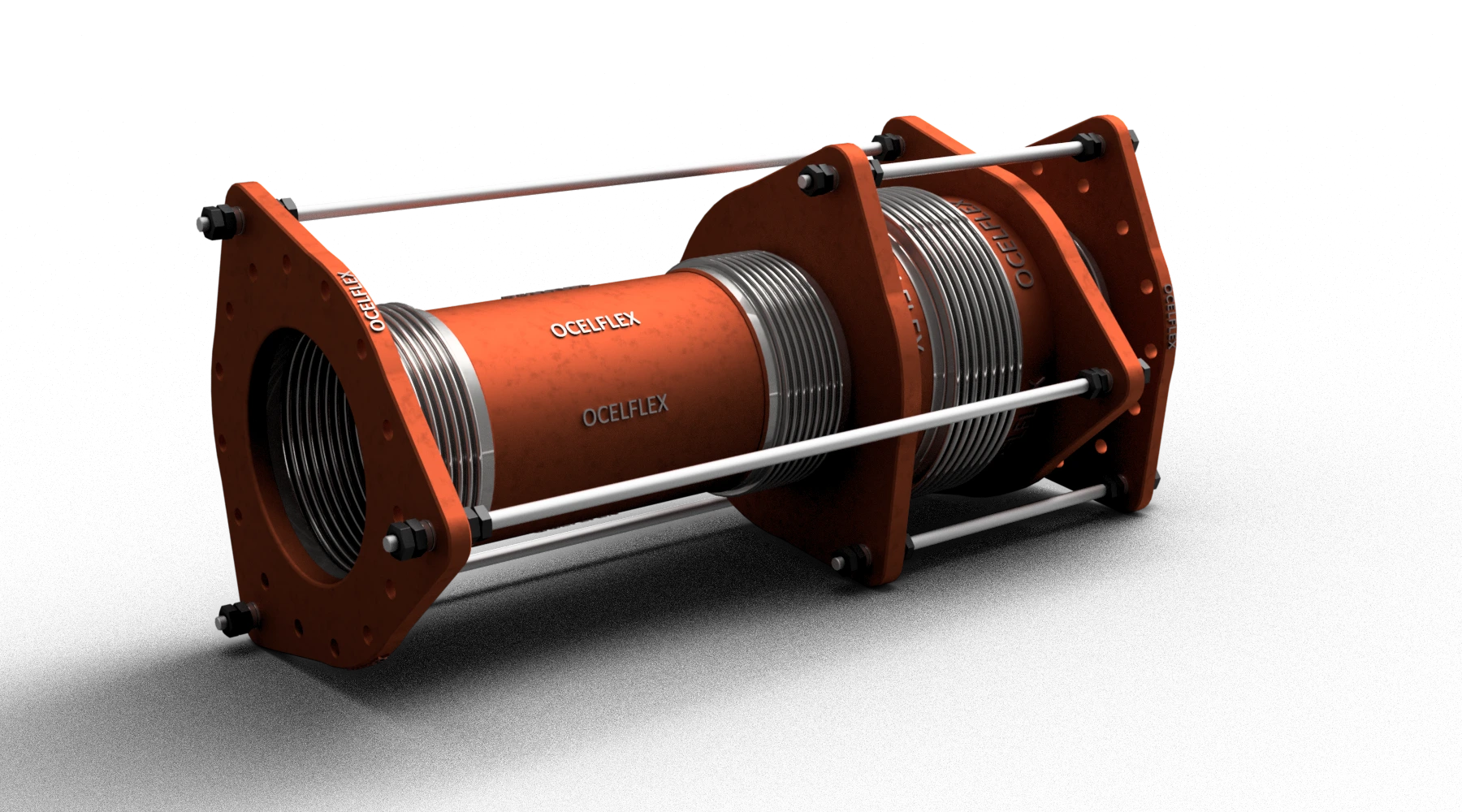
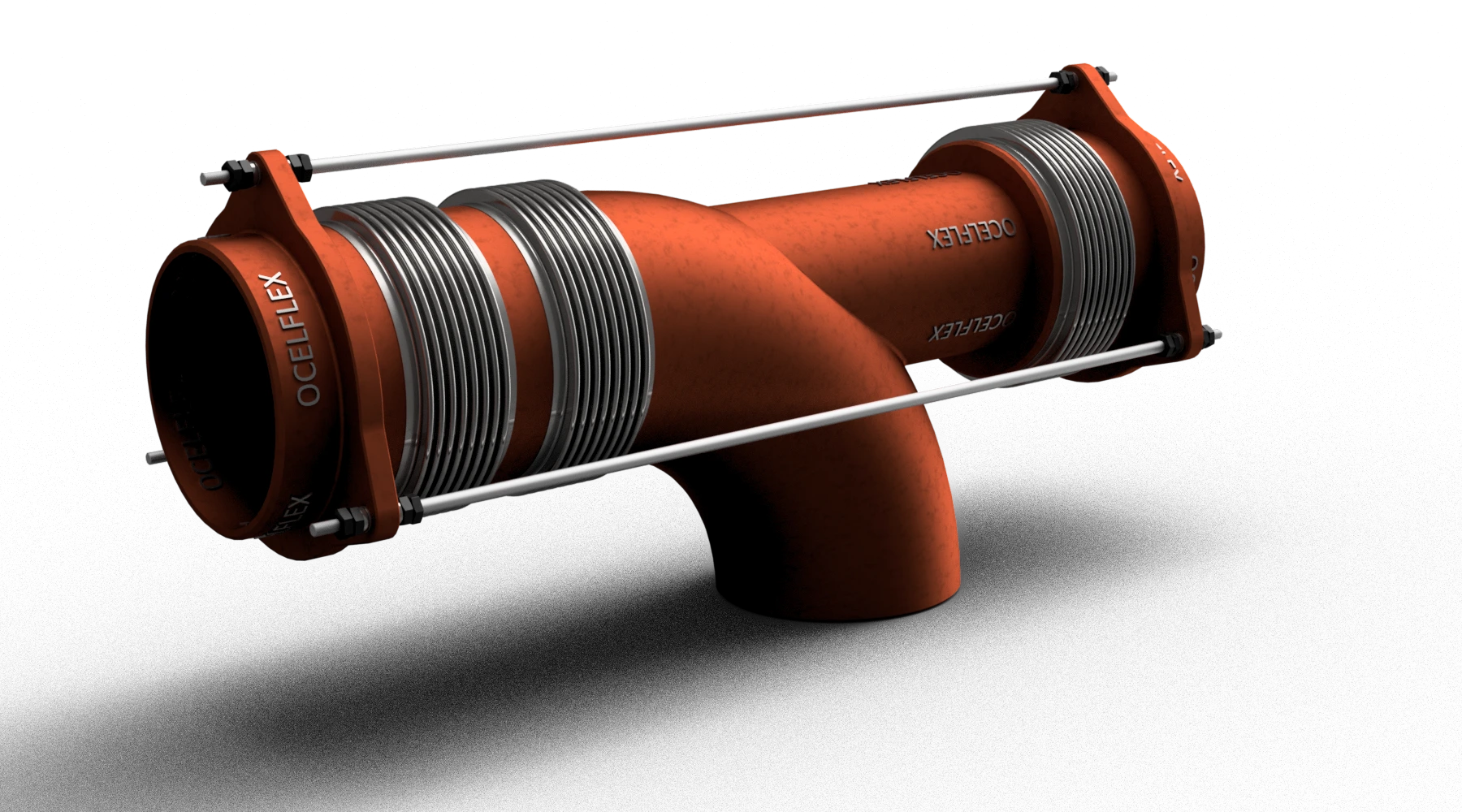
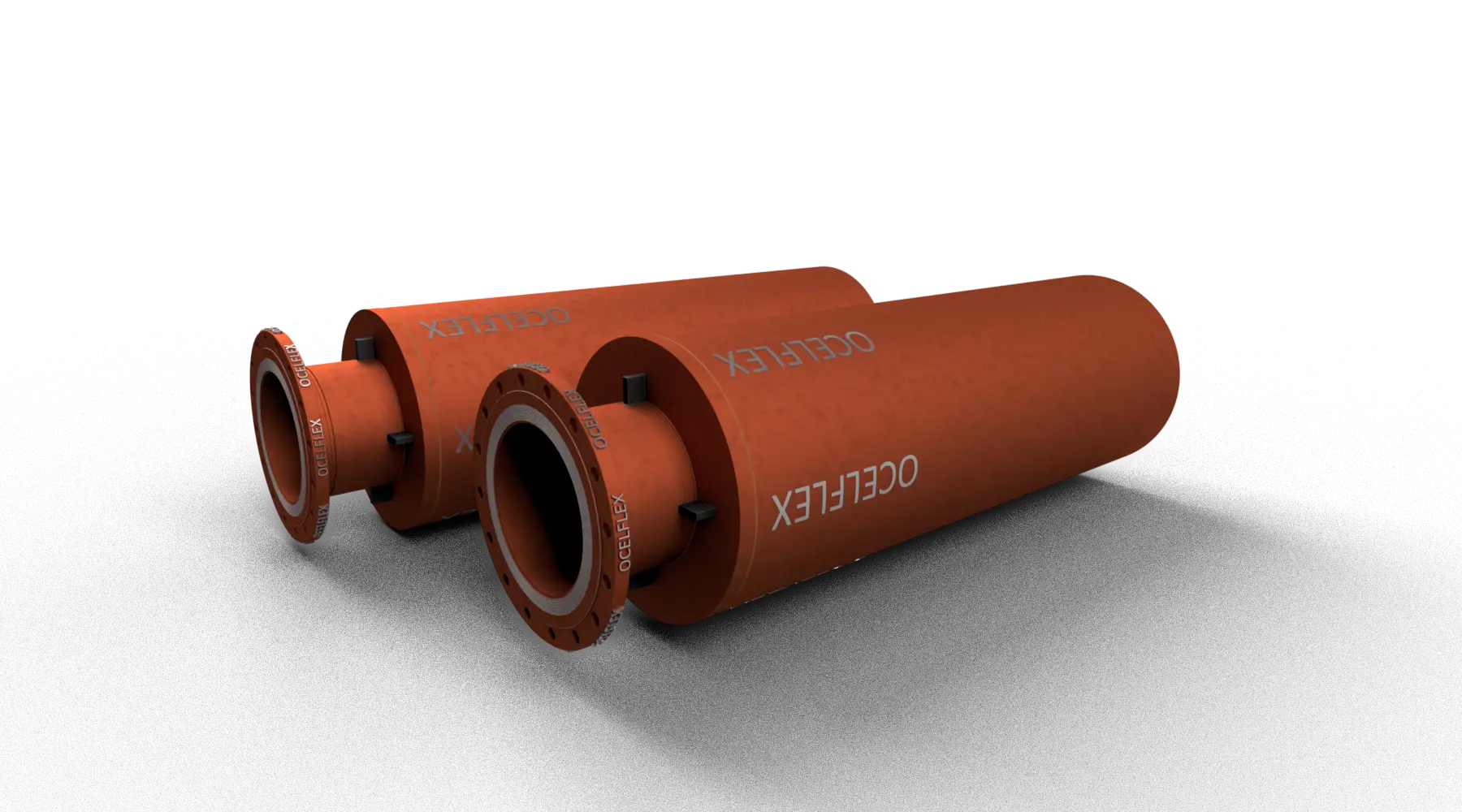
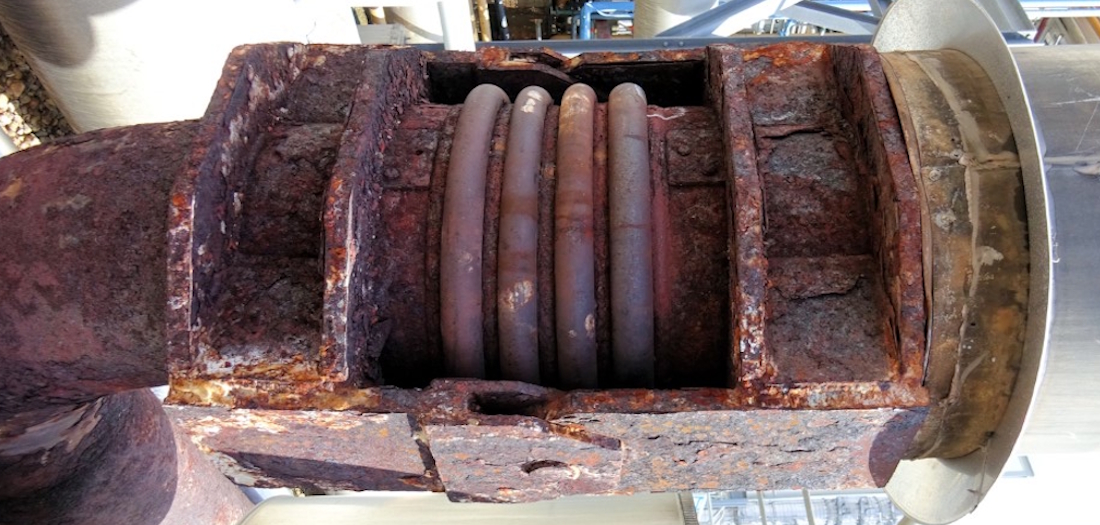
A jacketed metal expansion joint comprises an inner metal expansion bellows enclosed within a larger-diameter outer metallic expansion joint, forming a dual-wall construction. This arrangement is specifically applied in asphalt and bitumen handling systems, where controlled heat input is essential to maintain material flowability and ensure reliable long-term operation.

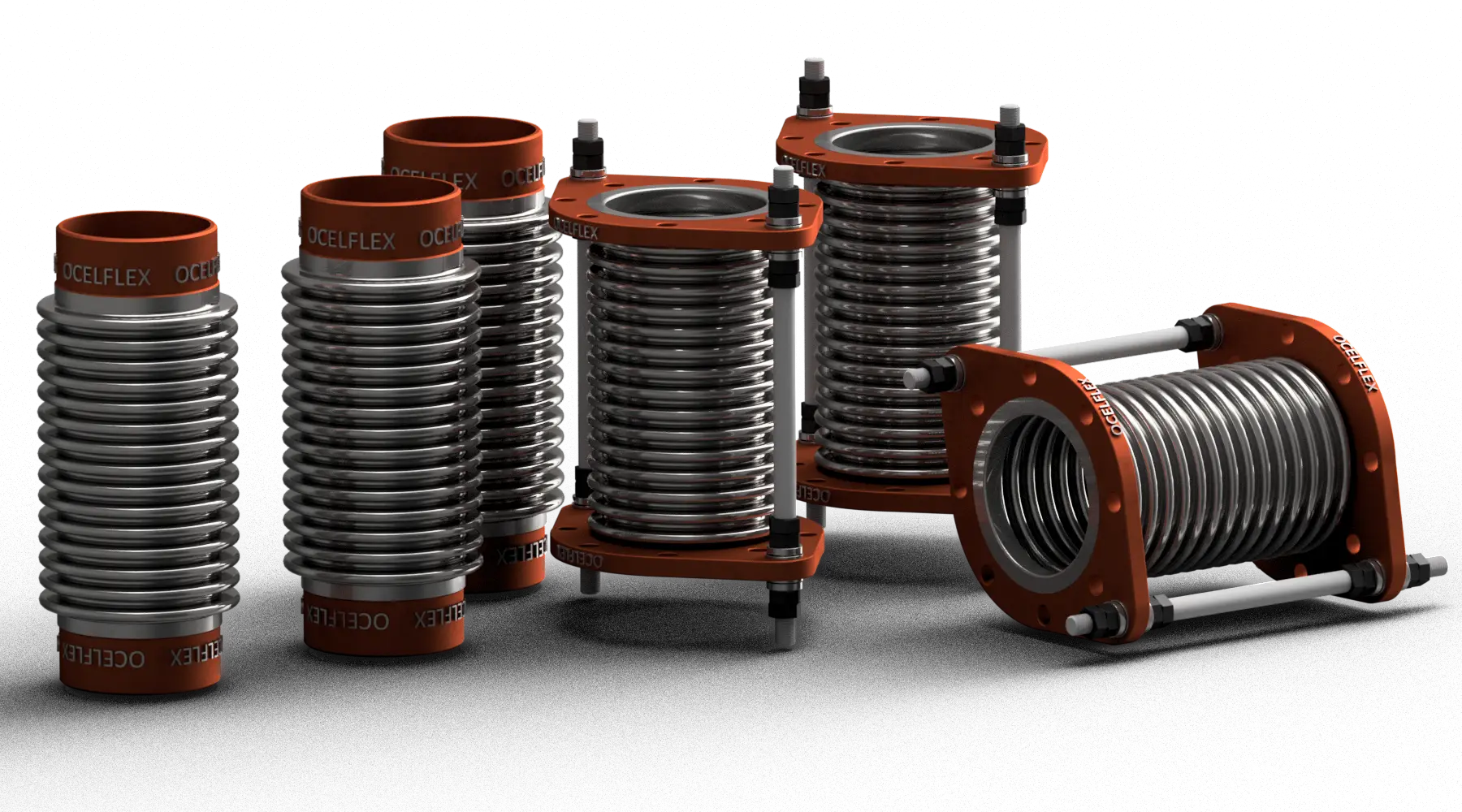
For this application, the metal expansion joint was engineered with a multi-convolution, heavy-ply stainless steel bellows capable of withstanding elevated operating temperatures, internal pressure, and repeated thermal cycling characteristic of asphalt service.

DESIGN PARAMETERS

Metal Expansion Bellows Configuration

Multi-convolution, thick-ply formed bellows

Material of Construction

Stainless Steel 316Ti, selected for its stability at elevated temperatures and improved resistance to thermal fatigue

Design Temperature

220 °C (operating)

Design Pressure

10 bar

Process Inner Medium (Inner Metal Expansion Joint)

Asphalt (Bitumen)

Heating Medium (Outer Metal Expansion Joint)

Hot oil

Metal Expansion Joint Design Standard

EJMA

FUNCTIONAL DESCRIPTION

Inner Metal Expansion Joint:

The inner metal expansion bellows conveys the asphalt and accommodates axial, lateral, and angular movements arising from thermal expansion, equipment misalignment, and operational loading within the piping system. The bellows geometry and ply thickness were selected to balance movement capability with fatigue resistance under cyclic thermal conditions.

Outer Metal Expansion Joint:

The outer metal expansion joint functions as an active heating cover, through which hot oil is circulated to maintain the asphalt above its critical viscosity threshold. The outer expansion joint is provided with dedicated inlet and outlet nozzles / fittings positioned diametrically opposite (180° apart) to promote uniform circumferential heat transfer and minimize temperature gradients across the inner metal expansion bellows.

In addition to thermal control, the outer jacket serves a secondary safety function. Although asphalt is not highly volatile, leakage at elevated temperatures poses significant burn risk and operational hazards. The outer expansion bellow acts as a containment barrier, allowing any leakage from the primary bellows to be safely contained and managed, thereby improving overall system safety and maintainability.

RESULTS AND BENEFITS

Following installation, operators were able to actively regulate the asphalt temperature within the metal expansion joint, resulting in stable operation and satisfactory in-service performance.

In asphalt handling systems, expansion joint reliability is governed more by effective temperature management than by pressure rating or movement capability alone. The tendency of asphalt to thicken and solidify within bellows convolutions remains the primary cause of premature failure in conventional, non-heated metal expansion joint designs.

By combining mechanical flexibility with active thermal control, jacketed metal expansion joints effectively eliminate the packing and solidification failure mechanism. For critical asphalt and bitumen services, this configuration represents a technically sound, field-proven, and economically justified solution.


Receive a quote for your requirement of Metal Expansion Joint.

Let our experts help you!
To discuss your hose or expansion joint requirements, complete our convenient form and we'll get in touch with you at the earliest.