INNOVATIVE EXPANSION JOINT SOLUTIONS
metal expansion joints.client requirement.
Ocelflex delivers flexible solutions to a major power plant in West Africa, seeking an urgent expansion joint solutions for their air condenser system ( ACC ).
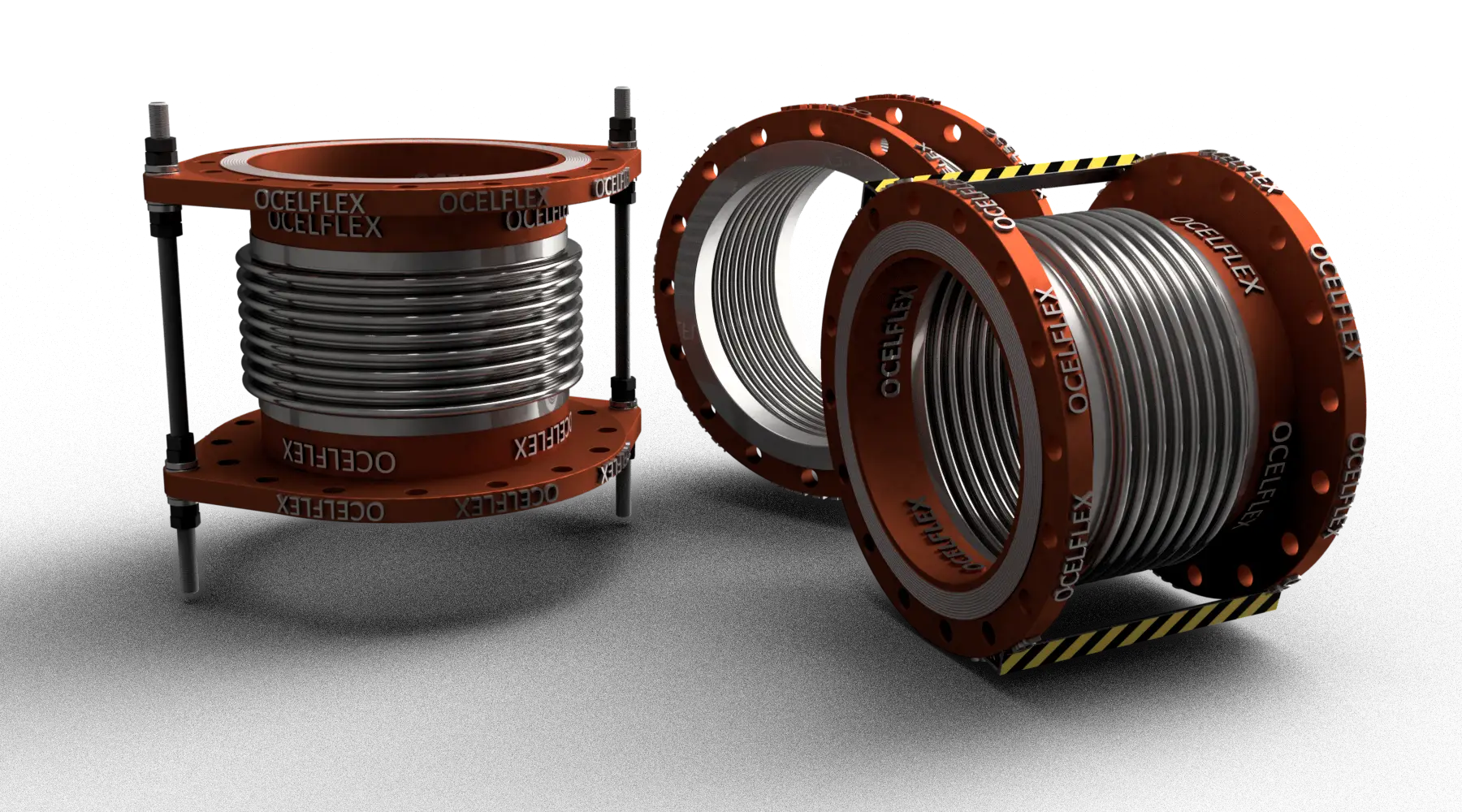
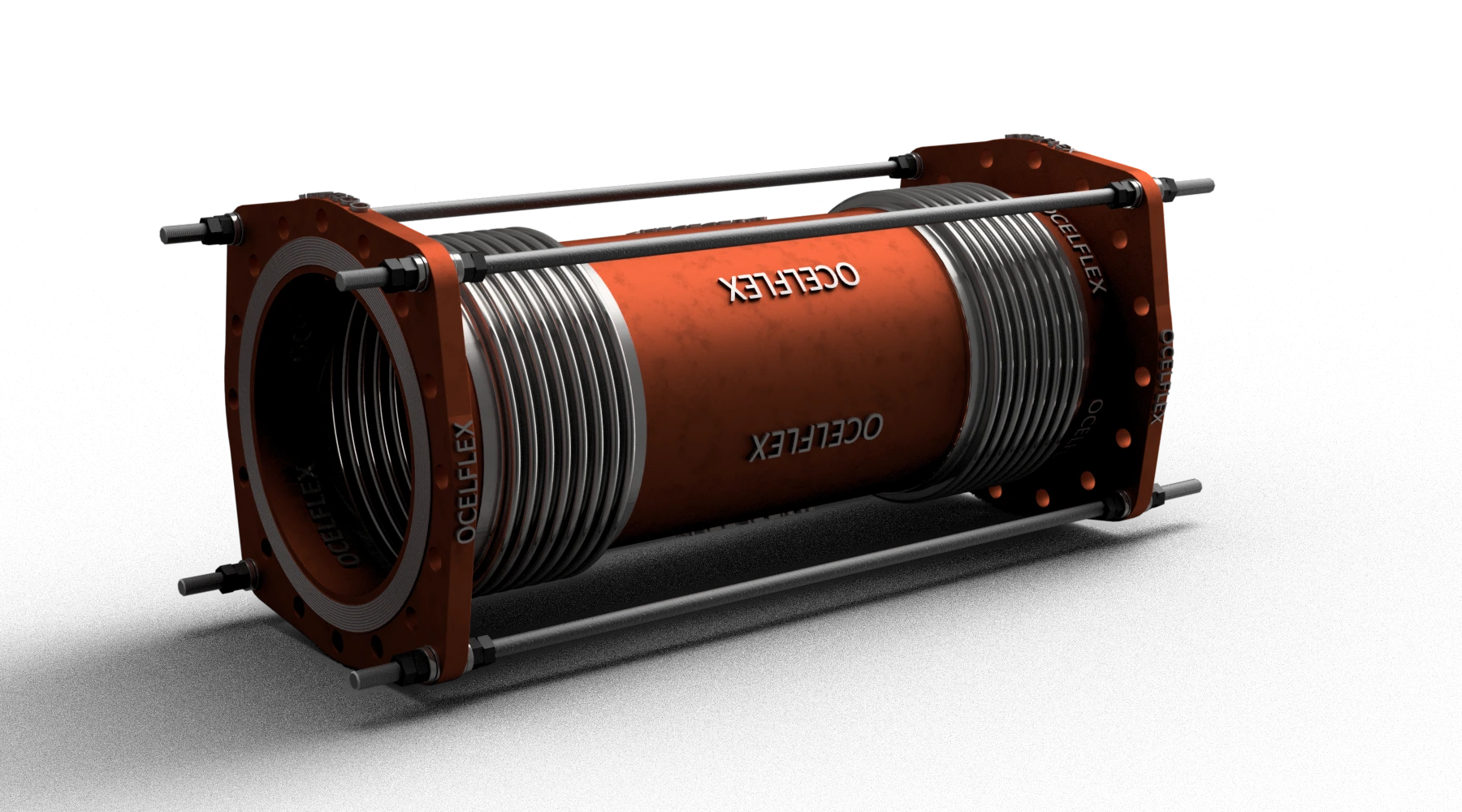
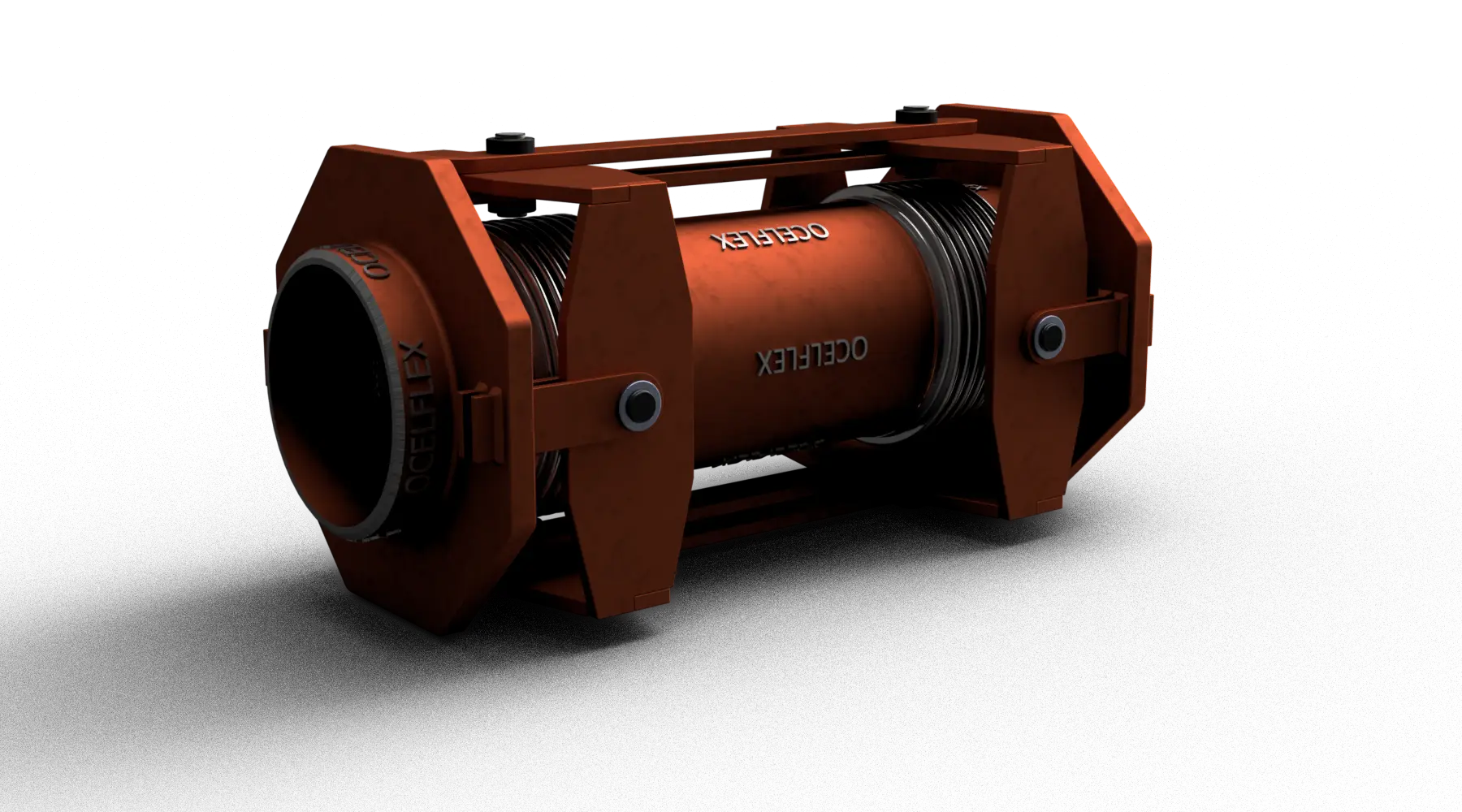
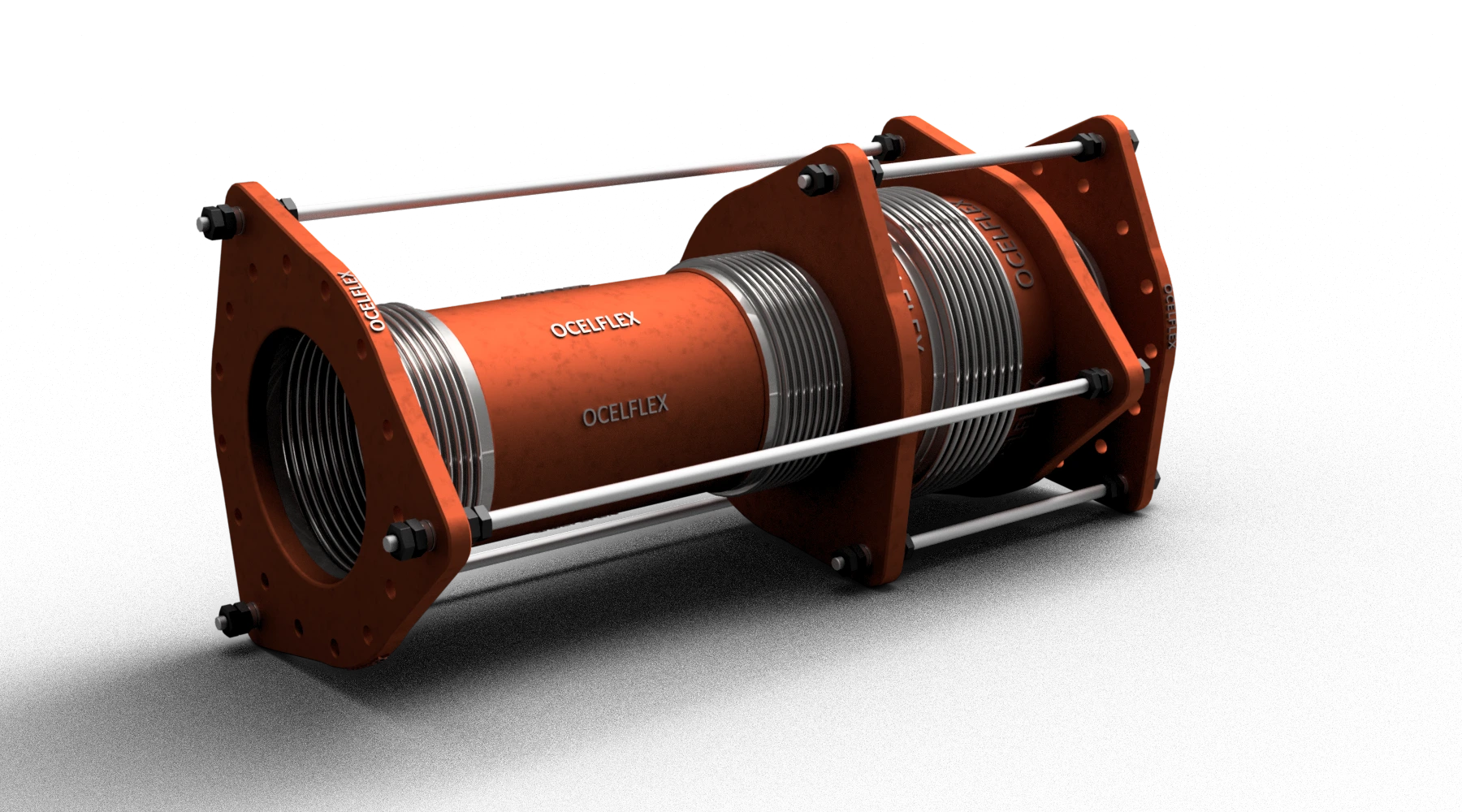
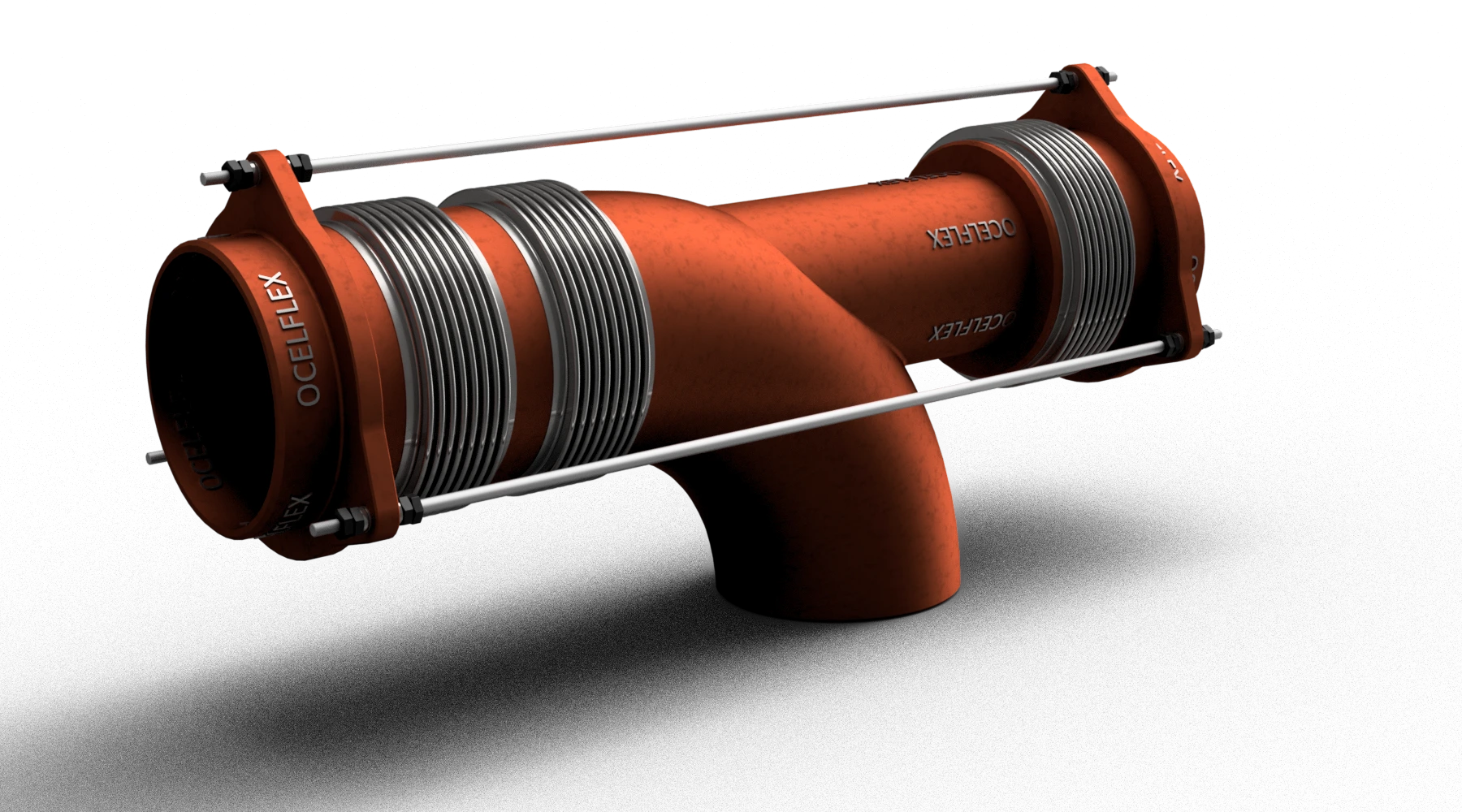
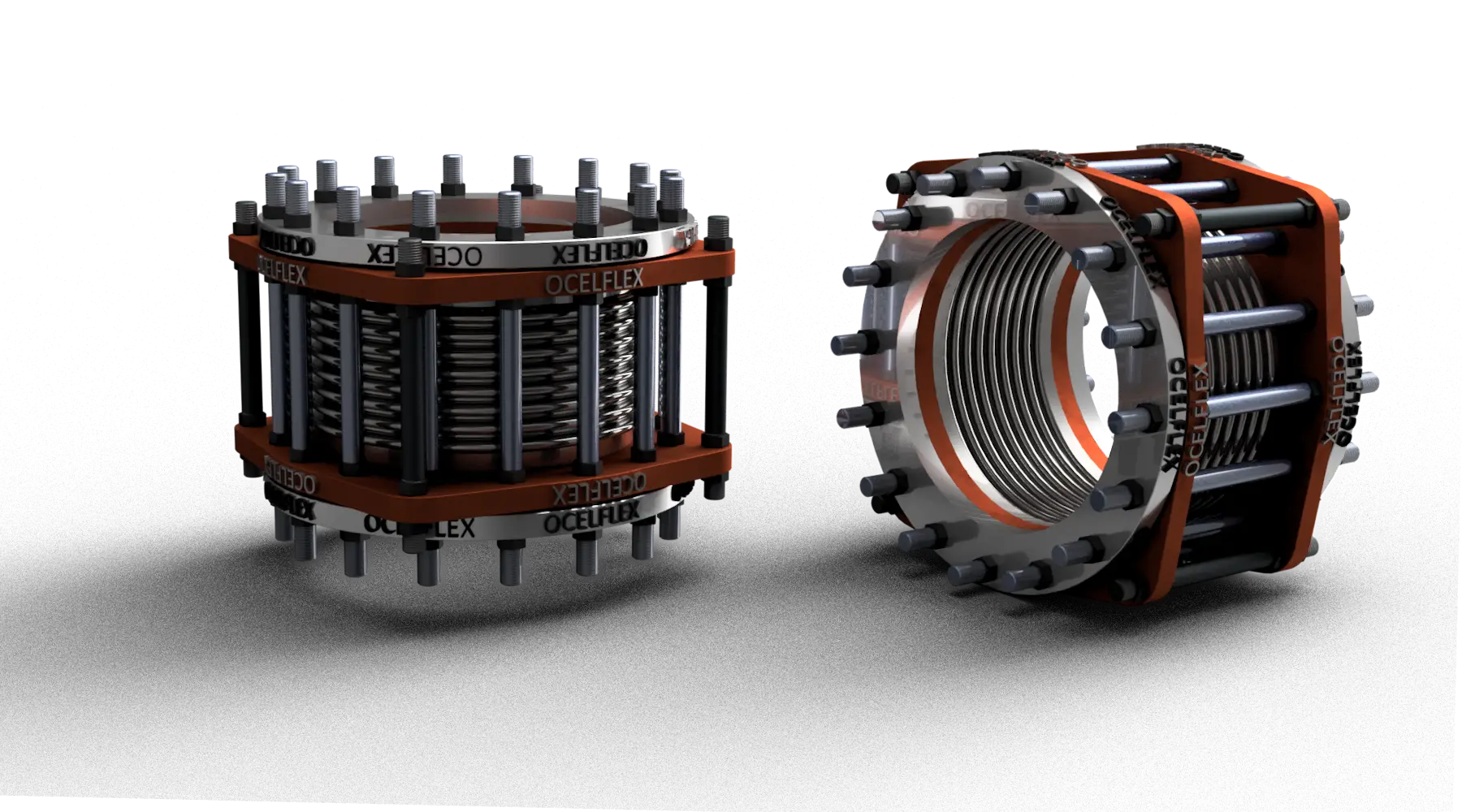
The client required universal tied expansion joints of 48 inch diameter to be installed to handle the thermal movements within the ACC system. The system was under sudden downtime, and they needed an express procurement of the expansion joint to be manufactured and dispatched within 4 working days.
application overview.
In this Power plant’s Air-Cooled Condenser (ACC) system, N-butane was the medium which was passed through the current pipeline system. N-butane requires requires careful consideration due to the unique properties of the fluid. N-butane, a hydrocarbon, is typically used in refrigeration systems and cryogenic applications.
If N-butane is used in an ACC for cooling purposes (such as in refrigeration cycles or in systems using N-butane as a working fluid), expansion joints need to be designed accordingly to absorb thermal movements, pressure changes and reduce mechanical stress.

few design specifications.
Type
Size
Inner Medium
Outer Atmosphere
Installation Position
Operating Temperature
Design Pressure
Humidity
Flow Velocity
Fluid Density
Length
Bellows Material
Design Code
End Fittings
Inner Sleeve Material
External Sleeve Material
Operating Lateral Movement
Allowable Angular Movement
Quantity
manufacturing.
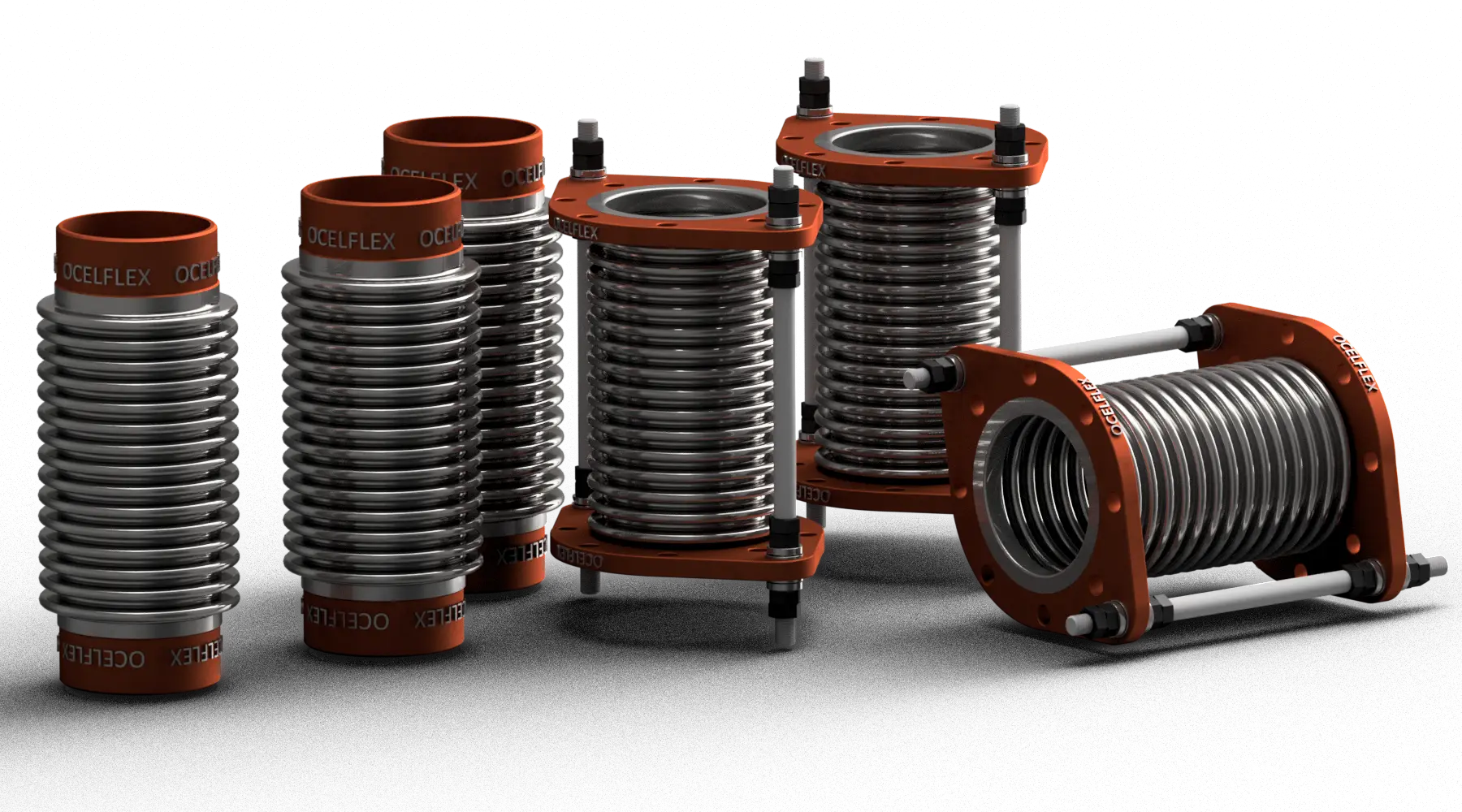
Once the design was approved, our manufacturing team worked tirelessly, operating 24/7, to produce the expansion bellows. Our designers had suggested additional considerations and few changes to help improve the life of the expansion joint, keeping our past experience with a similar project in mind. These were immediately approved by the end user. N-butane, like any working fluid, experiences significant temperature fluctuations throughout its cycle in the Air-Cooled Condenser (ACC). As it undergoes condensation, transitioning between gas and liquid phases, it requires cooling that induces substantial temperature changes.
The pipes, heat exchangers, and other components within the ACC will expand and contract as a result of these temperature variations. Given that N-butane operates across a wide temperature range—from below ambient to high temperatures in specific refrigeration cycles—these system components must be designed to accommodate these thermal stresses without compromising performance or integrity.
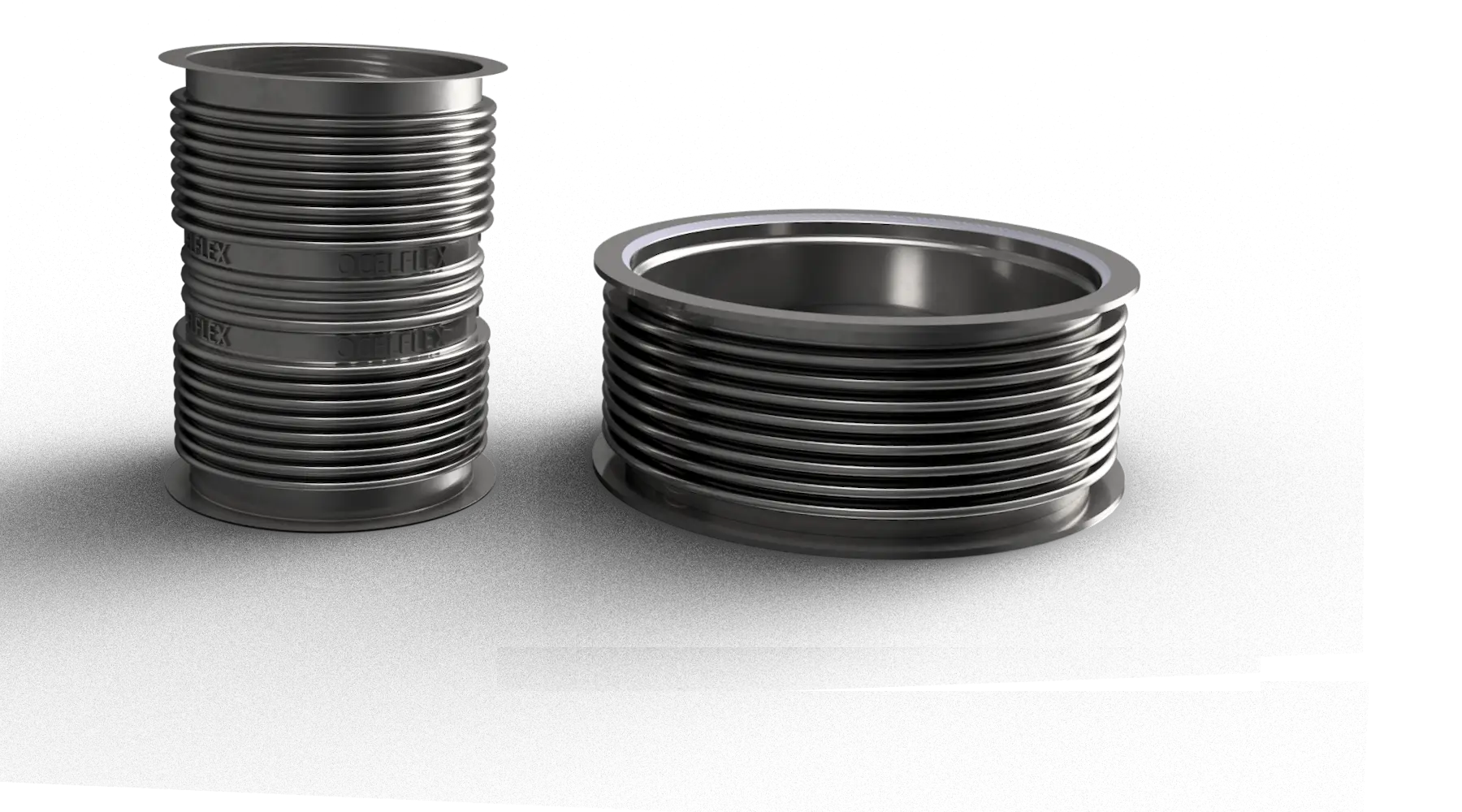
We successfully completed the manufacturing of the expansion bellows within three days, and the subsequent quality assurance checks and final approvals took an additional day. This efficient process ensured that the expansion joints met all the required specifications and were ready for installation on schedule.