Metal Expansion Joints

Projects

INNOVATIVE EXPANSION JOINT SOLUTIONS
metal expansion joints.

client requirement.


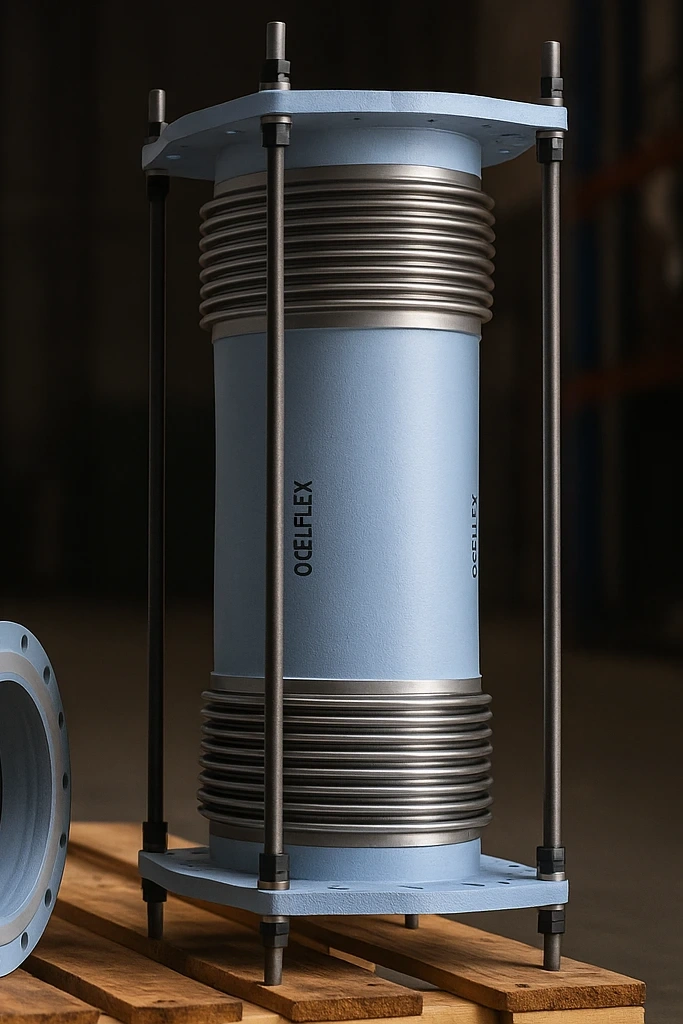
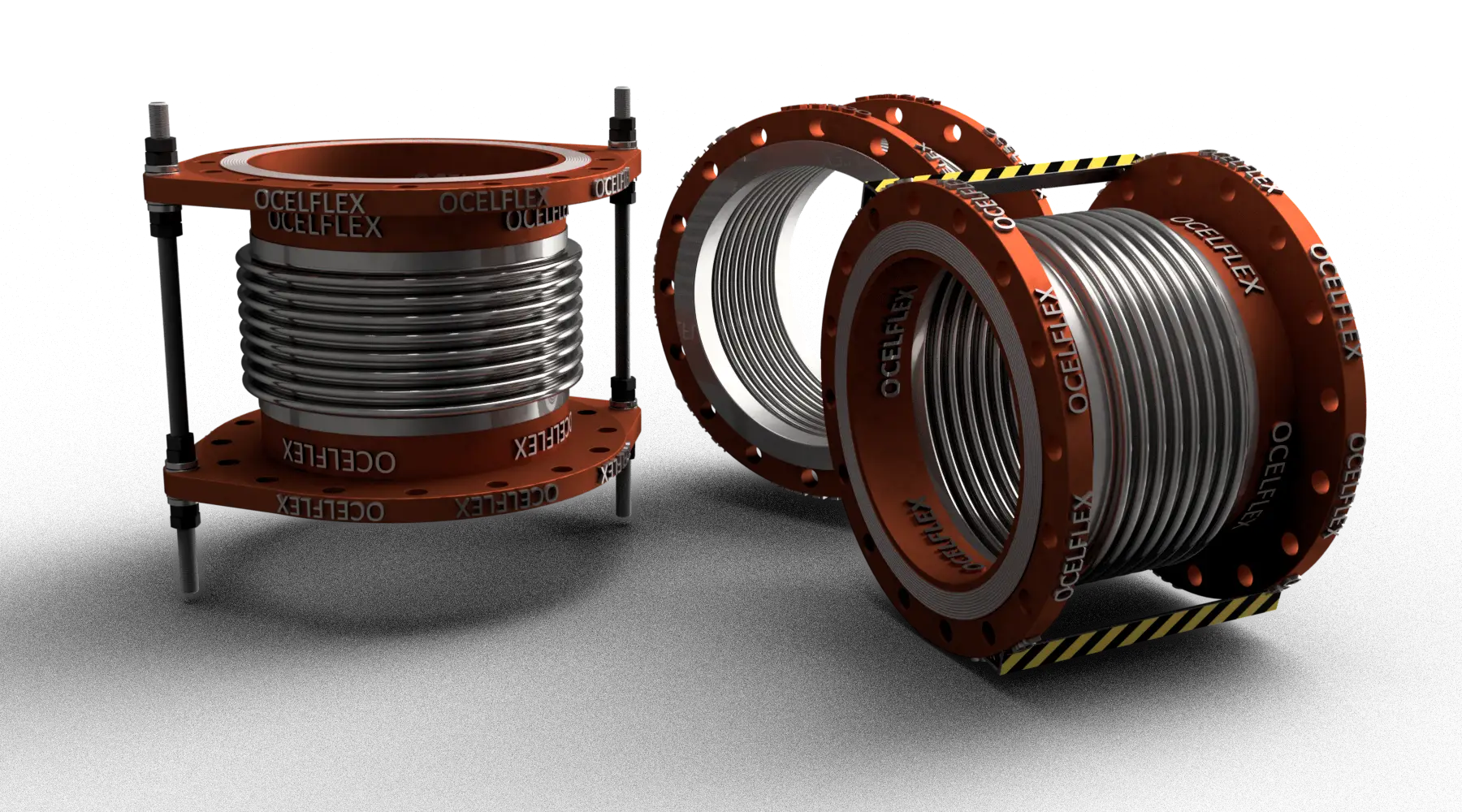
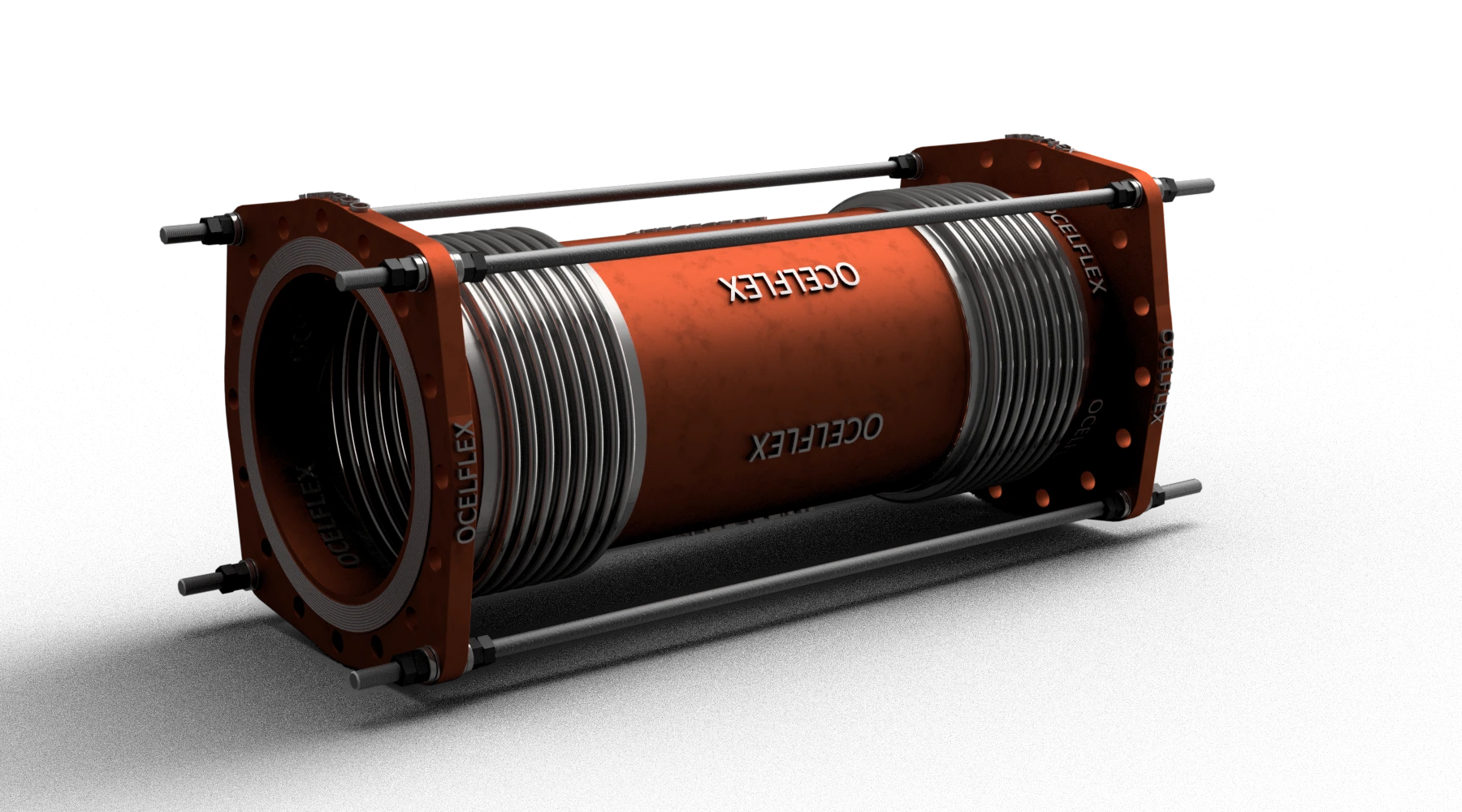
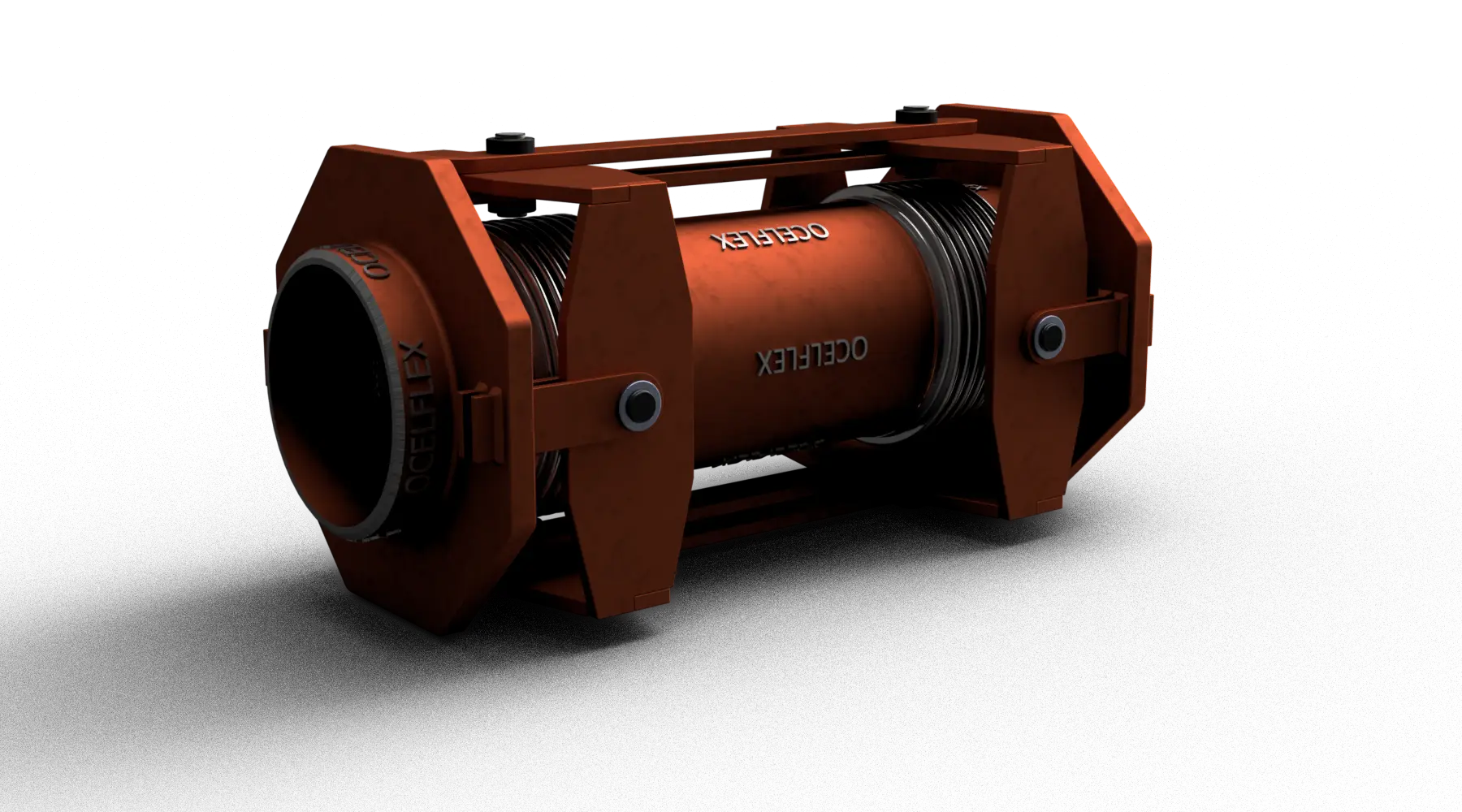
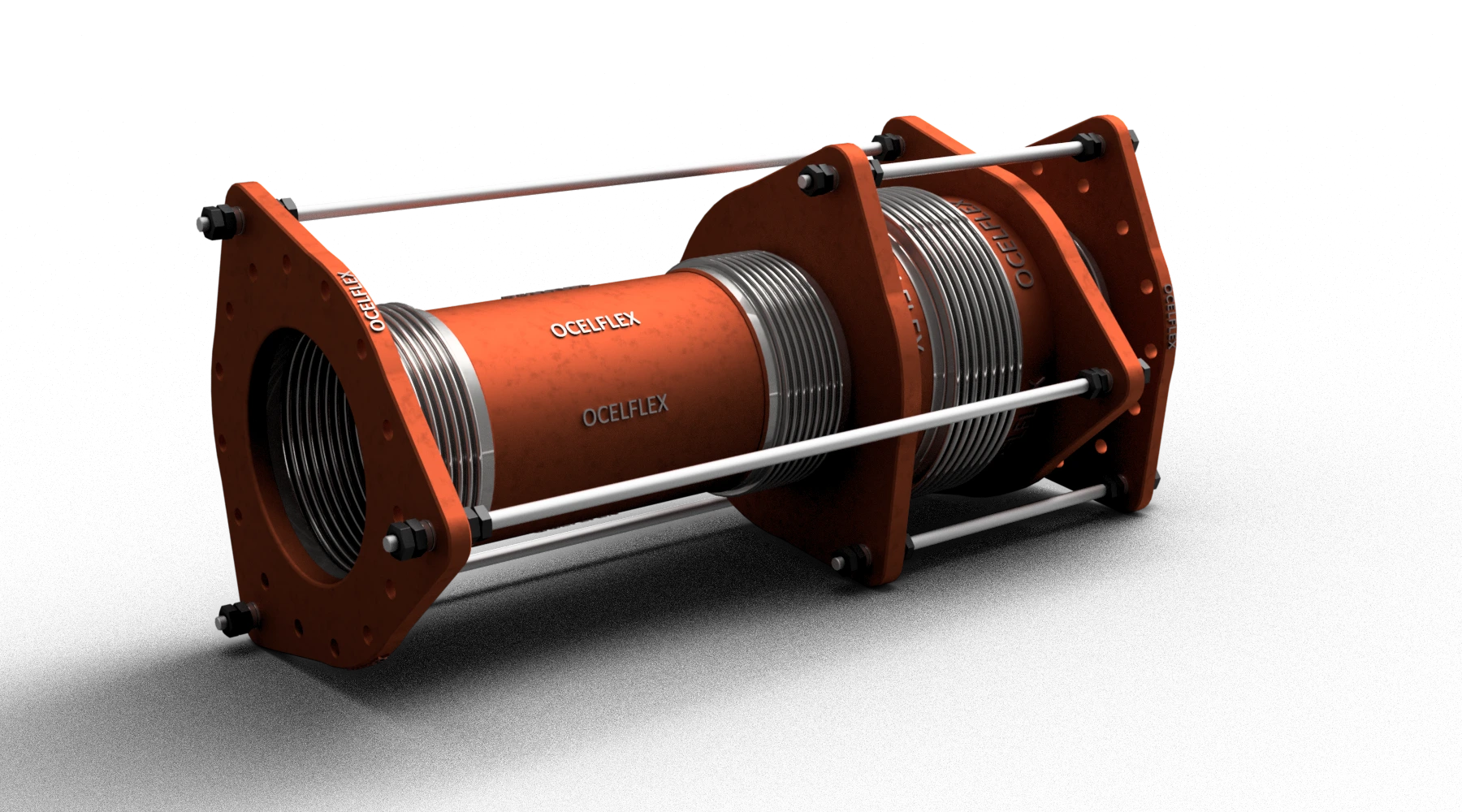
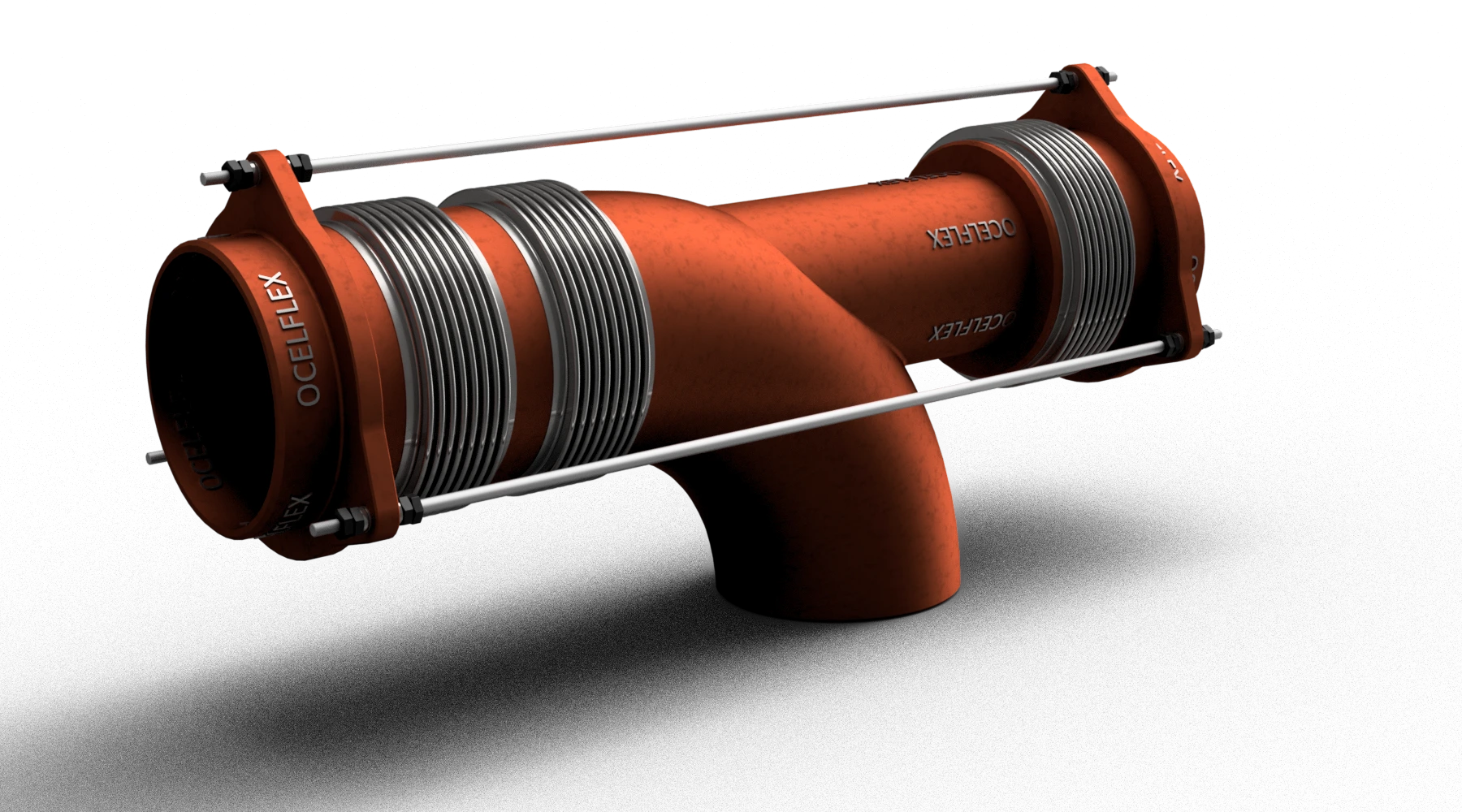
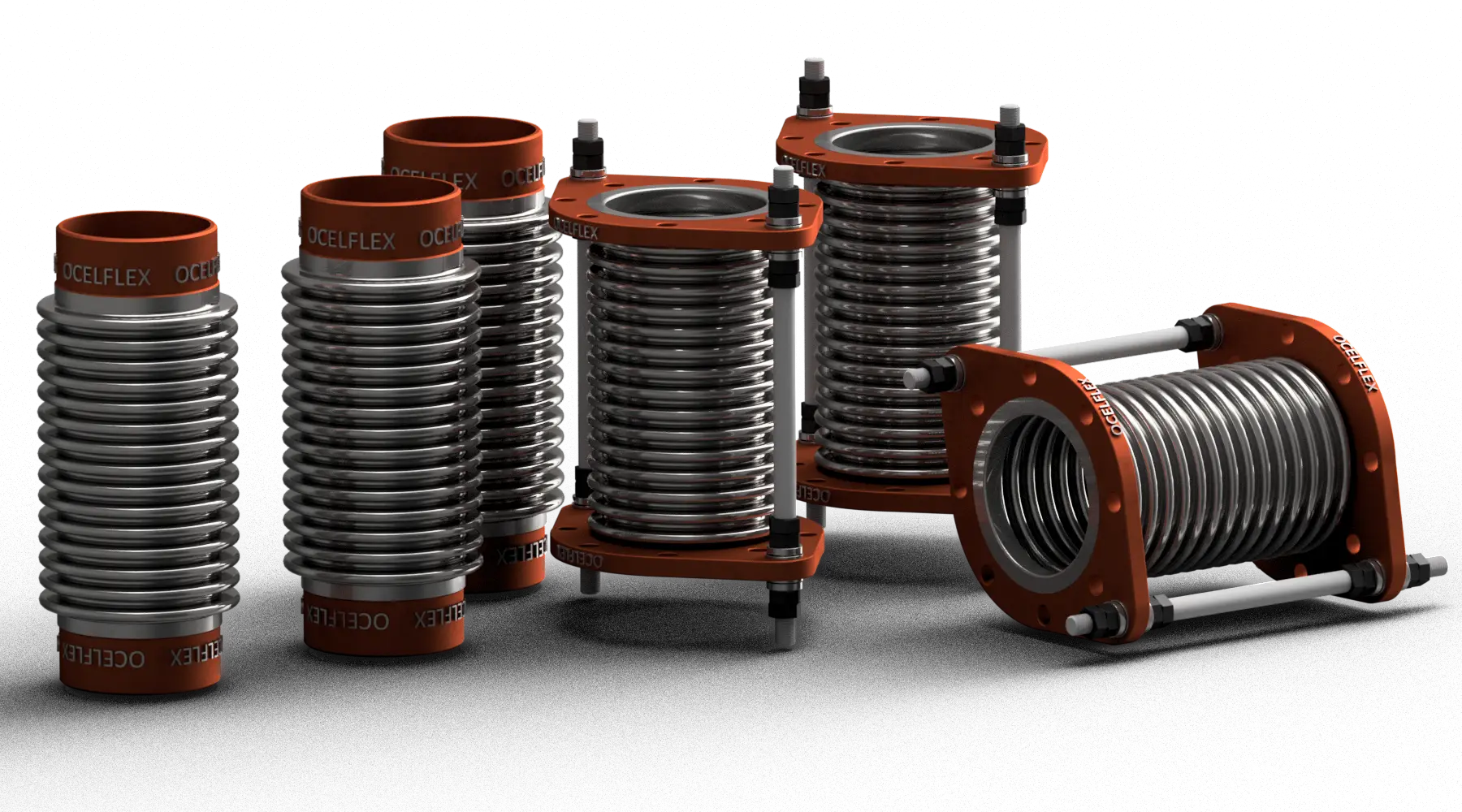
We were approached by a European consultant representing an oil refinery in Saudi Arabia, seeking specialized expansion joint solutions for their close blowdown system. The client required multiple universal tied expansion joints of varying sizes and lengths to be installed to handle blowdown vapors and condensate drains within the system.


application overview.


In a close blowdown system used in oil refineries, both condensate drains and blowdown vapors are integral components, crucial for managing and discharging both liquids and gases. Their proper handling is essential to maintaining system integrity and ensuring safe operation.

● Condensate Drain
The condensate drain serves to collect liquids, typically water, which condenses from steam or gases within the system. This liquid is directed safely for either treatment or disposal. If the condensate is deemed suitable for reuse, it can be directed back into the system—often for boiler feedwater or other operational processes. If not reusable, the condensate is managed according to environmental regulations, ensuring minimal impact on the environment.

● Blowdown Vapors
Blowdown vapors are typically hot and under pressure, and can contain a mixture of hydrocarbon vapors, water vapor, and gases like methane, carbon dioxide, or sulfur compounds, depending on the specific refining processes. These vapors are directed either to a vapor recovery system for reprocessing or treated before being safely released into the atmosphere.

Our clients in oil/gas, power, and industrial sectors

few design specifications.


Type

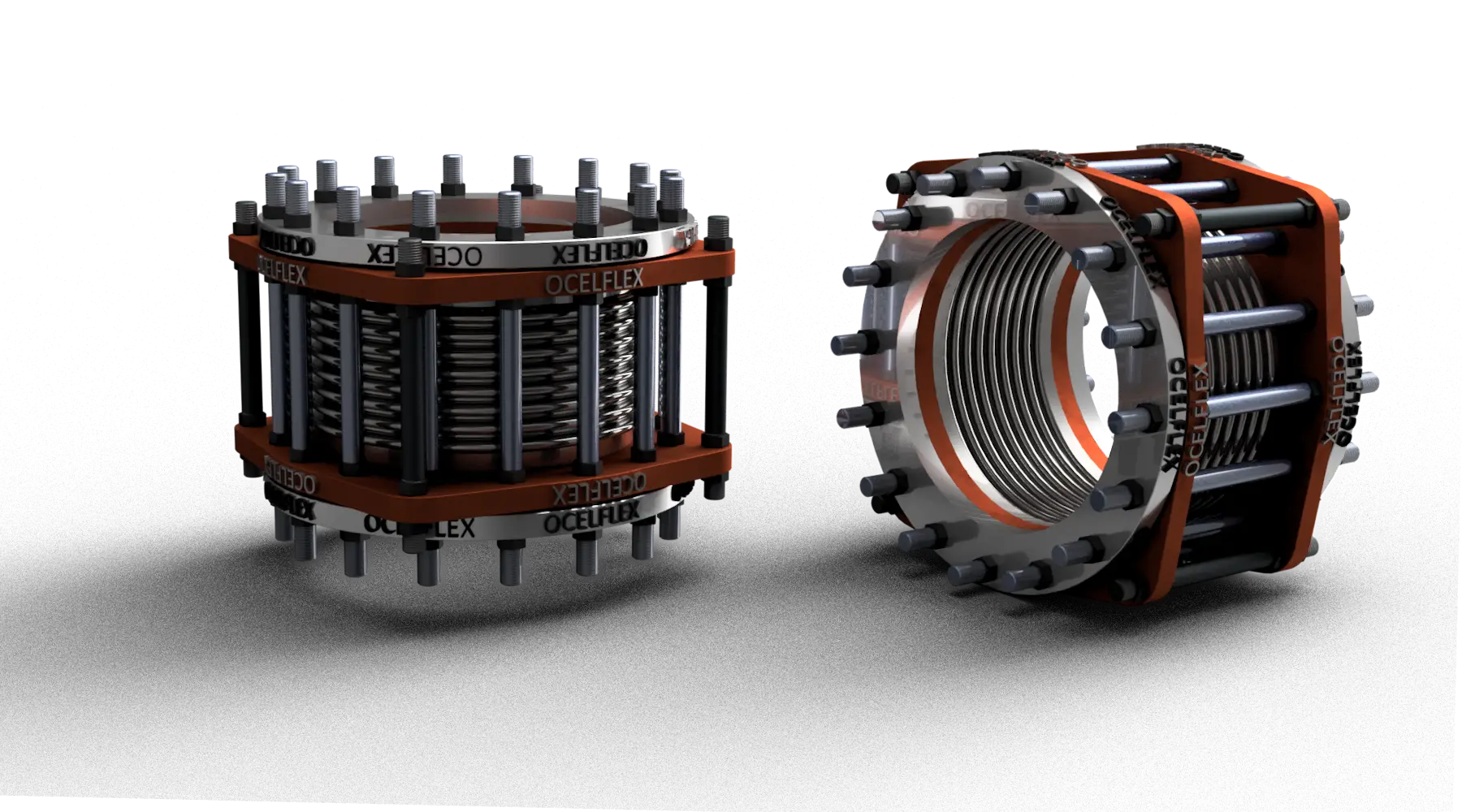
● Universal Metal Expansion Joint

Sizes

● 20 inch, 16 inch, 14 inch

Medium

● Blowdown Vapors

Installation Position

● Horizontal

Operating Temperature

● 400°C

Operating Pressure

● 4 bar

Flow Velocity

● 50 m/s

Length

● 2000 mm

Bellows Material

● 1.4404 (AISI 316L)

Design Code

● EJMA

End Fittings

● Flanged End Welded to Pipe

Inner Sleeve Material

● 1.4404 (AISI 316L)

Operating Lateral Movement

● 105 mm / 40 mm

Quantity

● 15 Units


Type

● Universal Metal Expansion Joint

Size

● 10 inch

Medium

● Condensate Drain

Installation Position

● Horizontal

Operating Temperature

● 450°C

Operating Pressure

● 4 bar

Flow Velocity

● 20 m/s

Length

● 800 mm

Bellows Material

● 1.4404 (AISI 316L)

Design Code

● EJMA

End Fittings

● ASME B16.5 CL 300

Inner Sleeve Material

● 1.4404 (AISI 316L)

Operating Lateral Movement

● 75 mm / 40 mm

Quantity

● 8 Units

manufacturing.


For the close blowdown system, out of the various other factors to consider, Ocelflex engineers considered two important design parameters :


● Blowdown vapors and condensate flow through the system at varying temperatures. As hot gases cool and condensate is processed, significant thermal expansion and contraction occur. Our expansion joints were carefully designed to absorb these movements, preventing stress on the piping and ensuring reliable operation.


● Blowdown systems often experience rapid pressure changes during pressure release. Ocelflex expansion joints are engineered to accommodate these pressure transients, allowing the system to flex without causing damage or compromising safety.


Once the expansion joint designs were finalized and approved, Ocelflex successfully manufactured and delivered the expansion joints within a two-week timeframe. The joints were promptly installed at the client's facility, and the client expressed full satisfaction with both the quality of the products and the comprehensive documentation provided. The seamless integration of the expansion joints into the system reinforced the efficiency and reliability of the blowdown process.


FAQ's.

Leveraging our years of experience, Ocelflex has compiled this comprehensive FAQ section to address the questions we hear most often. Our FAQs are designed to provide clear and concise answers to common questions, covering everything from material specifications and manufacturing processes to international standards and urgent delivery options.

  •   How Do Expansion Joints Solve Vibration Problems?

  •   What is Flow-Induced Vibration and How Can It Damage an Expansion Joint?

  •   What causes a metal expansion joint to hiss or whistle during operation?

  •   What Happens if System Pressure Exceeds the Expansion Joint Design Pressure?

  •   Why is Stainless Steel the Most Common Material for Metal Expansion Joints?

  •   What is the Difference Between 304 and 316 Stainless Steel Expansion Joints?

  •   How do multi-ply bellows compare with single-ply bellows in high-vibration applications?

  •   Can metal expansion joints be customized for space-constrained installations?

Have more questions? If you don't find what you're looking for, visit the link below for more frequently asked questions regarding our flexible hose and expansion joint products.


Related Technical Articles.

Fabric Expansion Joint vs.
Metal Expansion Joint vs.
Rubber Expansion Joint

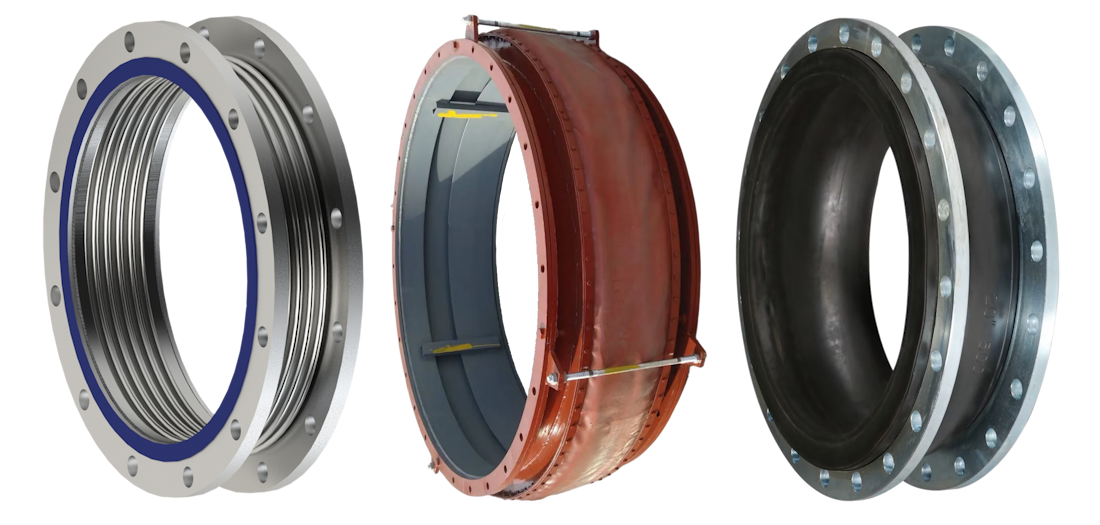
Confused which type of expansion joint is right for you? This guide will help you understand the difference between fabric expansion joints, metal expansion joints and rubber expansion joints.


Read More

Part A : Metal Expansion Joint Series - Longetivity vs Corrosion

Learn the different types of corrosion in metal expansion joints and how corrosion causes metal expansion joint failures. Detailed explanation of SCC, pitting, erosion, and fatigue-related damage and more.


Read More

Receive a quote for your requirement of Metal Expansion Joint.

Let our experts help you!
To discuss your hose or expansion joint requirements, complete our convenient form and we'll get in touch with you at the earliest.