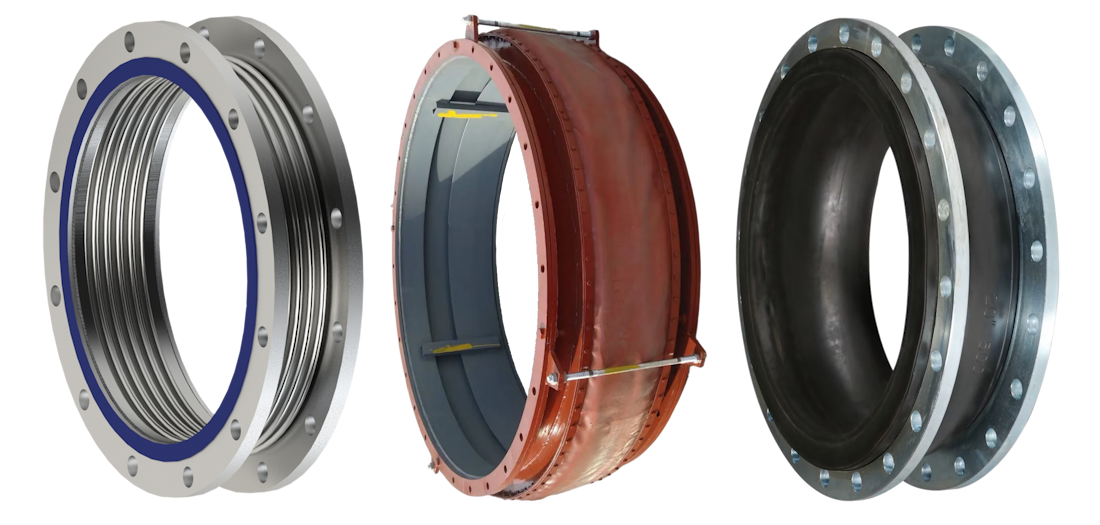
1. Stainless steel braided flexible connectors were designed strictly for vibration isolation and limited lateral movement. Axial movement and thermal expansion were eliminated by correcting piping alignment and, where required, by introducing dedicated expansion joints rather than forcing movement into the connectors.
2. All stainless steel corrugated hoses and pump connectors were designed to be installed at their neutral length, ensuring zero axial compression or extension during operation. Installation drawings clearly defined the allowable lateral offset to prevent overstressing of the hose or braid.
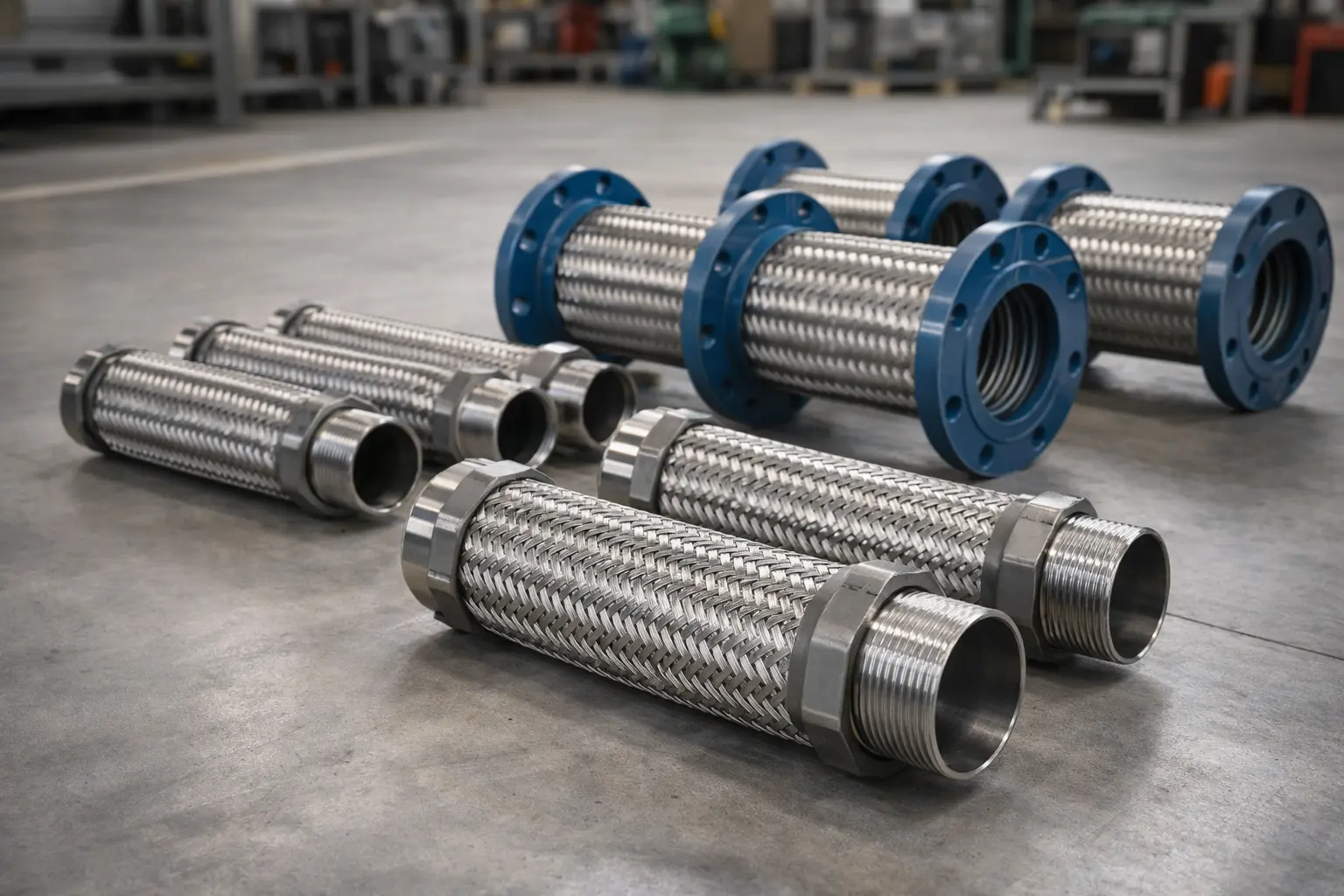
3. The flexible assemblies were manufactured using an SS 316L stainless steel corrugated hose as the inner element, combined with a single-layer high-tensile SS 304 stainless steel braided hose for pressure containment. End connections were supplied as SS 316 Female NPT for threaded sizes and ASTM A105 carbon steel flanges in accordance with ANSI B16.5 Class 150 RF for flanged sizes.
4. Braid coverage, angle, and pitch were carefully designed so that the braid remained fully engaged over the corrugated hose at operating pressure. This prevented braid elongation under pressure and eliminated the risk of braid pull-out at the collars.
5. The stainless steel braided hoses were installed directly at the pump suction and discharge nozzles to effectively isolate vibration at the source and prevent its transmission into the connected piping system.
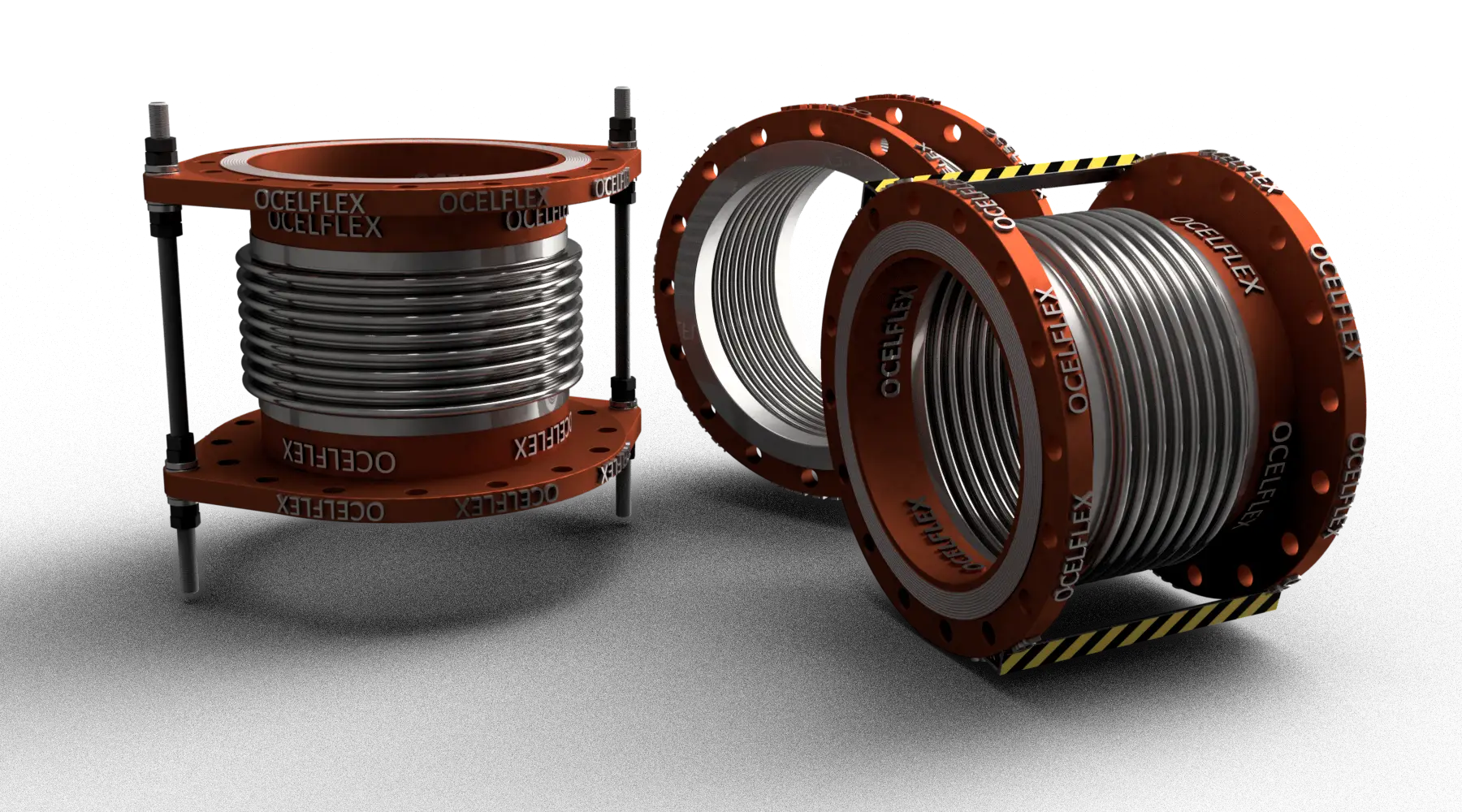
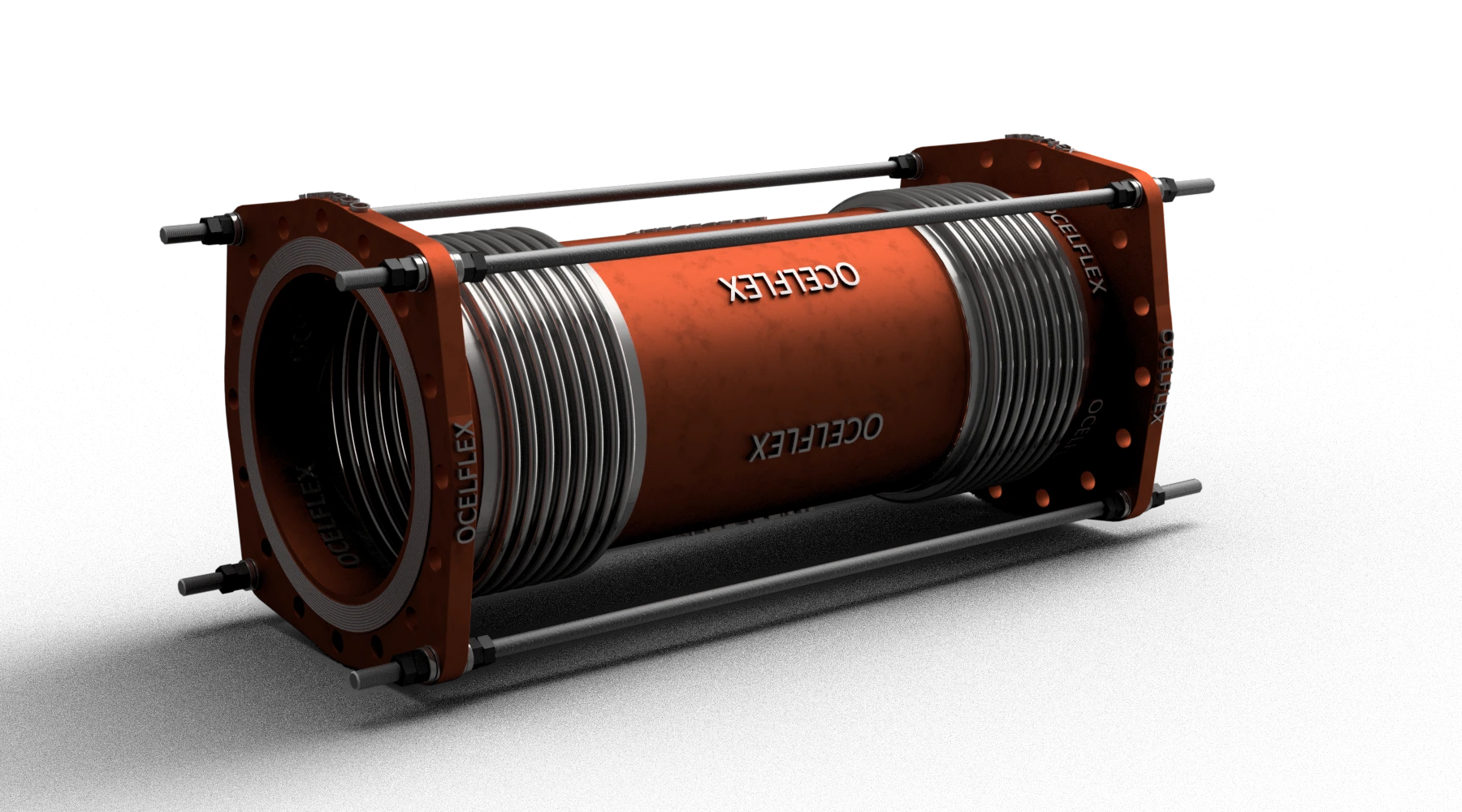
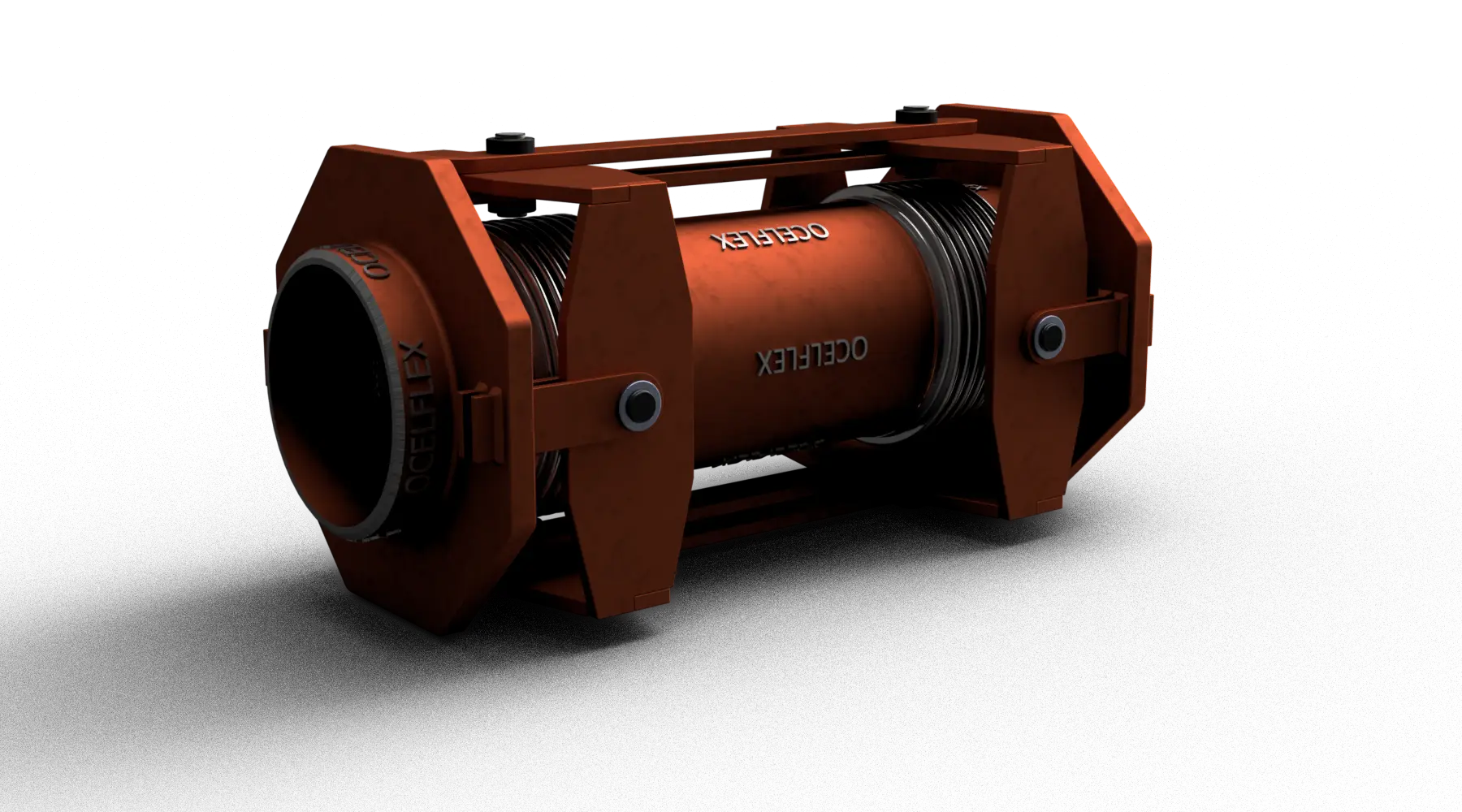
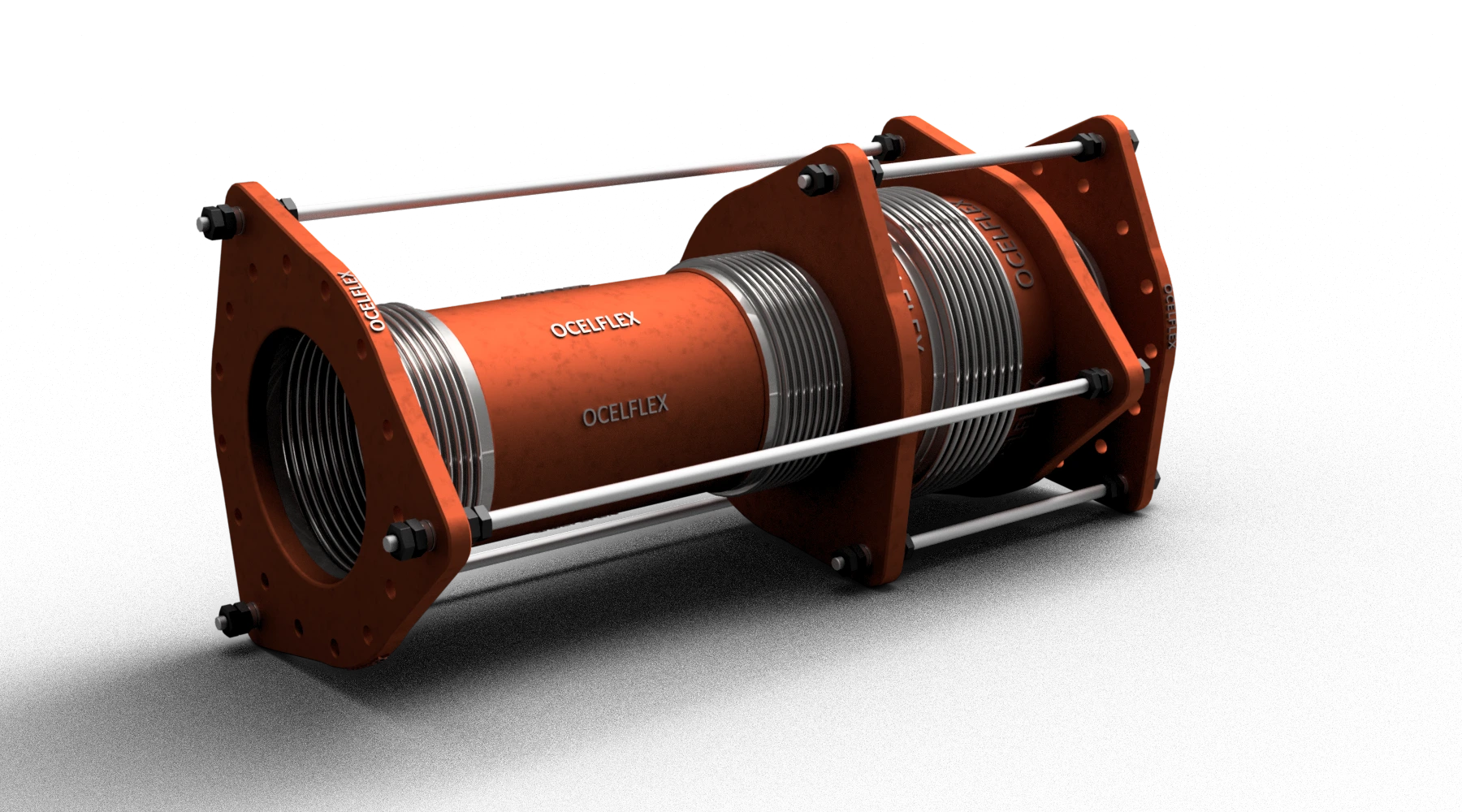
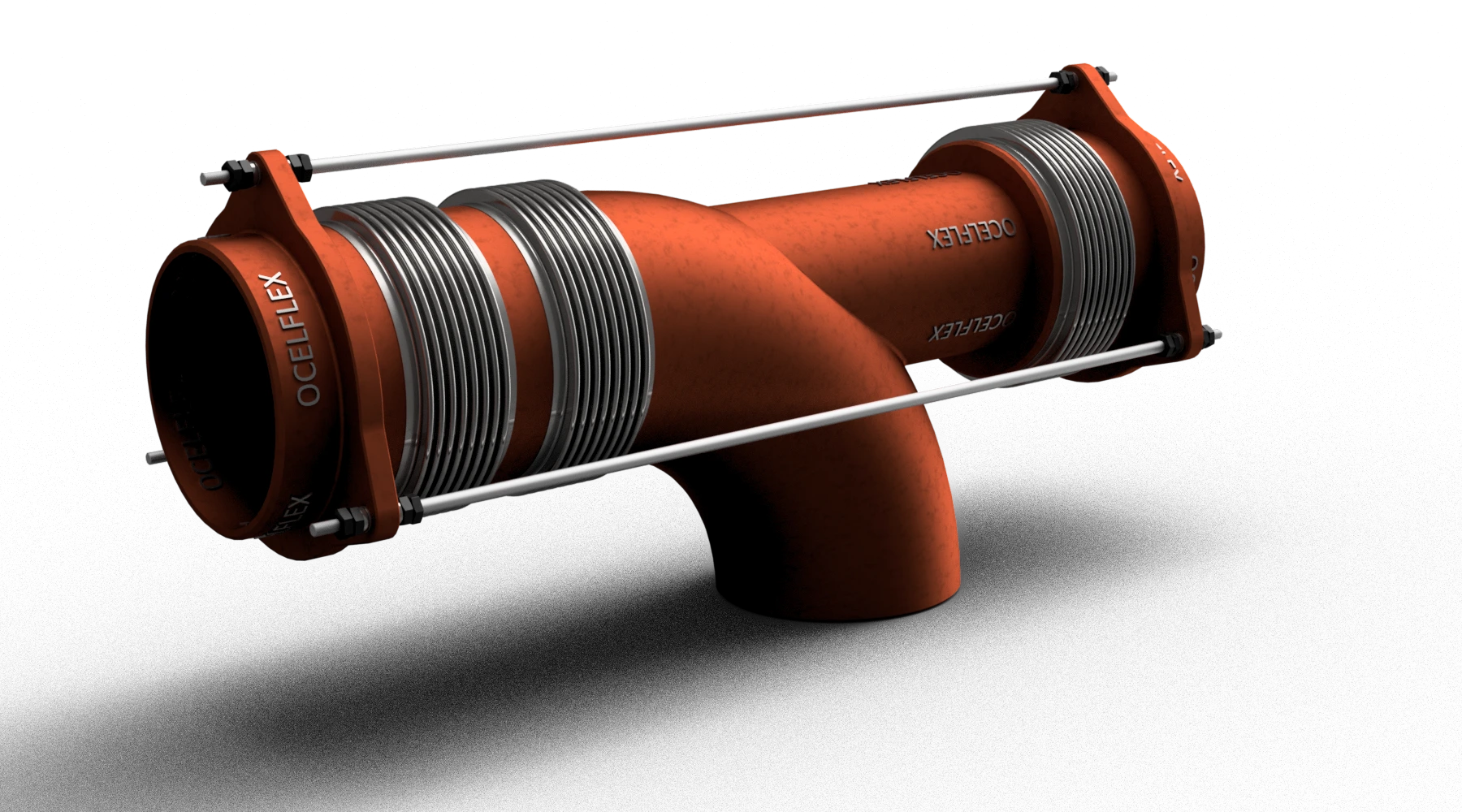
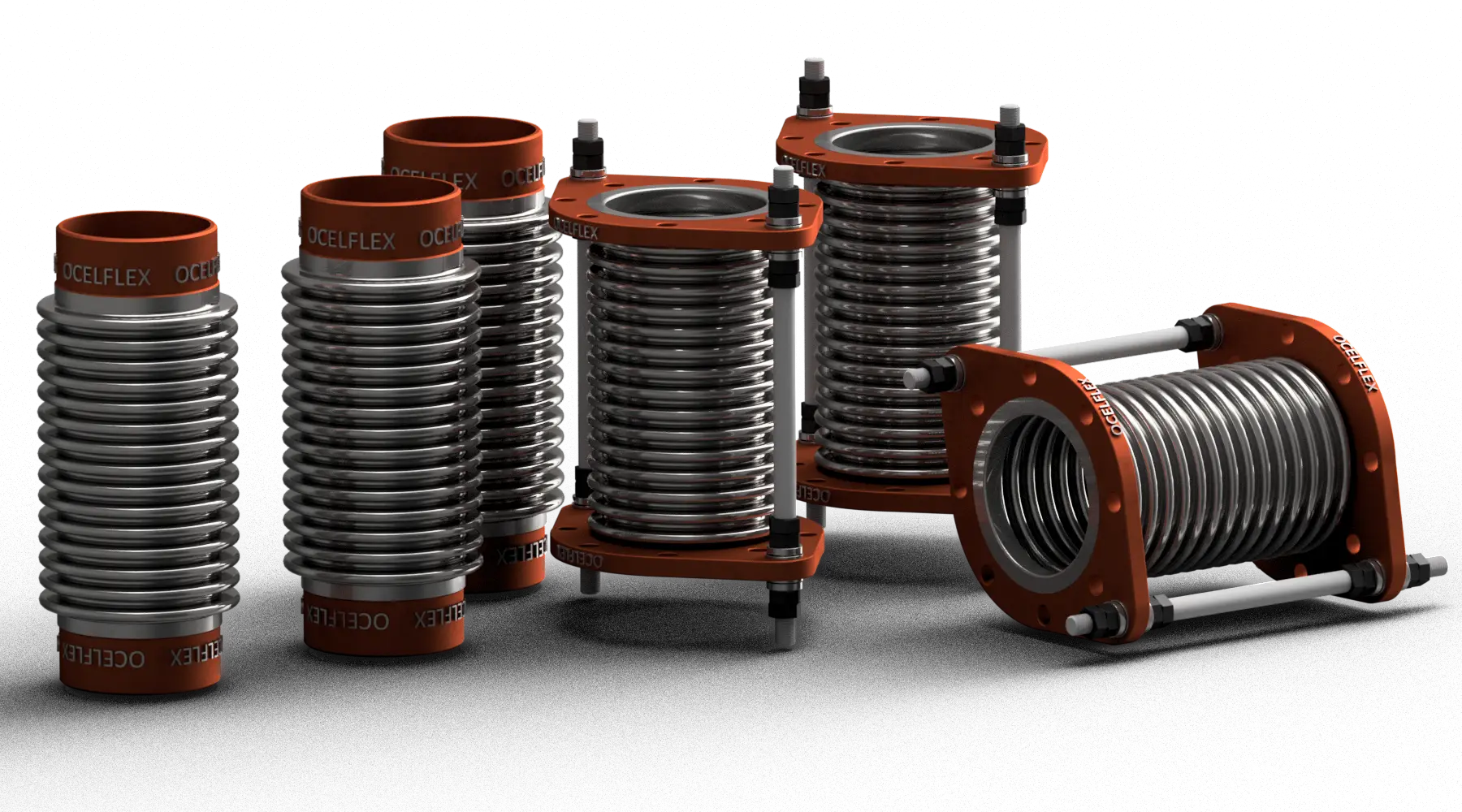
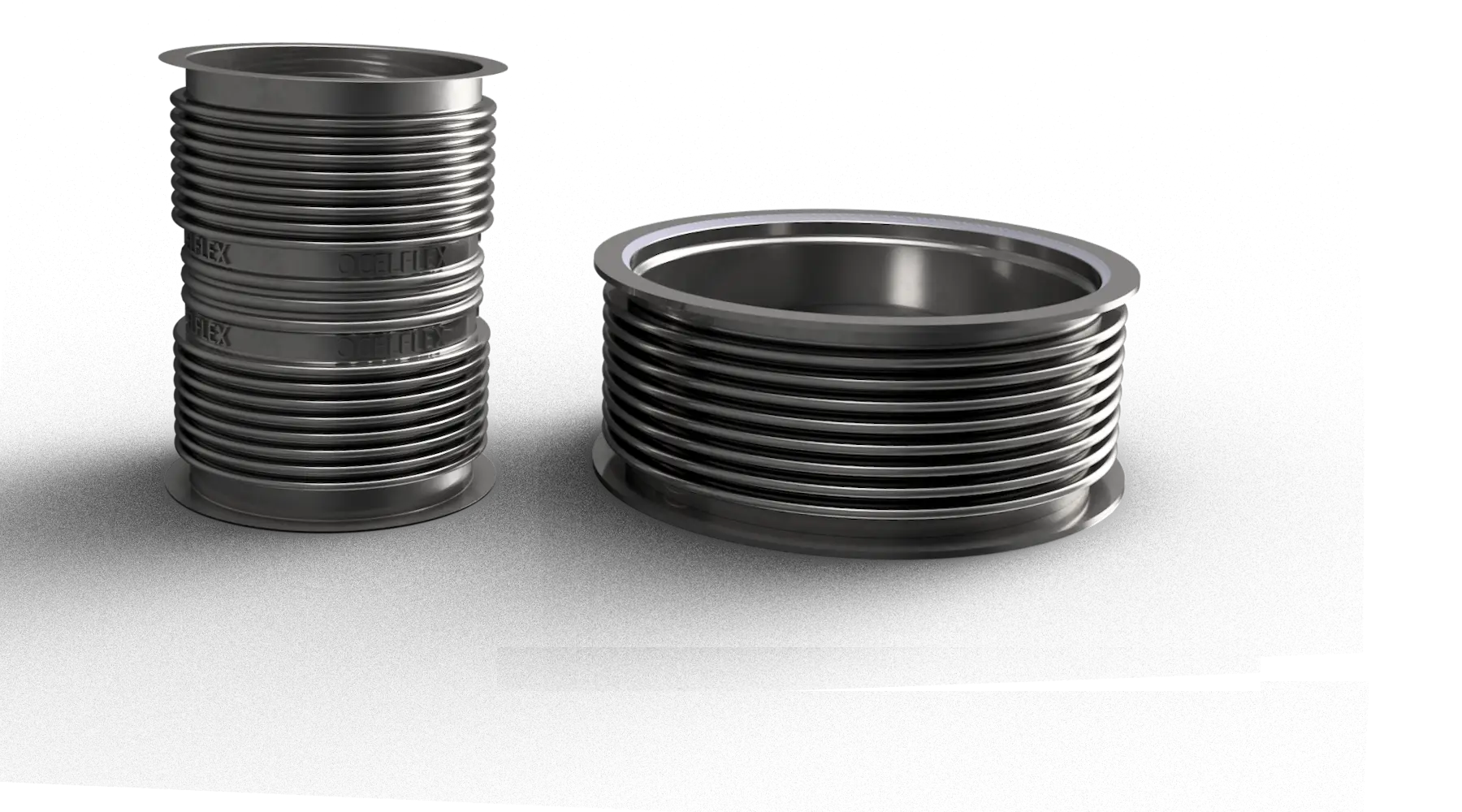
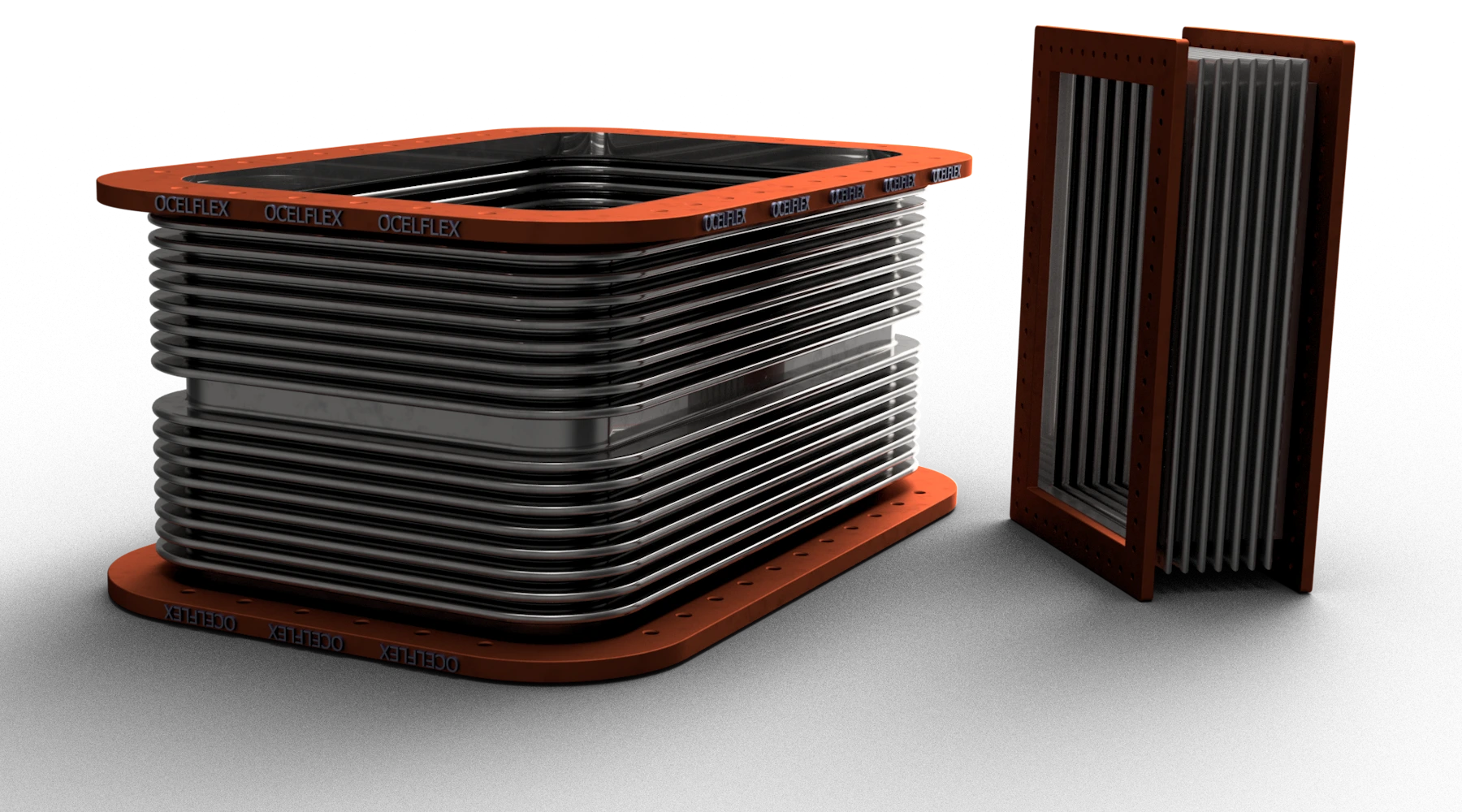
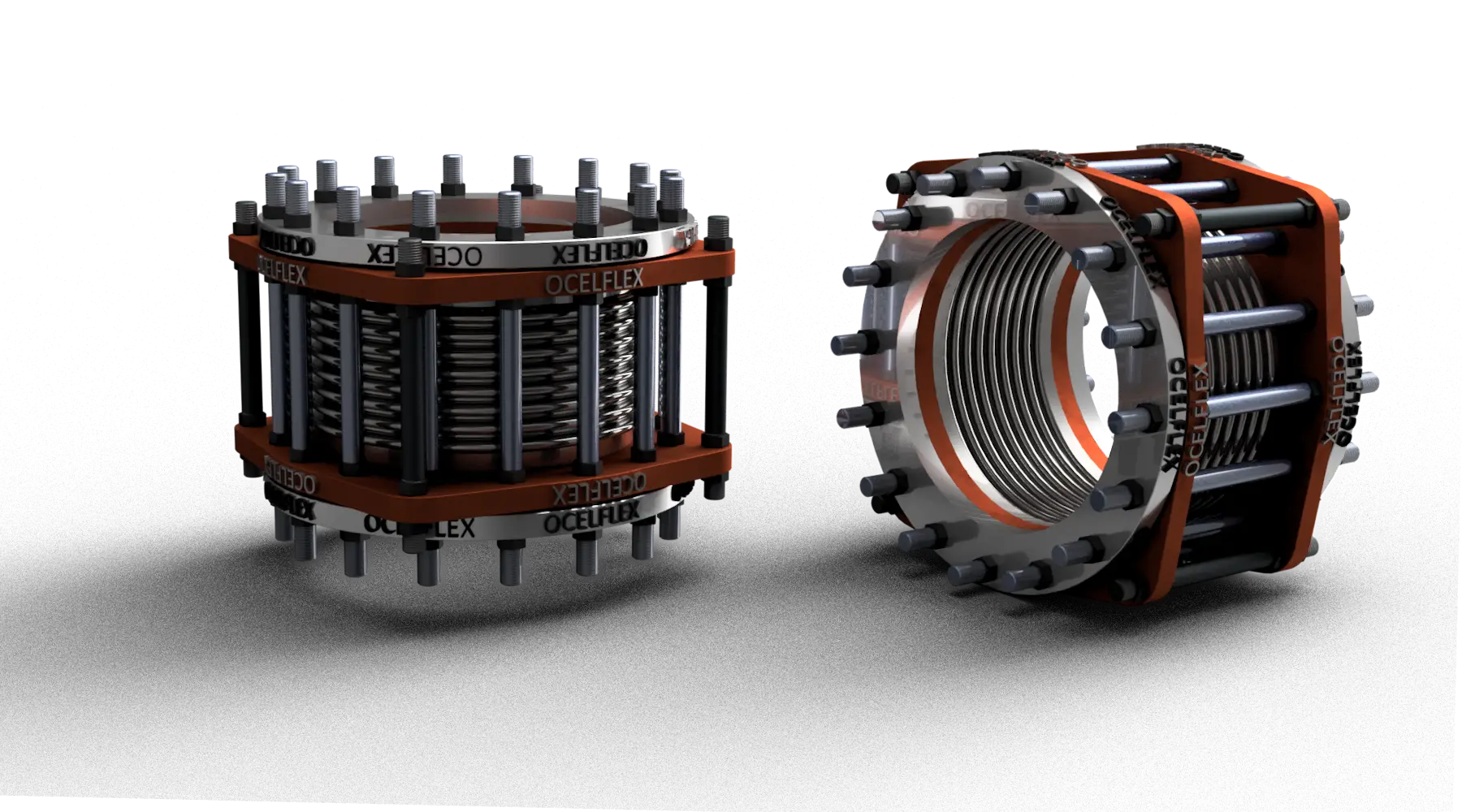
6. Metal expansion joints were designed as per EJMA standard and manufactured with a multi-ply, deeper height and pitch design as per the approved technical requirements.
7. Considering the coastal operating environment in Colombia, stainless steel materials were chosen to provide long-term resistance to corrosion, humidity, and salt-laden air, ensuring reliable performance over the service life.
8. Detailed installation guidelines were issued to the maintenance team to prevent common installation errors such as twisting, stretching, or using the stainless steel flexible connectors to compensate for misalignment.
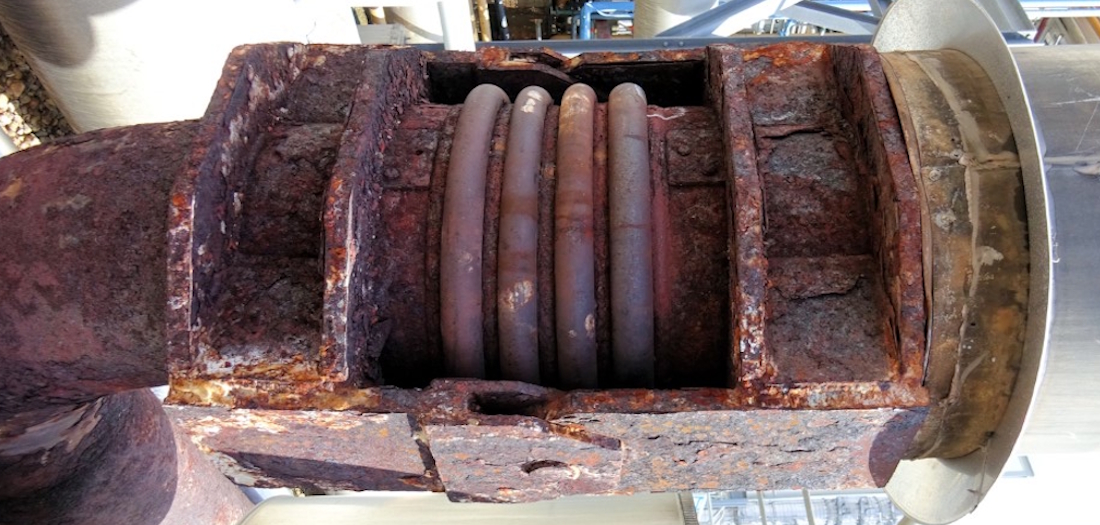
9. For locations requiring movement absorption beyond the capability of stainless steel braided connectors, multi-ply metal expansion joints were incorporated to provide improved fatigue life, a more stable spring rate, and better long-term reliability.
10. All stainless steel corrugated hoses and metal expansion joints were Hydrostatic Pressure Tested at the standard 1.5 times design pressure. Additionally all pressure tests were witnessed and certified by TPI DNV. The client was presented with all testing and inspection reports and other documentation.