
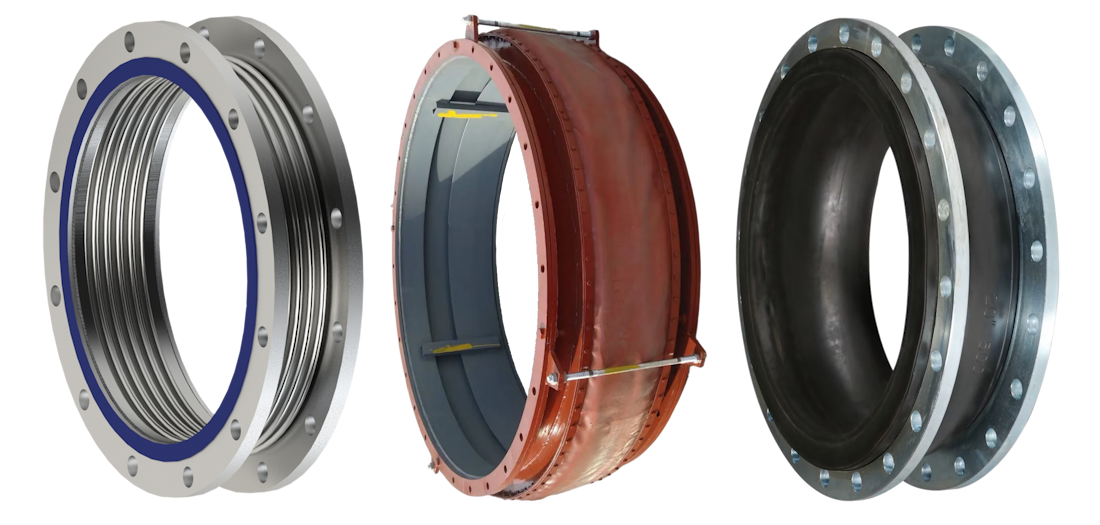
Stainless Steel
Expansion Joint

Projects

HEAVY DUTY HIGH PRESSURE METAL EXPANSION JOINT FOR A PETROCHEMICAL REFINERY IN QATAR
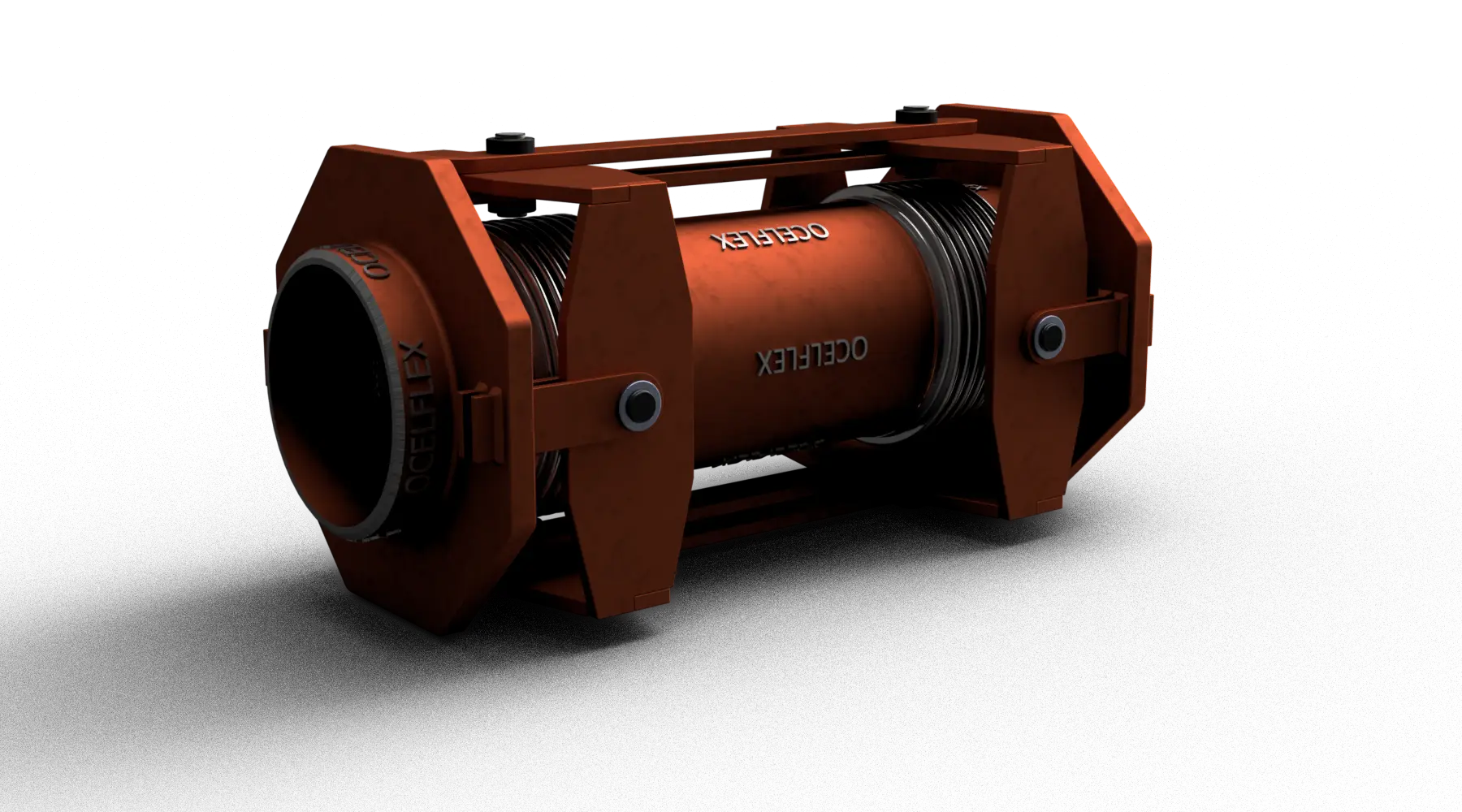
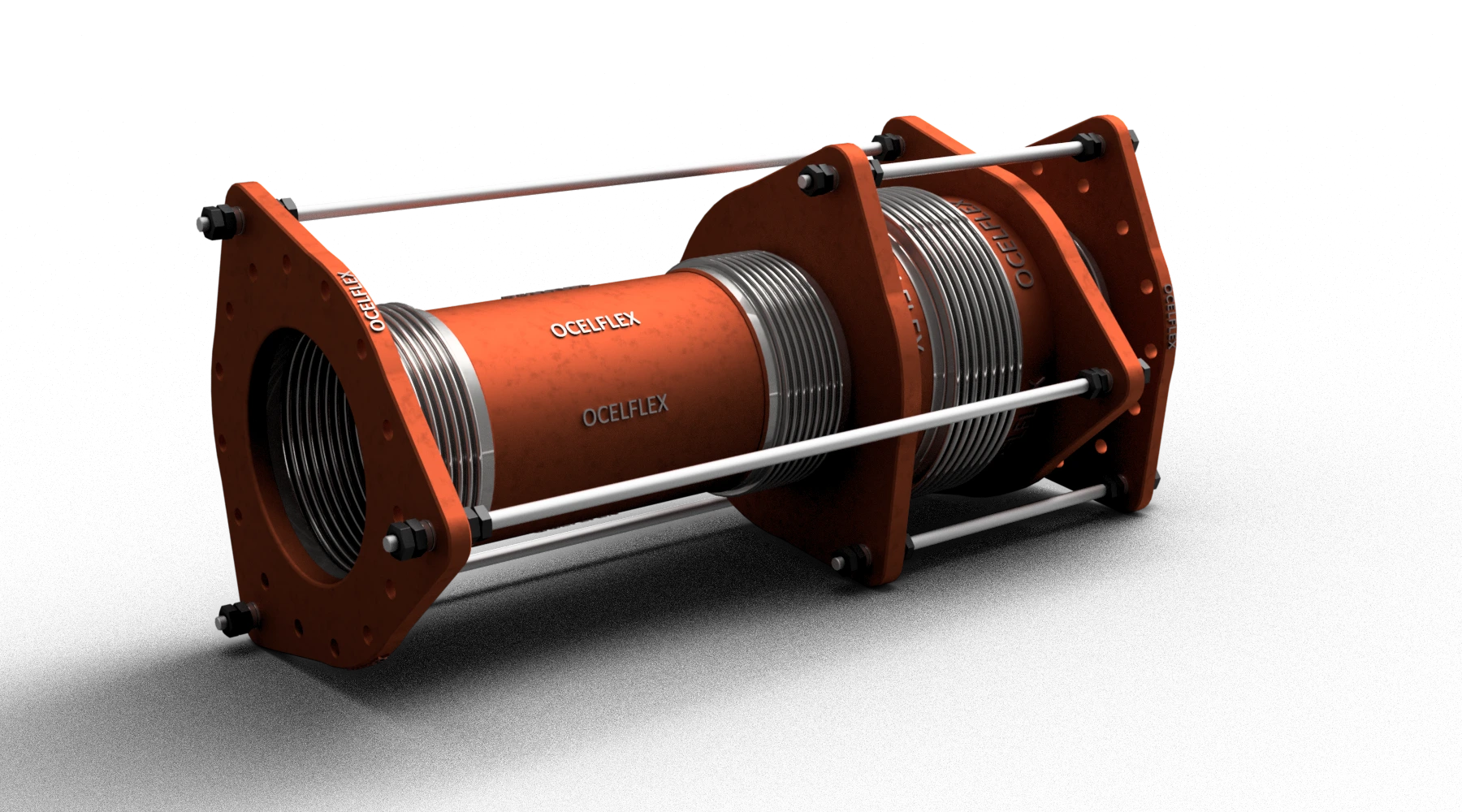
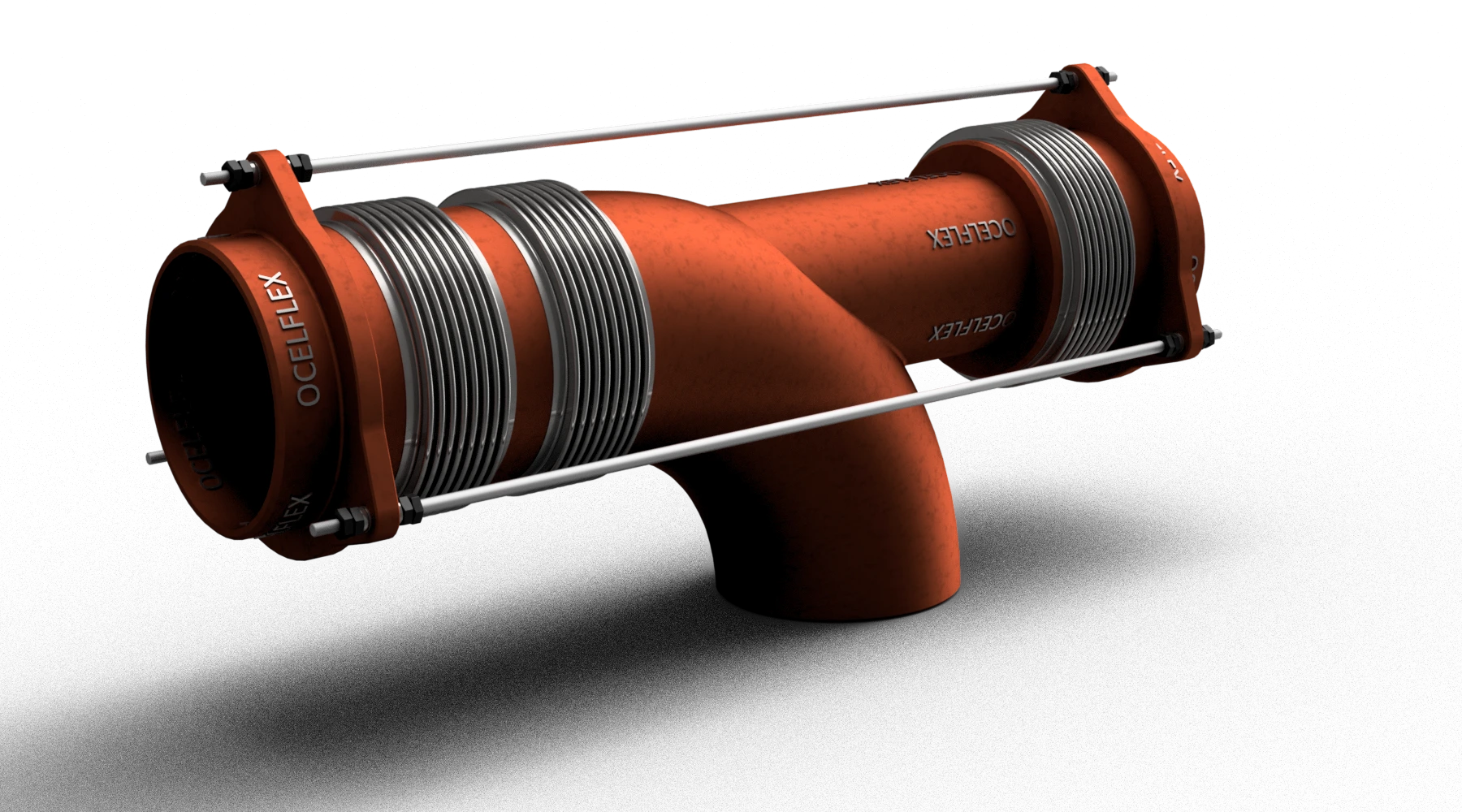
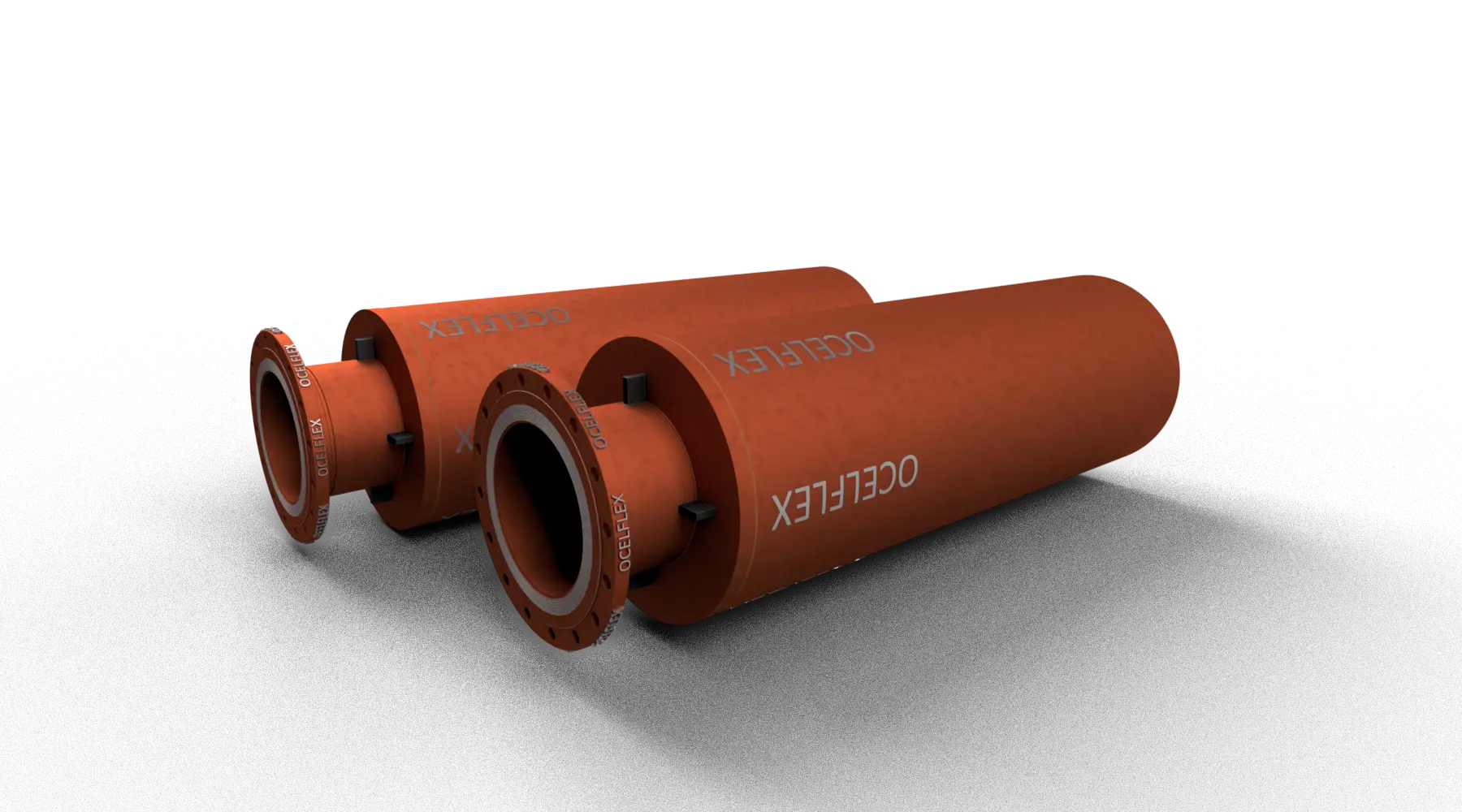
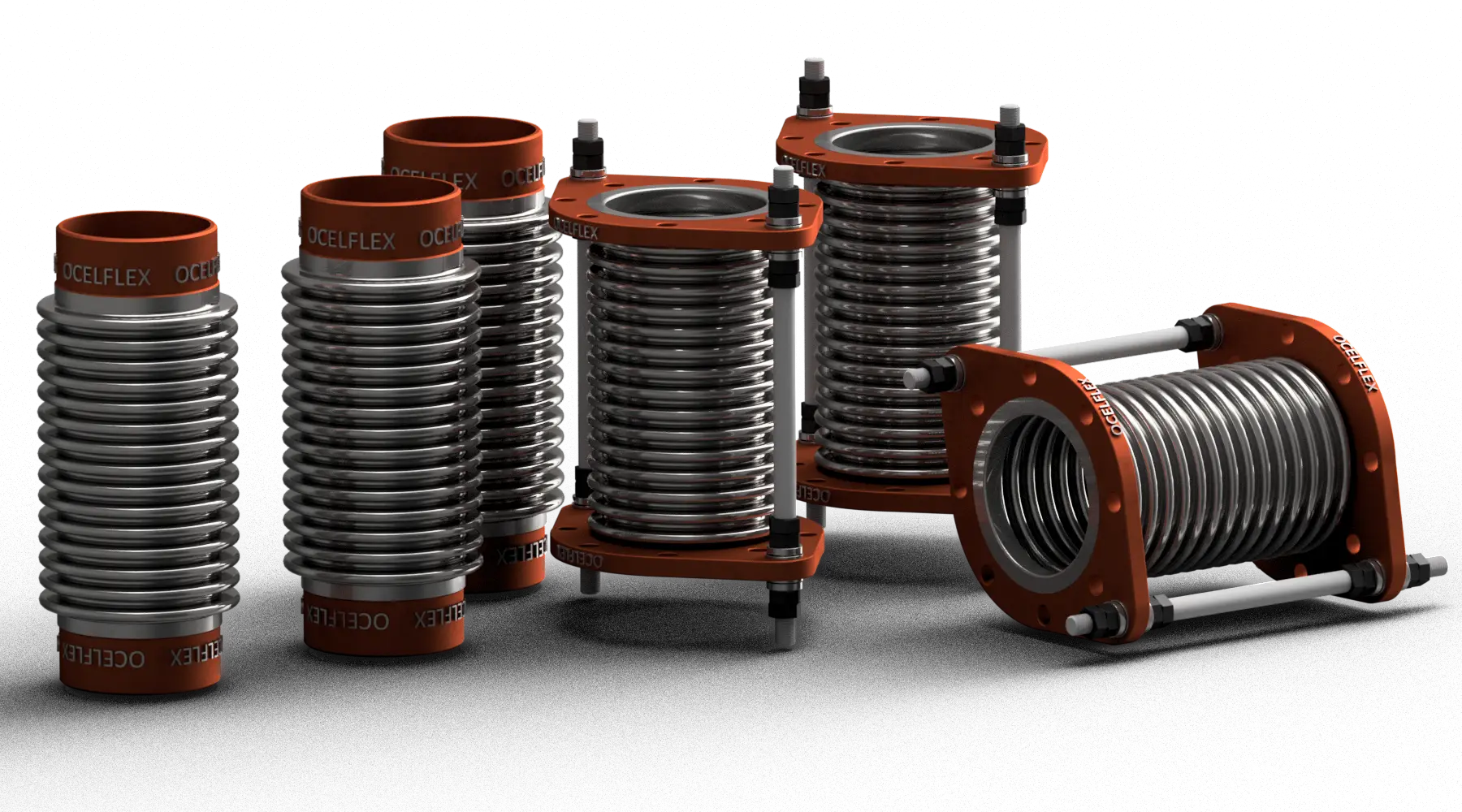
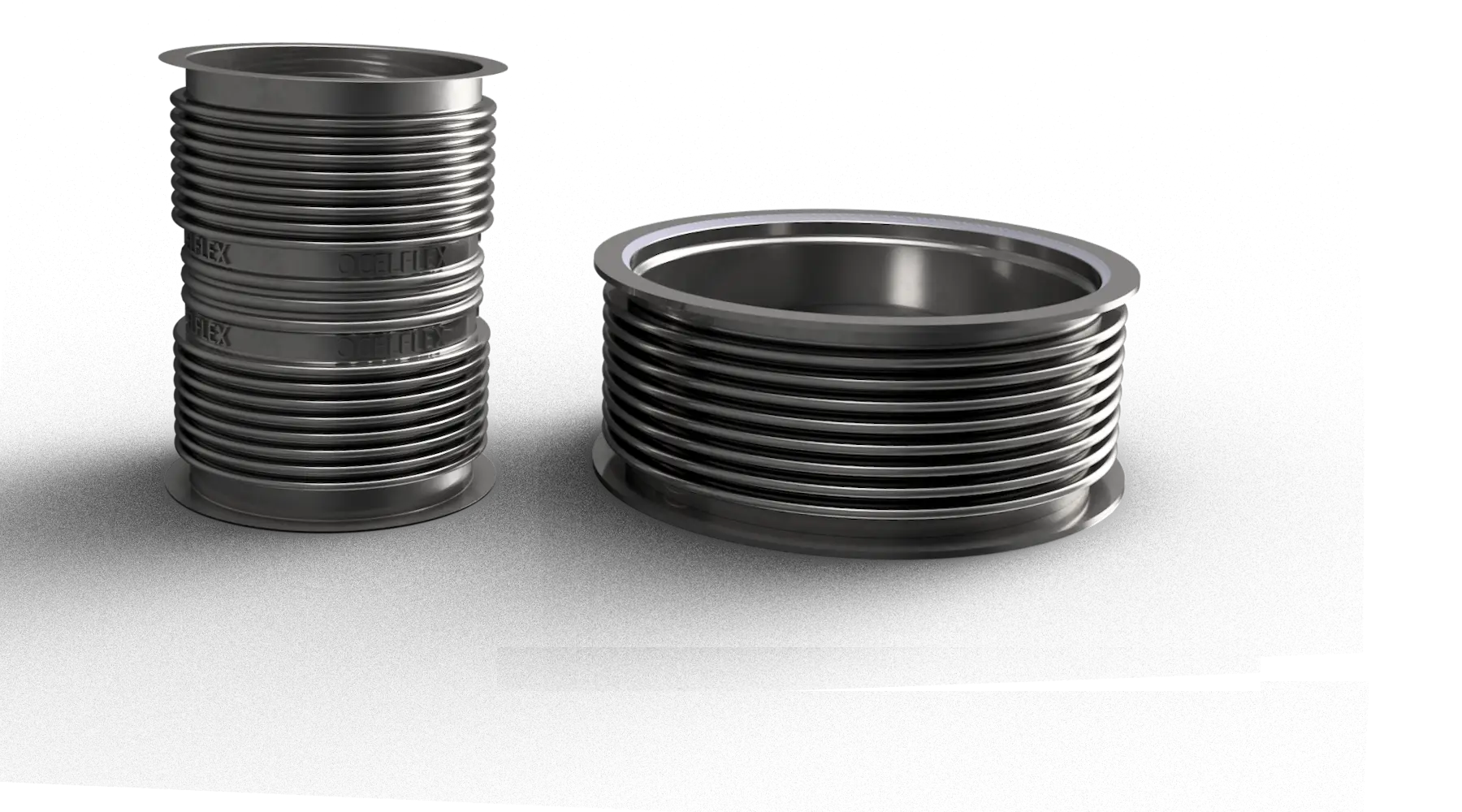
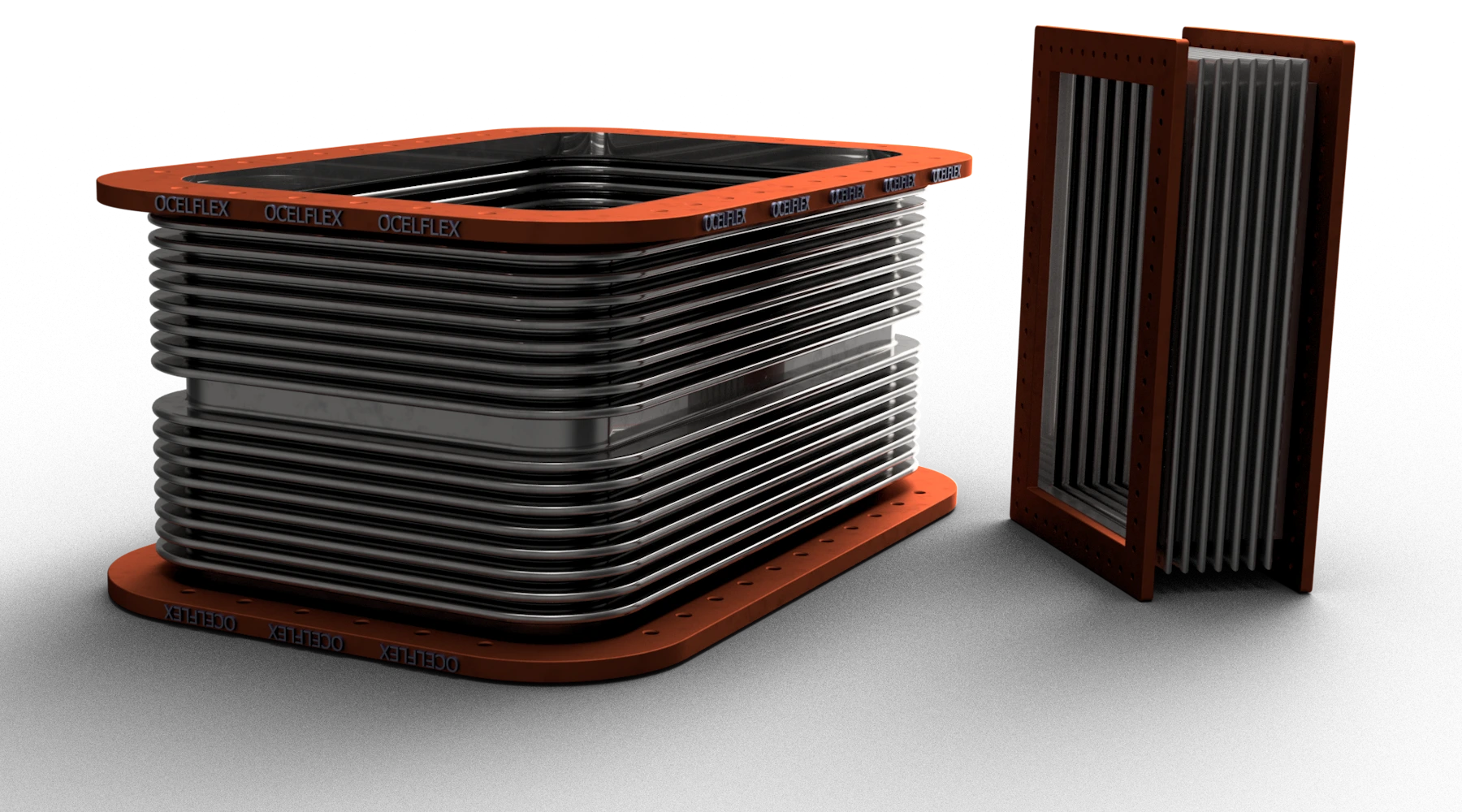
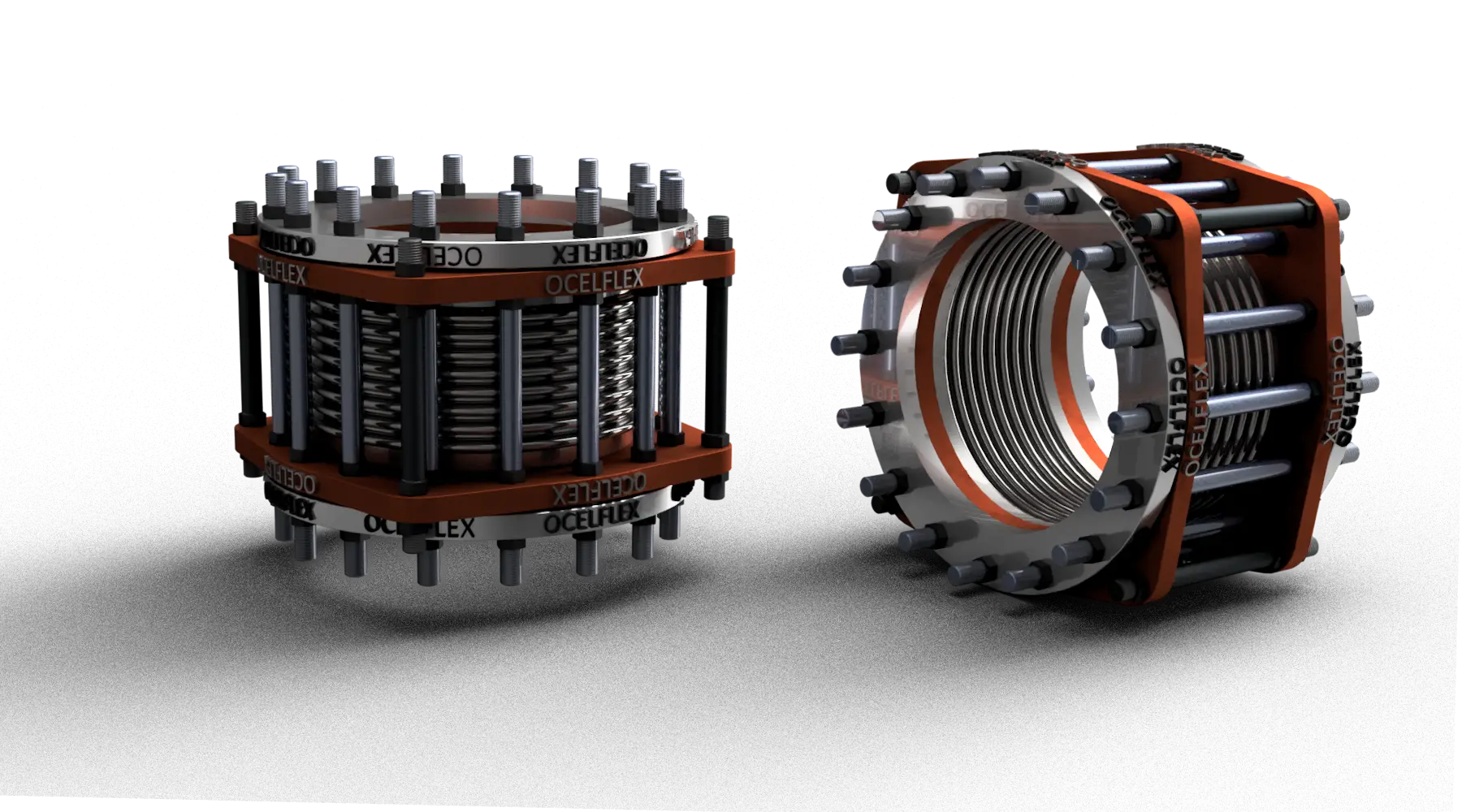
Customized Axial Stainless Steel Expansion Joint

Composite Hose Installation for Fuel Transfer Operations

CLIENT REQUIREMENT

A leading client for a petrochemical refinery in Qatar wanted us to design and manufacture metal expansion joints.

The metal expansion joints were required to accommodate thermal growth in a boiler exhaust duct system operating at 400 °C and 18 bar(g), spanning the section between the Boiler Steam Drum Outlet and the Economizer Inlet. The client had experienced chronic failure of the previously installed stainless steel expansion joints — with an MTBF of less than twelve months — resulting in significant unplanned downtime.

The stainless steel expansion joint is located between the Boiler Outlet Header and the Economizer Inlet Duct and is one of the most thermally and mechanically demanding positions in the flue gas circuit.

The duct transitions from the boiler pressure part into the heat recovery section and must accommodate the differential thermal expansion between the high-alloy boiler pressure parts and the carbon steel duct structure as well as the vibration transmitted from the boiler burners and FD fan and any minor misalignment.

Temperature

Operating : 400 °C | Design : 420 °C

Pressure

Operating : 18 bar | Design : 22 bar

Inner Media

Flue Gas - N2, CO2, H2O, Fly Ash

Bellow Nominal Diameter

DN 600 (24 inch), DN 750 (30 inch), DN 800 (32 inch)

External Environment

Coastal industrial ( Marine )
Composite Hose in Terminal Loading Operation

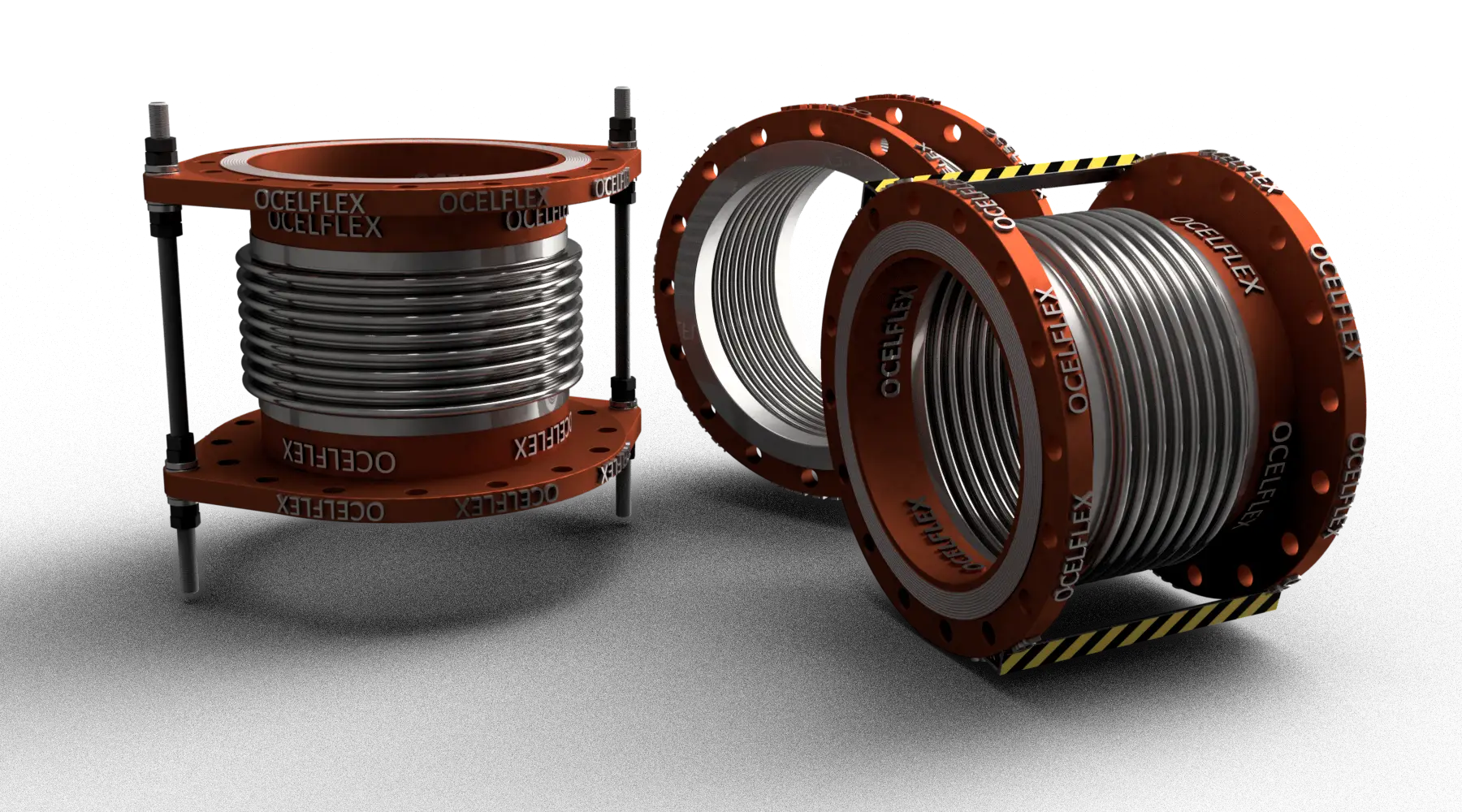
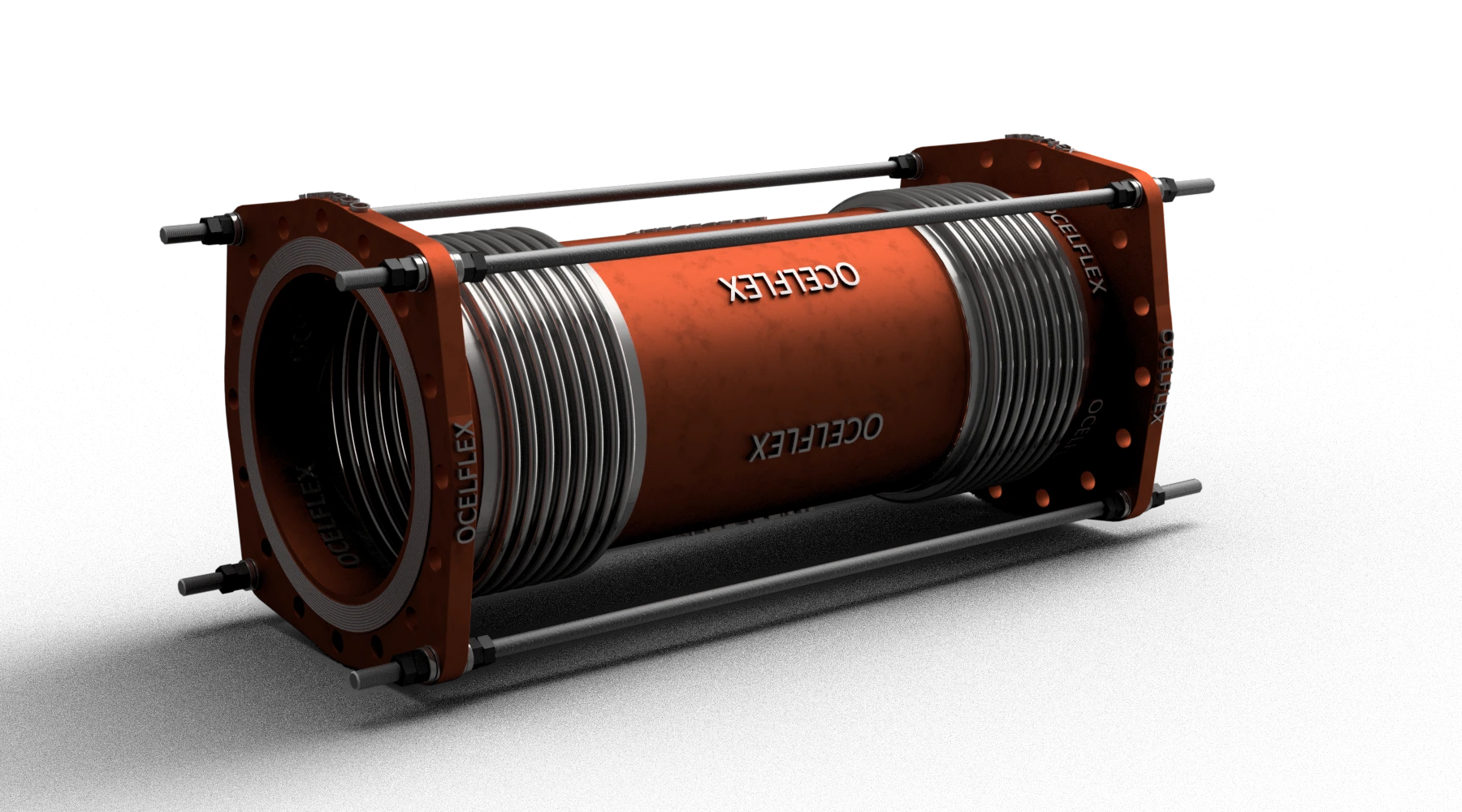
STAINLESS STEEL EXPANSION JOINT MANUFACTURED BY US

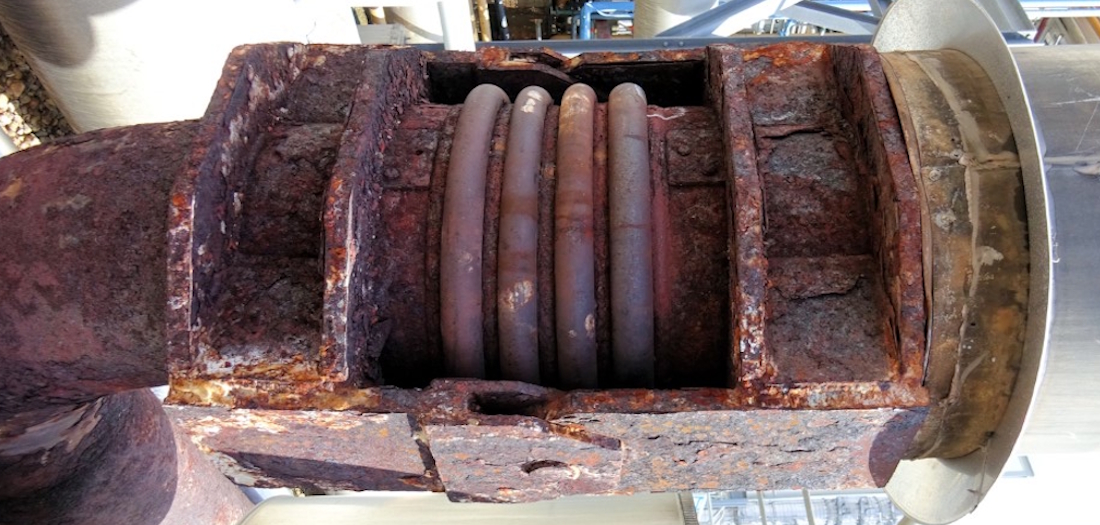
Based on the initial inspection and detailed visual examination, the stainless steel expansion joint exhibited multiple failure modes :

The primary failure was identified as fatigue cracking of the stainless steel bellows, predominantly concentrated at the first convolution. This location is typically subjected to the highest stress concentration due to axial movement and pressure-induced thrust forces on the stainless steel expansion joint.
Additionally, internal corrosion was observed on the inner surface of the stainless steel bellows, indicating possible chemical reaction, media incompatibility, or inadequate material selection for the service environment.
The internal sleeve of the metal expansion joint was found to be insufficient in thickness and severely deteriorated. The extent of damage suggests inadequate protection of the stainless steel bellows from flow-induced turbulence, erosion, or particulate impingement.
Further examination revealed significant weld cracking at the end tangent areas of the metal expansion joints. Visible surface rusting was also present on the end fittings, indicating coating failure, environmental exposure, or substandard corrosion protection measures.

After evaluating the contributing failure mechanisms, OCELFLEX implemented a redesign of the metal expansion joint to improve durability and extend its service life.

Considering the operating temperature of 580 °C in conjunction with exposure to corrosive flue gases, the metal expansion joints were manufactured using UNS S31635 (Stainless Steel 316Ti) as the primary material for all wetted components. The titanium stabilization in SS 316Ti was selected to enhance resistance to sensitization and intergranular corrosion under elevated temperature service conditions.
A heavy-duty internal flow liner, fabricated from Stainless Steel 316Ti plate to protect the stainless steel bellows from direct erosion caused by high-velocity flue gases, minimize flow-induced vibration and reduce turbulence impingement at the first convolution.
To mitigate the risk of condensate accumulation within the annular space, drain holes were provided at both ends of the metal expansion joint. This design allows any ingress condensate to evacuate freely, preventing prolonged exposure of the bellows ID surface to corrosive liquid pooling.
In order to distribute axial movement symmetrically about the neutral position of the bellows, all metal expansion joints were supplied in a pre-compressed condition.

Testing and Quality Assurance

Pneumatic Testing

Each stainless steel expansion joint was subjected to a pneumatic leak test to ensure leak-tightness of all pressure-retaining welds and joints.

Hydrostatic Testing

In addition, the stainless steel expansion joint underwent a hydrostatic pressure test at 1.5 × the design pressure, equivalent to 35 bar, with a pressure hold duration of 30 minutes. This test was conducted to verify the structural integrity of the stainless steel bellows element, weld soundness at all circumferential and longitudinal joints, overall pressure containment capability and leak-tight performance under sustained load. All inspection procedures, quality assurance documentation, and pressure testing activities were carried out under Bureau Veritas.

Through a systematic redesign process compliant with EJMA (Expansion Joint Manufacturers Association) Standards, Ocelflex delivered a solution that has now operated without failure for over 28 months since commissioning.


Receive a quote for your requirement of Stainless Steel Expansion Joints.

Let our experts help you!
To discuss your hose or expansion joint requirements, complete our convenient form and we'll get in touch with you at the earliest.